
-
-
-
-
-
-
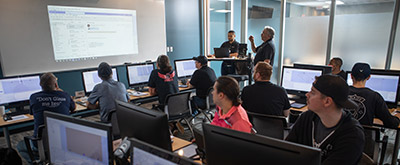
With a customized Stiles University course, we can provide expert training for your team, on-location. Whether it's programming, operation or maintenance, we want to help you train your personnel to meet your production goals efficiently and effectively.
-

Experience the trusted workforce development training and machinery knowledge you rely on from Stiles University, now at your convenience. With technology changing every day and new methods being developed constantly, Stiles University Online has the latest information and training content available at your fingertips.
-
-
-

Do you want to produce more efficiently? Processes and flows are key. We optimize these together with you, re-organize them and make sure that you reduce your lead time and save costs. This enables you to implement customized manufacturing and achieve your business goals.
-
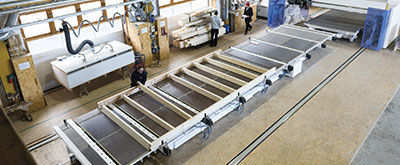
Industrialized construction is evolving. Automation, robotics and advanced technology are raising the level of productivity, efficiency and precision for builders in North America.
-

Stiles Machinery is at the forefront of providing technology and machining for producing high quality mass timber. Automated solutions for your mass timber production can increase your manufacturing quality and productivity.
-

Project management services from Stiles make it easy to streamline your entire project— from concept and consultation to integration and implementation.
-


-
-
-
-
-
-
With a customized Stiles University course, we can provide expert training for your team, on-location. Whether it's programming, operation or maintenance, we want to help you train your personnel to meet your production goals efficiently and effectively.
-
Experience the trusted workforce development training and machinery knowledge you rely on from Stiles University, now at your convenience. With technology changing every day and new methods being developed constantly, Stiles University Online has the latest information and training content available at your fingertips.
-
-
-
Do you want to produce more efficiently? Processes and flows are key. We optimize these together with you, re-organize them and make sure that you reduce your lead time and save costs. This enables you to implement customized manufacturing and achieve your business goals.
-
Industrialized construction is evolving. Automation, robotics and advanced technology are raising the level of productivity, efficiency and precision for builders in North America.
-
Stiles Machinery is at the forefront of providing technology and machining for producing high quality mass timber. Automated solutions for your mass timber production can increase your manufacturing quality and productivity.
-
Project management services from Stiles make it easy to streamline your entire project— from concept and consultation to integration and implementation.
-
Top Quality Truck Radiators for Efficient Cooling Solutions?
In today's transportation industry, the efficiency of heavy-duty vehicles depends significantly on the performance of their cooling systems. Truck radiators play a crucial role in maintaining optimal engine temperatures. A well-functioning radiator ensures that trucks operate smoothly, reducing the risk of engine overheating.
High-quality truck radiators are essential for reliable performance. They are designed to withstand extreme conditions and manage high heat levels. Choosing the right radiator can be challenging. There are various models and materials, each with unique benefits. Understanding these differences is key to making an informed choice.
However, not all truck radiators are created equal. Issues may arise from poor manufacturing standards or mismatched specifications. It’s important to select radiators that meet both industry standards and personal needs. Investing time in research can lead to better performance and longevity. A reliable truck radiator makes a significant difference in daily operations, ultimately affecting productivity.
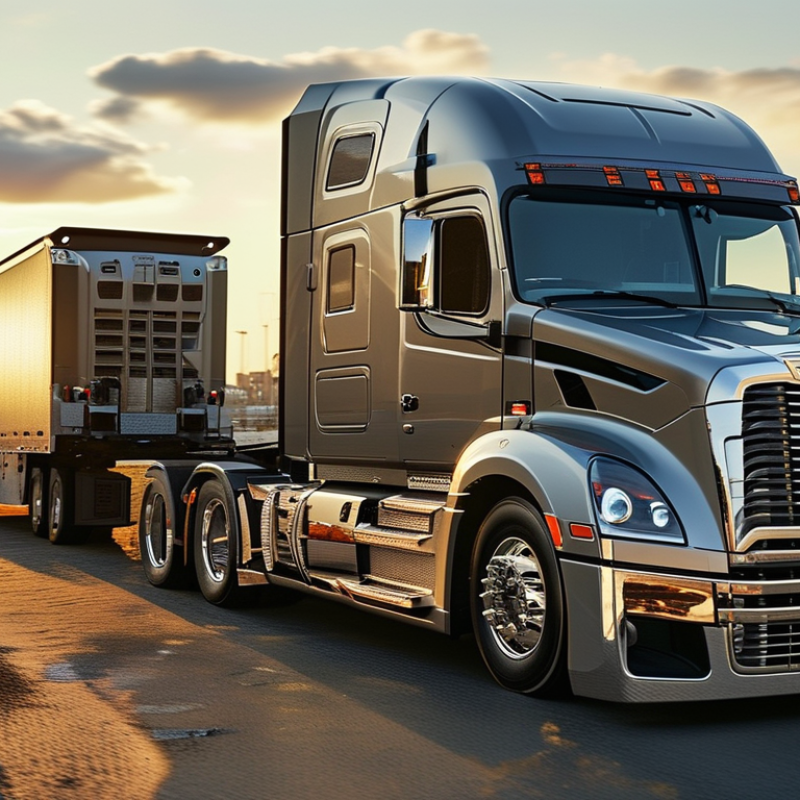
Overview of Truck Radiators and Their Importance in Vehicles
Truck radiators play a critical role in vehicle performance. They maintain optimal engine temperature by dissipating heat generated during operation. If a radiator fails, it can lead to engine overheating, which may cause severe damage. Recognizing the importance of a functioning radiator is crucial for truck owners and operators.
Proper maintenance is often overlooked. Many people wait until a problem arises before checking their radiators. Regular inspections can prevent costly repairs. Look for signs of leakage or corrosion. A clean and efficient radiator improves cooling performance. It is vital to ensure that coolant flows freely and the system is free of clogs.
Not all truck radiators are created equal. Quality matters significantly when it comes to choosing a radiator. Inferior products can lead to ongoing issues and inefficient cooling. Understanding your truck's specifications is necessary to make informed decisions. Investing in a reliable radiator can save money in the long run. It ensures your vehicle runs smoothly and efficiently.