
-
-
-
-
-
-

With a customized Stiles University course, we can provide expert training for your team, on-location. Whether it's programming, operation or maintenance, we want to help you train your personnel to meet your production goals efficiently and effectively.
-

Experience the trusted workforce development training and machinery knowledge you rely on from Stiles University, now at your convenience. With technology changing every day and new methods being developed constantly, Stiles University Online has the latest information and training content available at your fingertips.
-
-
-

Do you want to produce more efficiently? Processes and flows are key. We optimize these together with you, re-organize them and make sure that you reduce your lead time and save costs. This enables you to implement customized manufacturing and achieve your business goals.
-

Industrialized construction is evolving. Automation, robotics and advanced technology are raising the level of productivity, efficiency and precision for builders in North America.
-

Stiles Machinery is at the forefront of providing technology and machining for producing high quality mass timber. Automated solutions for your mass timber production can increase your manufacturing quality and productivity.
-

Project management services from Stiles make it easy to streamline your entire project— from concept and consultation to integration and implementation.
-



-
-
-
-
-
-
With a customized Stiles University course, we can provide expert training for your team, on-location. Whether it's programming, operation or maintenance, we want to help you train your personnel to meet your production goals efficiently and effectively.
-
Experience the trusted workforce development training and machinery knowledge you rely on from Stiles University, now at your convenience. With technology changing every day and new methods being developed constantly, Stiles University Online has the latest information and training content available at your fingertips.
-
-
-
Do you want to produce more efficiently? Processes and flows are key. We optimize these together with you, re-organize them and make sure that you reduce your lead time and save costs. This enables you to implement customized manufacturing and achieve your business goals.
-
Industrialized construction is evolving. Automation, robotics and advanced technology are raising the level of productivity, efficiency and precision for builders in North America.
-
Stiles Machinery is at the forefront of providing technology and machining for producing high quality mass timber. Automated solutions for your mass timber production can increase your manufacturing quality and productivity.
-
Project management services from Stiles make it easy to streamline your entire project— from concept and consultation to integration and implementation.
-
How to Optimize C and C Machine Operations for Maximum Efficiency?
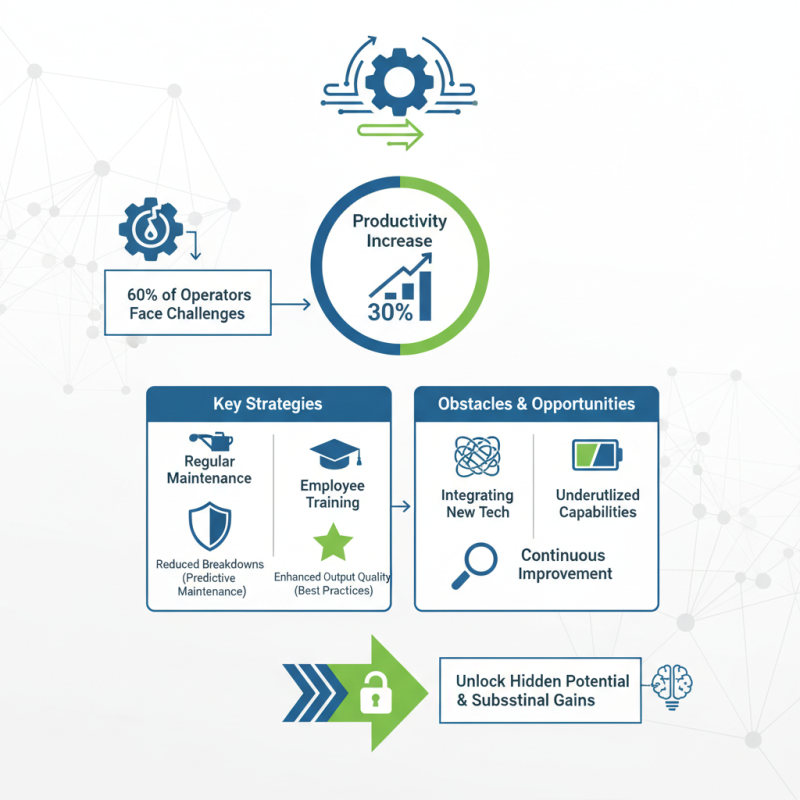
The optimization of C and C machine operations is crucial in today's competitive landscape. Reports show that efficient machine operations can increase productivity by up to 30%. However, many facilities still experience downtime and inefficiencies. According to industry studies, 60% of C and C machine operators face challenges in achieving optimal performance.
To maximize efficiency, companies must focus on regular maintenance and employee training. For example, implementing a predictive maintenance strategy can reduce unexpected breakdowns. Employees trained in best practices can operate machines more effectively, which enhances output quality. Despite these advantages, many organizations overlook the importance of continuous improvement.
Addressing these inefficiencies is vital. Some companies struggle to integrate new technologies. Others may not fully utilize their C and C machines' capabilities. Each setback represents an opportunity for growth and reflection. By reevaluating their processes, businesses can unlock hidden potential and drive substantial gains in efficiency.
Understanding the Basics of C and C Machine Operations
C and C machines play a critical role in various industries, driving efficiency and productivity. Understanding their basic operations is essential for optimal results. C machines are designed for precise tasks, while C machines focus on versatility. Knowing how each machine operates helps users maximize their capabilities.
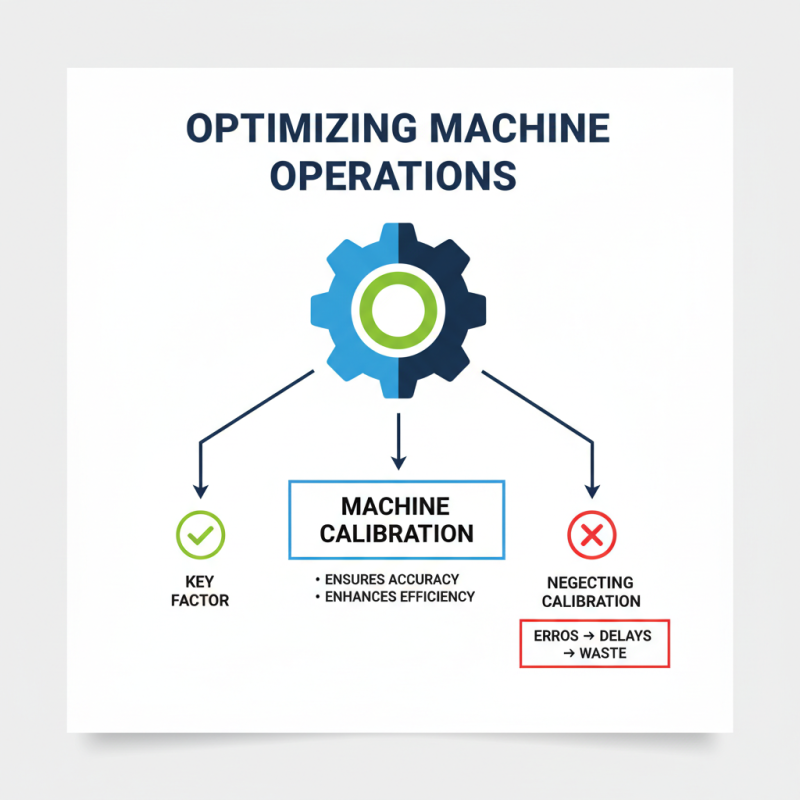
Basic operations begin with machine setup. Proper calibration can greatly influence performance. Misalignment can lead to inaccuracies, wasting time and materials. Operators need to routinely check settings to maintain consistency. It's easy to overlook these details, but they are vital for efficiency. Experimenting with different settings may also yield surprising results, though it takes patience.
Monitoring machine performance is just as crucial. Users often get caught up in speed, neglecting other important factors. Noise levels and vibration can indicate underlying issues. Addressing these concerns promptly can prevent costly downtimes. Additionally, ongoing training for operators can foster a deeper understanding of efficient practices. Errors will happen, but they provide valuable learning opportunities. Embracing this mindset can lead to continuous improvement in operations.
Related Posts
-
10 Essential Tips for Maximizing Efficiency with Your CNC Mill
-
Exploring the Future of Manufacturing: How CNC Machines are Revolutionizing Production Techniques
-
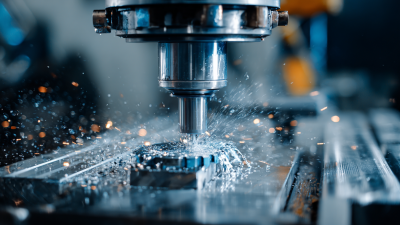
The Future of Manufacturing How CNC Machining Parts Revolutionize Production Processes
-
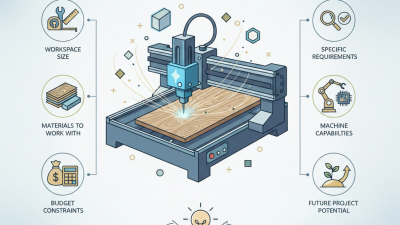
10 Essential Tips for Choosing the Right CNC Router for Your Projects
-
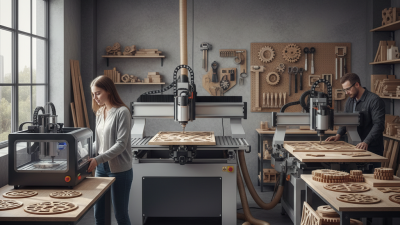
Best CNC Router Machine for Beginners and Professionals in 2023
-

Why You Should Consider a CNC Router for Your Next Project