
-
-
-
-
-
-

With a customized Stiles University course, we can provide expert training for your team, on-location. Whether it's programming, operation or maintenance, we want to help you train your personnel to meet your production goals efficiently and effectively.
-

Experience the trusted workforce development training and machinery knowledge you rely on from Stiles University, now at your convenience. With technology changing every day and new methods being developed constantly, Stiles University Online has the latest information and training content available at your fingertips.
-
-
-

Do you want to produce more efficiently? Processes and flows are key. We optimize these together with you, re-organize them and make sure that you reduce your lead time and save costs. This enables you to implement customized manufacturing and achieve your business goals.
-

Industrialized construction is evolving. Automation, robotics and advanced technology are raising the level of productivity, efficiency and precision for builders in North America.
-

Stiles Machinery is at the forefront of providing technology and machining for producing high quality mass timber. Automated solutions for your mass timber production can increase your manufacturing quality and productivity.
-

Project management services from Stiles make it easy to streamline your entire project— from concept and consultation to integration and implementation.
-



-
-
-
-
-
-
With a customized Stiles University course, we can provide expert training for your team, on-location. Whether it's programming, operation or maintenance, we want to help you train your personnel to meet your production goals efficiently and effectively.
-
Experience the trusted workforce development training and machinery knowledge you rely on from Stiles University, now at your convenience. With technology changing every day and new methods being developed constantly, Stiles University Online has the latest information and training content available at your fingertips.
-
-
-
Do you want to produce more efficiently? Processes and flows are key. We optimize these together with you, re-organize them and make sure that you reduce your lead time and save costs. This enables you to implement customized manufacturing and achieve your business goals.
-
Industrialized construction is evolving. Automation, robotics and advanced technology are raising the level of productivity, efficiency and precision for builders in North America.
-
Stiles Machinery is at the forefront of providing technology and machining for producing high quality mass timber. Automated solutions for your mass timber production can increase your manufacturing quality and productivity.
-
Project management services from Stiles make it easy to streamline your entire project— from concept and consultation to integration and implementation.
-
Top Uses of Mild Steel Coils in Global Trade Today?
In the current global trade landscape, the demand for mild steel coils is on the rise. Dr. Emily Thornton, a leading expert in metallurgy, emphasizes their importance: “Mild steel coils are indispensable in various sectors due to their flexibility and strength.” These versatile products serve multiple industries, including automotive, construction, and manufacturing.
Mild steel coils are processed into sheets, which can be easily shaped into essential components. For instance, in automotive manufacturing, they are used in producing car bodies and frames. Additionally, their lightweight nature contributes to fuel efficiency. However, the dependence on mild steel coils also brings challenges. Production quality must be consistently monitored to avoid defects that may lead to structural failures.
The global market is witnessing fluctuating demand for mild steel coils. Trade policy and supply chain disruptions impact availability. Companies must navigate these complexities while striving for quality and reliability. As industries evolve, the adaptability of mild steel coils remains crucial. Reflecting on this evolution prompts us to consider the long-term sustainability of our practices in a competitive market.
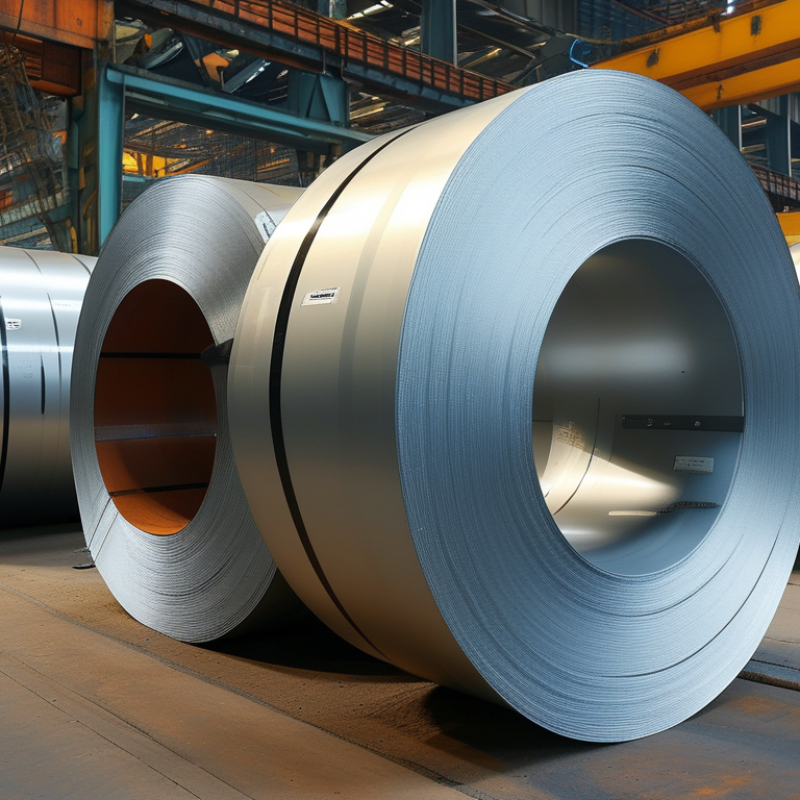
Key Characteristics of Mild Steel Coils and Their Advantages in Trade
Mild steel coils have become essential in global trade, largely due to their unique characteristics. They possess excellent ductility, making them easy to form and shape. This property is crucial as industries seek materials that can adapt to various applications without compromising strength. Additionally, mild steel coils are cost-effective. Their affordability allows companies to manage their budgets effectively while still meeting production demands.
One notable advantage of mild steel coils is their weldability. These coils can be easily welded, which is invaluable in construction and manufacturing. Projects often require quick assembly. Mild steel coils meet this need, allowing for faster completion timelines. However, some users might overlook the importance of proper protection against corrosion, as untreated mild steel can suffer deterioration. Regular maintenance can mitigate this issue and enhance the material's longevity.
Moreover, the availability of these coils in different thicknesses adds to their appeal. This variety enables suppliers to cater to diverse customer preferences. However, ensuring the right thickness for a specific project is critical. Failure to choose appropriately can lead to structural weaknesses. As industries continue to evolve, understanding the characteristics of mild steel coils remains vital for making informed purchasing decisions.