
-
-
-
-
-
-

With a customized Stiles University course, we can provide expert training for your team, on-location. Whether it's programming, operation or maintenance, we want to help you train your personnel to meet your production goals efficiently and effectively.
-

Experience the trusted workforce development training and machinery knowledge you rely on from Stiles University, now at your convenience. With technology changing every day and new methods being developed constantly, Stiles University Online has the latest information and training content available at your fingertips.
-
-
-

Do you want to produce more efficiently? Processes and flows are key. We optimize these together with you, re-organize them and make sure that you reduce your lead time and save costs. This enables you to implement customized manufacturing and achieve your business goals.
-

Industrialized construction is evolving. Automation, robotics and advanced technology are raising the level of productivity, efficiency and precision for builders in North America.
-

Stiles Machinery is at the forefront of providing technology and machining for producing high quality mass timber. Automated solutions for your mass timber production can increase your manufacturing quality and productivity.
-

Project management services from Stiles make it easy to streamline your entire project— from concept and consultation to integration and implementation.
-



-
-
-
-
-
-
With a customized Stiles University course, we can provide expert training for your team, on-location. Whether it's programming, operation or maintenance, we want to help you train your personnel to meet your production goals efficiently and effectively.
-
Experience the trusted workforce development training and machinery knowledge you rely on from Stiles University, now at your convenience. With technology changing every day and new methods being developed constantly, Stiles University Online has the latest information and training content available at your fingertips.
-
-
-
Do you want to produce more efficiently? Processes and flows are key. We optimize these together with you, re-organize them and make sure that you reduce your lead time and save costs. This enables you to implement customized manufacturing and achieve your business goals.
-
Industrialized construction is evolving. Automation, robotics and advanced technology are raising the level of productivity, efficiency and precision for builders in North America.
-
Stiles Machinery is at the forefront of providing technology and machining for producing high quality mass timber. Automated solutions for your mass timber production can increase your manufacturing quality and productivity.
-
Project management services from Stiles make it easy to streamline your entire project— from concept and consultation to integration and implementation.
-
10 Essential Tips for Maximizing Efficiency with Your CNC Mill
In the ever-evolving landscape of manufacturing, maximizing efficiency with your CNC mill is more critical than ever. According to a recent report by Technavio, the global CNC machining market is projected to grow at a compound annual growth rate (CAGR) of over 7% from 2021 to 2025. This growth underscores the increasing reliance on advanced manufacturing techniques, particularly CNC milling, which allows for precision and repeatability that manual machining simply cannot match. As businesses strive to remain competitive, mastering optimization strategies related to CNC mills can significantly impact productivity and profitability.
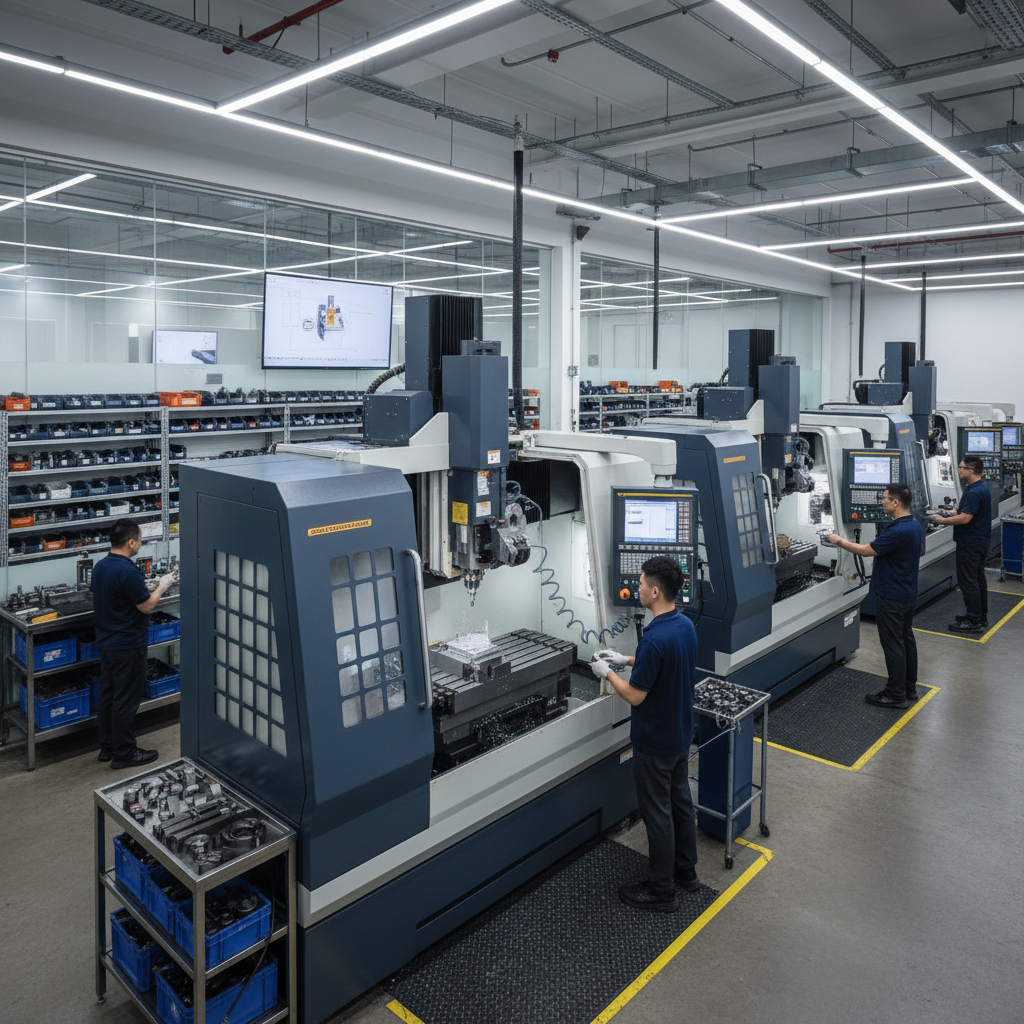
Efficiency in CNC milling can lead to reduced lead times, lower operational costs, and improved product quality. A study by the National Institute of Standards and Technology (NIST) highlights that companies employing optimized machining processes can achieve productivity gains of up to 30%. This staggering statistic emphasizes the importance of adopting best practices in CNC milling. By focusing on techniques such as tool path optimization, appropriate feed rates, and regular maintenance, manufacturers can harness the full potential of their CNC mills, ensuring sustainable growth and improved outcomes in the fast-paced manufacturing sector.
Mastering Tool Selection for Optimal CNC Milling Performance
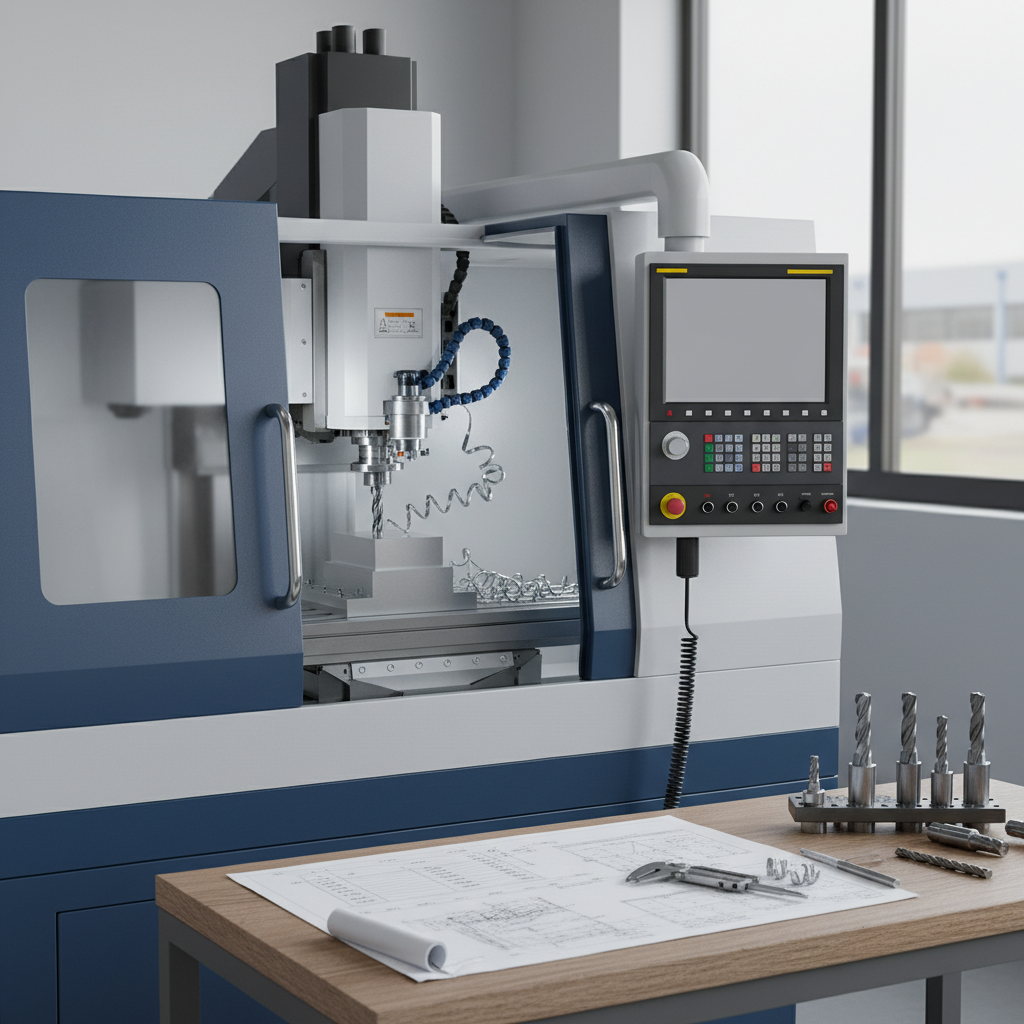
When it comes to optimizing CNC milling performance, mastering tool selection is crucial. The right tools not only improve the quality of the finished product but also enhance overall machining efficiency. One of the fundamental aspects of tool selection is understanding the importance of tool balancing. Properly balanced tools minimize vibrations during the machining process, which can lead to increased tool life and improved surface finish. This fundamental element ensures that the cutting edge remains stable, reducing wear and tear while delivering consistent results.
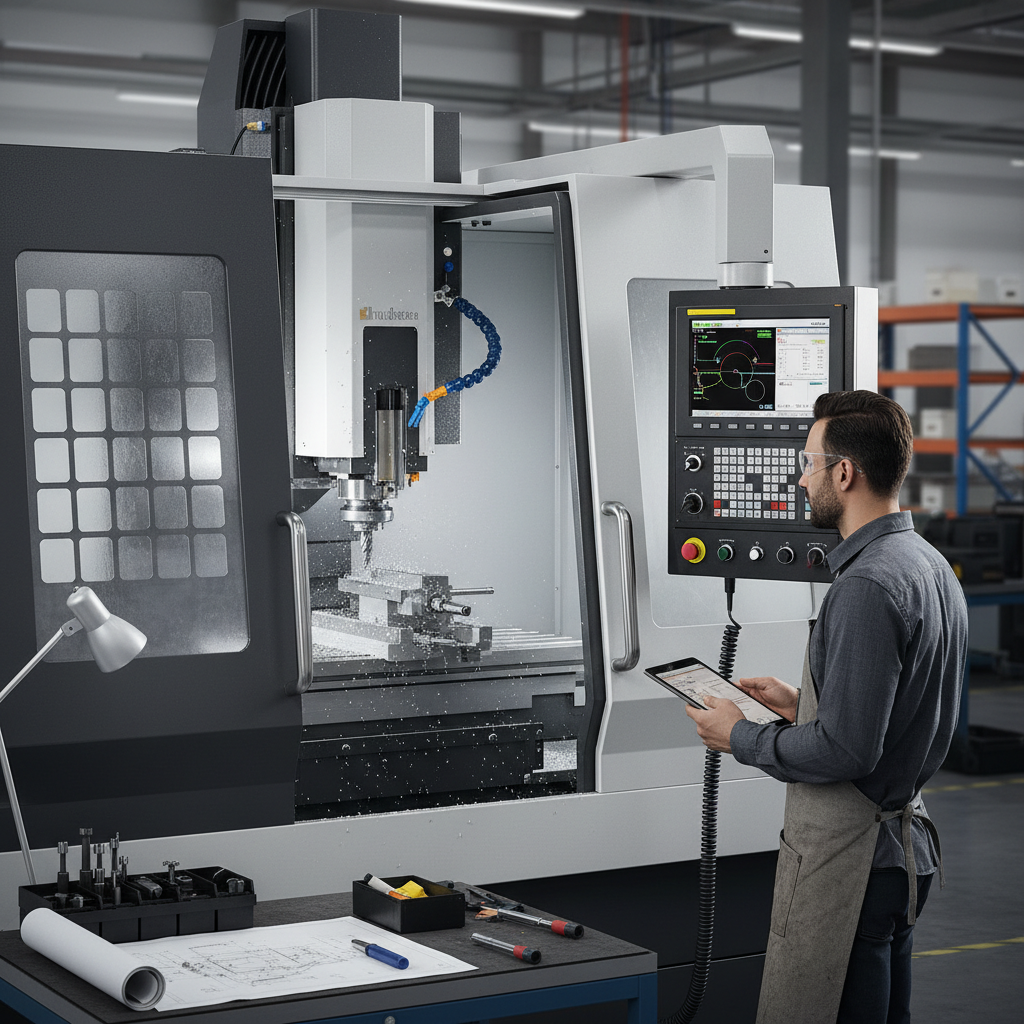
In addition to selecting the right tools, maintaining proper tool balancing directly affects the machining process. Unbalanced tools can cause excessive vibration, resulting in inaccurate cuts and even damage to the CNC mill. By focusing on precise tool balancing, machinists can significantly enhance the performance of their CNC mills, yielding better results, reducing downtime, and ultimately improving productivity. Investing time and resources in mastering tool selection and balancing will pay off in the long run, as it lays the foundation for a more efficient and effective machining operation.
Related Posts
-
Exploring the Future of Manufacturing: How CNC Machines are Revolutionizing Production Techniques
-
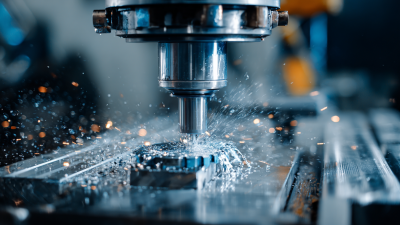
The Future of Manufacturing How CNC Machining Parts Revolutionize Production Processes
-
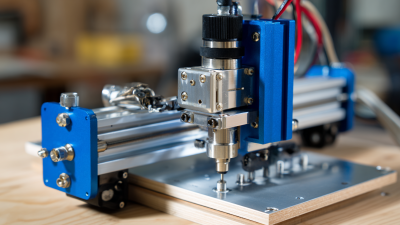
Unlocking Precision: How Small CNC Machines Revolutionize DIY Projects and Prototyping
-

Unlocking Creativity: How CNC Wood Cutting Machines Transform Custom Furniture Design
-
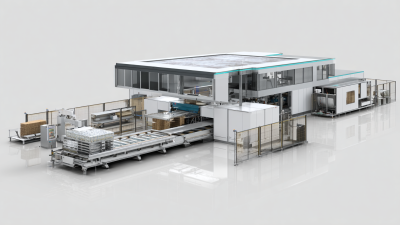
Revolutionizing Furniture Manufacturing: How Edge Banding Machines Enhance Production Efficiency
-
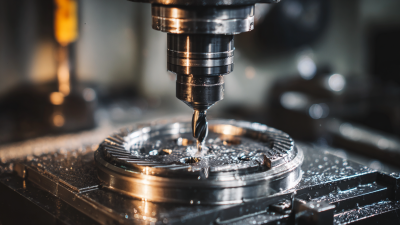
2025 Guide: How to Choose the Best CNC Machining Parts for Your Projects