
-
-
-
-
-
-

With a customized Stiles University course, we can provide expert training for your team, on-location. Whether it's programming, operation or maintenance, we want to help you train your personnel to meet your production goals efficiently and effectively.
-

Experience the trusted workforce development training and machinery knowledge you rely on from Stiles University, now at your convenience. With technology changing every day and new methods being developed constantly, Stiles University Online has the latest information and training content available at your fingertips.
-
-
-

Do you want to produce more efficiently? Processes and flows are key. We optimize these together with you, re-organize them and make sure that you reduce your lead time and save costs. This enables you to implement customized manufacturing and achieve your business goals.
-

Industrialized construction is evolving. Automation, robotics and advanced technology are raising the level of productivity, efficiency and precision for builders in North America.
-

Stiles Machinery is at the forefront of providing technology and machining for producing high quality mass timber. Automated solutions for your mass timber production can increase your manufacturing quality and productivity.
-

Project management services from Stiles make it easy to streamline your entire project— from concept and consultation to integration and implementation.
-



-
-
-
-
-
-
With a customized Stiles University course, we can provide expert training for your team, on-location. Whether it's programming, operation or maintenance, we want to help you train your personnel to meet your production goals efficiently and effectively.
-
Experience the trusted workforce development training and machinery knowledge you rely on from Stiles University, now at your convenience. With technology changing every day and new methods being developed constantly, Stiles University Online has the latest information and training content available at your fingertips.
-
-
-
Do you want to produce more efficiently? Processes and flows are key. We optimize these together with you, re-organize them and make sure that you reduce your lead time and save costs. This enables you to implement customized manufacturing and achieve your business goals.
-
Industrialized construction is evolving. Automation, robotics and advanced technology are raising the level of productivity, efficiency and precision for builders in North America.
-
Stiles Machinery is at the forefront of providing technology and machining for producing high quality mass timber. Automated solutions for your mass timber production can increase your manufacturing quality and productivity.
-
Project management services from Stiles make it easy to streamline your entire project— from concept and consultation to integration and implementation.
-
Top Features of Laminated Glass You Need to Know?
Laminated glass has become a cornerstone in modern architecture and design. Known for its exceptional safety and aesthetic appeal, this innovative material has drawn the attention of experts in the field. According to Dr. Emily Hart, a noted authority in glass engineering, "Laminated glass transforms spaces by enhancing safety without sacrificing style."
Its unique construction layers polyvinyl butyral (PVB) between sheets of glass. This structure not only strengthens the glass but also provides sound insulation. The benefits of laminated glass extend beyond safety; it offers UV protection, makes cleaning easier, and contributes to energy efficiency. These features make it a versatile choice for both residential and commercial applications.
However, selecting the right type of laminated glass can be overwhelming due to the variety of options available. Factors such as thickness, color, and coating can affect performance and aesthetics. It’s essential to consider specific needs when choosing laminated glass. While the benefits are clear, a thoughtful approach is necessary to ensure the best outcome for any project.
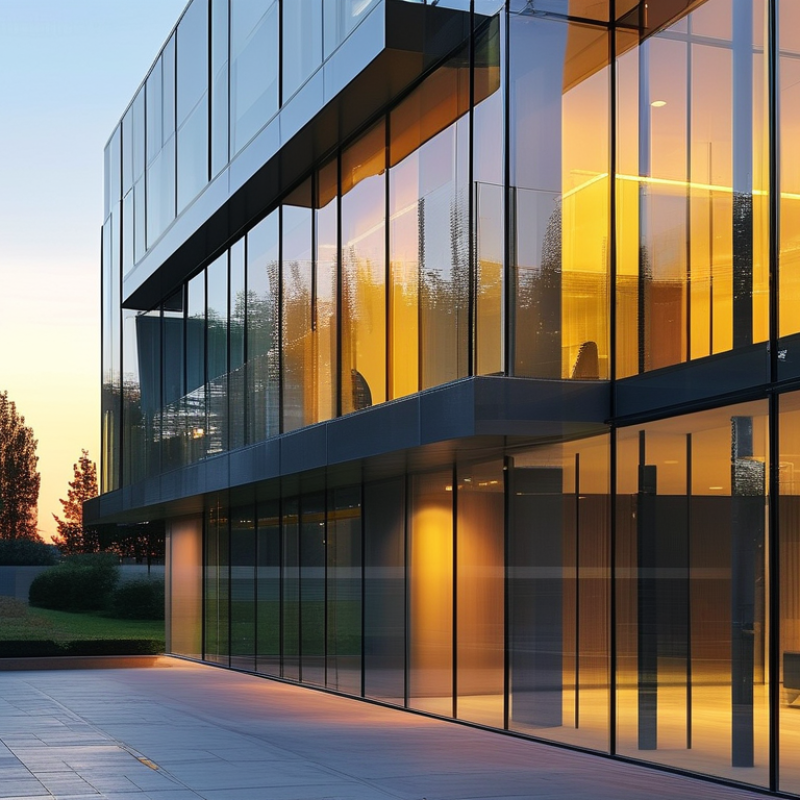
Key Characteristics of Laminated Glass
Laminated glass is an innovative material that combines multiple layers of glass and plastic interlayers. This design creates a strong and safe product that has unique characteristics. One of its key features is its ability to absorb sound. This can improve acoustic insulation in buildings, making spaces more comfortable. In busy urban areas, laminated glass can significantly reduce noise pollution.
Another important characteristic is the safety it provides. In case of breaking, the glass fragments stay adhered to the interlayer, minimizing injuries. This can be especially crucial in areas with high foot traffic or in residential homes. The glass also offers protection against UV rays, which can help prevent fading of interior furnishings.
When considering laminated glass, think about your specific needs. It may not be the best choice for every application. Evaluate the environmental conditions and intended use. Keep in mind that while it's durable, it can be more expensive than regular glass. Not all laminated glass products are equal. Research specifications and seek professional advice to ensure the best fit for your project.
Top Features of Laminated Glass You Need to Know? - Key Characteristics of Laminated Glass
| Feature | Description |
|---|---|
| Safety | Laminated glass holds together when shattered, reducing the risk of injury from sharp shards. |
| Sound Insulation | Provides excellent sound insulation properties, minimizing noise pollution from outside. |
| UV Protection | Blocks harmful UV rays, reducing skin damage and fading of furniture and fabrics indoors. |
| Security | Difficult to break through, offering enhanced security against intrusions. |
| Energy Efficiency | Can improve energy efficiency by reducing heat transfer, contributing to lower energy costs. |
| Aesthetic Appeal | Available in various finishes and colors, enhancing the architectural aesthetics of buildings. |