

For support and service of your machinery, Stiles has experts available 24/7 to help reduce downtime and get you back in action.
Technical Support: 616-698-6615
Service & Repairs: 616-698-7500
24/7 Parts: 1-800-727-8780
sale@inlandmachineokc.com
Parts are available from Stiles 24 hours a day, seven days a week, and are shipped from our Grand Rapids, Michigan fulfillment center.
24/7 Parts: 800-727-8780

With a customized Stiles University course, we can provide expert training for your team, on-location. Whether it's programming, operation or maintenance, we want to help you train your personnel to meet your production goals efficiently and effectively.

Experience the trusted workforce development training and machinery knowledge you rely on from Stiles University, now at your convenience. With technology changing every day and new methods being developed constantly, Stiles University Online has the latest information and training content available at your fingertips.
616-698-7500

Do you want to produce more efficiently? Processes and flows are key. We optimize these together with you, re-organize them and make sure that you reduce your lead time and save costs. This enables you to implement customized manufacturing and achieve your business goals.

Industrialized construction is evolving. Automation, robotics and advanced technology are raising the level of productivity, efficiency and precision for builders in North America.

Stiles Machinery is at the forefront of providing technology and machining for producing high quality mass timber. Automated solutions for your mass timber production can increase your manufacturing quality and productivity.

Project management services from Stiles make it easy to streamline your entire project— from concept and consultation to integration and implementation.
For support and service of your machinery, Stiles has experts available 24/7 to help reduce downtime and get you back in action.
Technical Support: 616-698-6615
Service & Repairs: 616-698-7500
24/7 Parts: 1-800-727-8780
sale@inlandmachineokc.com
Parts are available from Stiles 24 hours a day, seven days a week, and are shipped from our Grand Rapids, Michigan fulfillment center.
24/7 Parts: 800-727-8780

With a customized Stiles University course, we can provide expert training for your team, on-location. Whether it's programming, operation or maintenance, we want to help you train your personnel to meet your production goals efficiently and effectively.

Experience the trusted workforce development training and machinery knowledge you rely on from Stiles University, now at your convenience. With technology changing every day and new methods being developed constantly, Stiles University Online has the latest information and training content available at your fingertips.
616-698-7500

Do you want to produce more efficiently? Processes and flows are key. We optimize these together with you, re-organize them and make sure that you reduce your lead time and save costs. This enables you to implement customized manufacturing and achieve your business goals.

Industrialized construction is evolving. Automation, robotics and advanced technology are raising the level of productivity, efficiency and precision for builders in North America.

Stiles Machinery is at the forefront of providing technology and machining for producing high quality mass timber. Automated solutions for your mass timber production can increase your manufacturing quality and productivity.

Project management services from Stiles make it easy to streamline your entire project— from concept and consultation to integration and implementation.
For support and service of your machinery, Stiles has experts available 24/7 to help reduce downtime and get you back in action.
Technical Support: 616-698-6615 Service & Repairs: 616-698-7500 24/7 Parts: 1-800-727-8780
Parts are available from Stiles 24 hours a day, seven days a week, and are shipped from our Grand Rapids, Michigan fulfillment center.
24/7 Parts: 800-727-8780For support and service of your machinery, Stiles has experts available 24/7 to help reduce downtime and get you back in action.
Technical Support: 616-698-6615 Service & Repairs: 616-698-7500 24/7 Parts: 1-800-727-8780
Parts are available from Stiles 24 hours a day, seven days a week, and are shipped from our Grand Rapids, Michigan fulfillment center.
24/7 Parts: 800-727-8780A Jig Saw is an essential tool for various woodworking projects. Its versatility sets it apart from other saw types. According to a recent industry report by IBISWorld, the power tool market is expected to reach $3 billion by 2025, with the Jig Saw segment showing significant growth. This growth indicates a rising demand among DIY enthusiasts and professionals.
Choosing the best Jig Saw can be overwhelming. Many models are available, each with distinct features and capabilities. It’s crucial to consider factors such as blade types, speed settings, and ease of use. The right Jig Saw can enhance precision and efficiency in cutting. However, it’s important to remember that not all models are created equal. Some may lack the durability needed for heavy tasks.
Investing in a high-quality Jig Saw is an investment in your craftsmanship. Understanding your specific needs is vital when selecting a model. While the options are vast, some might fall short in performance. Balancing quality and cost requires careful consideration and research. As you explore, reflect on what truly meets your project needs.
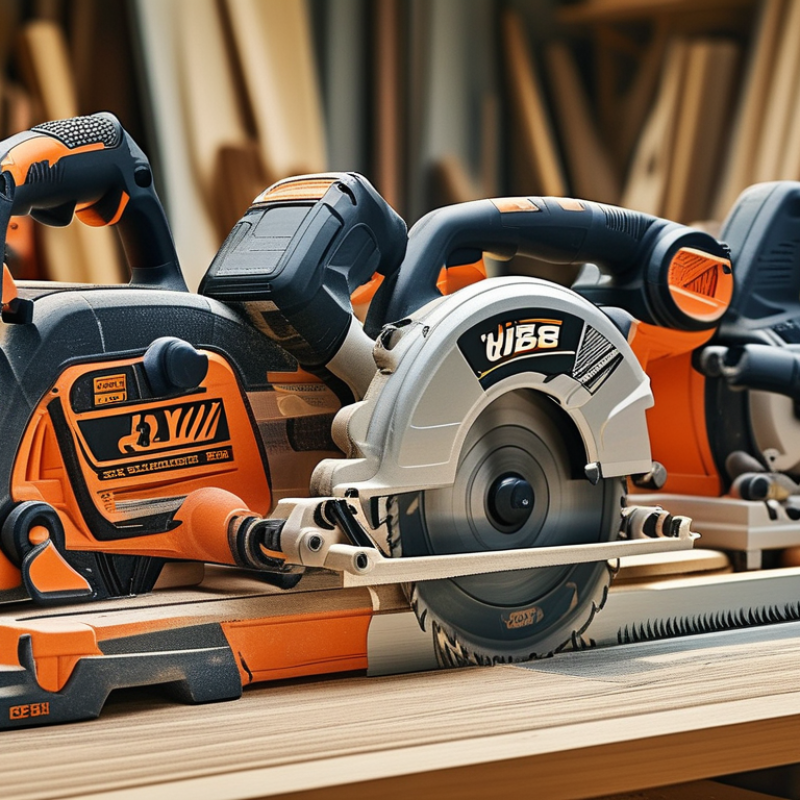
A jigsaw is a versatile power tool commonly used in woodworking and construction. Understanding its key components can help users select the right model for their needs. A jigsaw typically consists of a motor, a blade, and a shoe. The motor generates the power, while the blade cuts through various materials like wood, metal, and plastic. The shoe stabilizes the tool during operation, ensuring accurate cuts.
Experts emphasize the importance of blade choices in jigsaws. There are different blade types designed for specific materials. For example, wood-cutting blades have fewer teeth per inch, which allows for faster cuts. In contrast, metal-cutting blades have more teeth for precision. According to the American Woodworking Association, using the correct blade can improve cutting efficiency by up to 30%.
When selecting a jigsaw, consider features like variable speed settings and orbital action. Variable speeds allow users to adjust the cutting power, which can enhance control. Orbital action helps create smoother cuts but can also lead to rough edges if not managed properly. It’s essential to balance the tool's capabilities with what you need. Some users find that more features can complicate operation, leading to mistakes.
When choosing a jigsaw, understanding blade types is essential. Jigsaw blades come in two main styles: U-shank and T-shank. Each type has distinct characteristics that affect their performance. U-shank blades have a simple design that fits into a basic jigsaw. They tend to be less secure and can sometimes slip out during cutting, which can be frustrating.
On the other hand, T-shank blades provide a more secure fit. They lock into the jigsaw, reducing the chance of slipping. This design allows for better control and precision when cutting various materials. T-shank blades are generally preferred by professionals due to their stability. However, they may require a compatible jigsaw. Remember, not all projects demand precision. Sometimes, a U-shank blade might suffice for less detailed work.
When selecting blades, consider your projects. If you often cut intricate patterns or work with tough materials, invest in T-shank blades. For occasional home repairs or simple cuts, U-shank blades may work fine. Ultimately, it’s about knowing your needs and asking questions about what suits your projects best. Exploring both types can lead to surprising realizations about your cutting preferences.
When choosing a jigsaw, several essential features should guide your decision. One key aspect is the power of the motor, typically measured in amps. A more powerful motor can cut through denser materials with ease. Consider what materials you plan to work with. Thicker wood or metal requires a jigsaw with higher amperage. Pay attention to the stroke length as well; longer strokes can provide faster cuts.
Blade selection is another crucial factor. Different blades are designed for various materials. Using the right blade enhances both efficiency and accuracy. Variable speed settings allow for greater control, especially for intricate cuts. Look for a model that offers adjustable speeds to match the task at hand.
Lastly, consider the weight and design of the jigsaw. A lightweight tool can reduce fatigue during prolonged use. Ergonomic designs improve comfort and handling. You might find that the most expensive jigsaw isn’t the best fit for your needs. Reflect on your preferences and project requirements to make an informed choice.
| Feature | Description | Importance |
|---|---|---|
| Power | Measured in amps, higher power allows for cutting through tougher materials. | High |
| Stroke Length | The distance the blade moves up and down; longer strokes improve cutting efficiency. | Medium |
| Speed Settings | Variable speed settings to adapt to different materials and cutting techniques. | High |
| Blade Type | Compatibility with different blade types for various cuts and materials. | High |
| Dust Blower | Feature to keep the cutting line clear of debris for better visibility. | Medium |
| Laser Guide | Helps in making straight cuts by projecting a line along the cutting path. | Medium |
| Weight | Lightweight models are easier to handle for extended periods. | Low |
When choosing a jigsaw, understanding its power rating is crucial. The amperage of your jigsaw directly affects its cutting efficiency. A jigsaw with higher amperage tends to cut through tougher materials more effectively. However, too much power can create difficulties for beginners. It's important to find a balance that suits your cutting needs and skill level.
Speed factors also play a vital role in jigsaw performance. Most jigsaws offer adjustable speeds. This feature allows users to adapt to various materials. Faster speeds are better for softwoods, while slower speeds can help with harder materials. The choice of speed can drastically influence the quality of the cut.
Yet, not all users consider both power and speed equally. Some may focus solely on affordability, neglecting essential specifications. This might lead to frustration in the long run. A well-rounded approach to selecting a jigsaw will result in better project outcomes. Analyze your material requirements and your own skills before making a decision.
Using a jigsaw can be an enjoyable experience, yet safety is paramount. Wearing proper personal protective equipment is essential. Always use safety goggles to protect your eyes from flying debris. Hearing protection is also important, especially for extended use. Remember, without the right gear, you expose yourself to unnecessary risks.
Before starting your project, ensure your workspace is free from clutter. This helps prevent accidents. Keep your hands away from the blade while working. Even a momentary lapse can lead to severe injury. Always double-check your settings, blade choice, and material before cutting.
Familiarize yourself with the jigsaw's functions. Read the manual carefully. Hesitation can lead to mistakes. If you feel unsure about a cut, take a moment to reassess. Cutting slow and steady often yields better results than rushing. Reflecting on your technique helps improve your skills over time. Remember, patience is key, and safety should always come first.







