
-
-
-
-
-
-
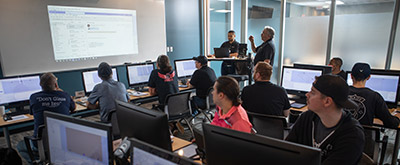
With a customized Stiles University course, we can provide expert training for your team, on-location. Whether it's programming, operation or maintenance, we want to help you train your personnel to meet your production goals efficiently and effectively.
-

Experience the trusted workforce development training and machinery knowledge you rely on from Stiles University, now at your convenience. With technology changing every day and new methods being developed constantly, Stiles University Online has the latest information and training content available at your fingertips.
-
-
-

Do you want to produce more efficiently? Processes and flows are key. We optimize these together with you, re-organize them and make sure that you reduce your lead time and save costs. This enables you to implement customized manufacturing and achieve your business goals.
-
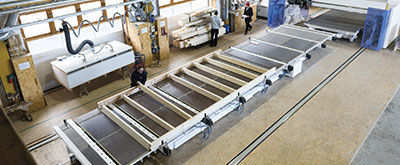
Industrialized construction is evolving. Automation, robotics and advanced technology are raising the level of productivity, efficiency and precision for builders in North America.
-
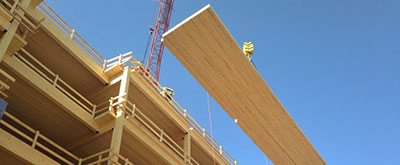
Stiles Machinery is at the forefront of providing technology and machining for producing high quality mass timber. Automated solutions for your mass timber production can increase your manufacturing quality and productivity.
-

Project management services from Stiles make it easy to streamline your entire project— from concept and consultation to integration and implementation.
-


-
-
-
-
-
-
With a customized Stiles University course, we can provide expert training for your team, on-location. Whether it's programming, operation or maintenance, we want to help you train your personnel to meet your production goals efficiently and effectively.
-
Experience the trusted workforce development training and machinery knowledge you rely on from Stiles University, now at your convenience. With technology changing every day and new methods being developed constantly, Stiles University Online has the latest information and training content available at your fingertips.
-
-
-
Do you want to produce more efficiently? Processes and flows are key. We optimize these together with you, re-organize them and make sure that you reduce your lead time and save costs. This enables you to implement customized manufacturing and achieve your business goals.
-
Industrialized construction is evolving. Automation, robotics and advanced technology are raising the level of productivity, efficiency and precision for builders in North America.
-
Stiles Machinery is at the forefront of providing technology and machining for producing high quality mass timber. Automated solutions for your mass timber production can increase your manufacturing quality and productivity.
-
Project management services from Stiles make it easy to streamline your entire project— from concept and consultation to integration and implementation.
-
What is the Importance of Safety Goggles for Protection?
Safety Goggles play a vital role in protecting eye health in various workplaces. They shield the eyes from harmful substances and potential hazards. According to the Occupational Safety and Health Administration (OSHA), about 2,000 U.S. workers experience job-related eye injuries daily. The cost of these injuries can exceed $300 million annually. Investing in safety goggles can significantly reduce these statistics.
These protective eyewear pieces are essential in industries such as construction, manufacturing, and laboratories. They are designed to guard against chemicals, flying debris, and intense light. A report by the American National Standards Institute (ANSI) states that improper eye protection accounts for a significant percentage of workplace injuries. This highlights the importance of wearing safety goggles consistently.
Despite the clear advantages, not all individuals prioritize proper eye protection. Some may find safety goggles uncomfortable or cumbersome. This often leads to neglect in their use. Employers have a responsibility to encourage proper habits. Wearing safety goggles should never be an afterthought; it is crucial for maintaining safety. Awareness and practice can lead to a reduced incidence of eye-related injuries.
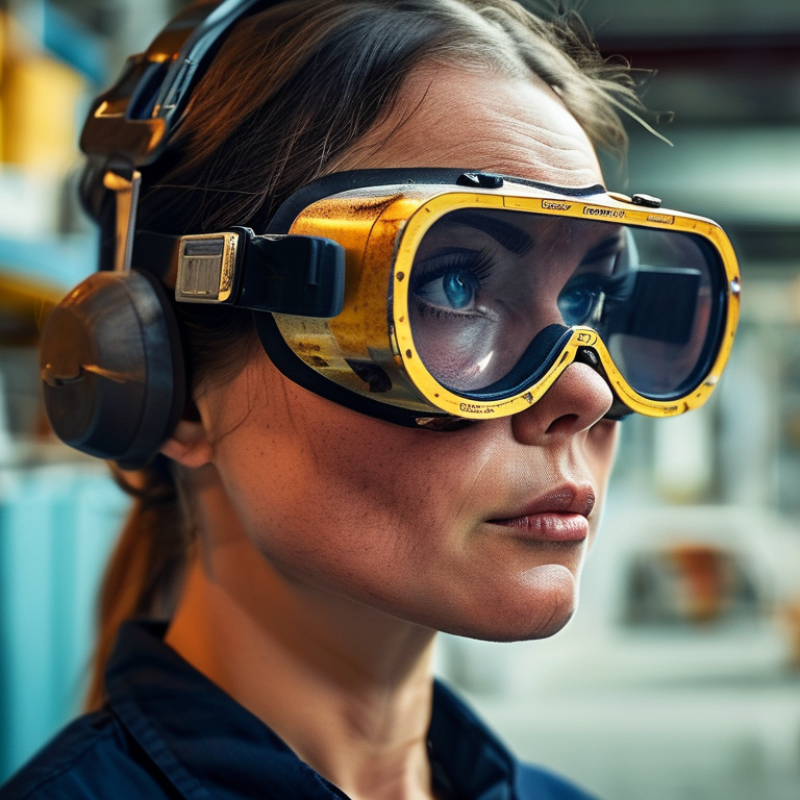
The Role of Safety Goggles in Preventing Eye Injuries in the Workplace
In many workplaces, safety goggles are crucial for protecting eyes from potential hazards. Eye injuries can occur rapidly and often lead to long-term damage. By wearing safety goggles, workers significantly reduce the risk of such injuries, ensuring their vision remains intact.
Safety goggles create a barrier against flying debris, harmful chemicals, and intense light. They are designed to fit snugly and prevent particles from entering. This simple yet effective piece of personal protective equipment can save a worker from pain and possible blindness.
**Tips:** Always choose goggles that meet safety standards. Ensure they fit properly. Regularly inspect them for any damage. If they are scratched or cracked, replace them immediately. Do not underestimate the impact of a simple tool like goggles. They are vital for eye protection in every industry.
What is the Importance of Safety Goggles for Protection? - The Role of Safety Goggles in Preventing Eye Injuries in the Workplace
| Aspect | Details |
|---|---|
| Eye Injury Statistics | Approximately 20,000 eye injuries occur in the workplace each year in the United States. |
| Types of Eye Injuries | Common injuries include abrasions, chemical burns, and penetrating injuries from foreign objects. |
| Protection Offered | Safety goggles provide full coverage, protecting against dust, chemicals, and impact. |
| Regulatory Standards | OSHA mandates the use of protective eyewear in environments with potential hazards. |
| Types of Safety Goggles | Goggles can be vented, unvented, or chemical splash goggles, each suited for specific environments. |
| Employee Training | Workers should be trained on the proper usage and maintenance of safety goggles. |
| Cost of Eye Injuries | The average cost per workplace eye injury can exceed $30,000 in medical expenses and lost productivity. |