
-
-
-
-
-
-

With a customized Stiles University course, we can provide expert training for your team, on-location. Whether it's programming, operation or maintenance, we want to help you train your personnel to meet your production goals efficiently and effectively.
-

Experience the trusted workforce development training and machinery knowledge you rely on from Stiles University, now at your convenience. With technology changing every day and new methods being developed constantly, Stiles University Online has the latest information and training content available at your fingertips.
-
-
-

Do you want to produce more efficiently? Processes and flows are key. We optimize these together with you, re-organize them and make sure that you reduce your lead time and save costs. This enables you to implement customized manufacturing and achieve your business goals.
-

Industrialized construction is evolving. Automation, robotics and advanced technology are raising the level of productivity, efficiency and precision for builders in North America.
-

Stiles Machinery is at the forefront of providing technology and machining for producing high quality mass timber. Automated solutions for your mass timber production can increase your manufacturing quality and productivity.
-

Project management services from Stiles make it easy to streamline your entire project— from concept and consultation to integration and implementation.
-



-
-
-
-
-
-
With a customized Stiles University course, we can provide expert training for your team, on-location. Whether it's programming, operation or maintenance, we want to help you train your personnel to meet your production goals efficiently and effectively.
-
Experience the trusted workforce development training and machinery knowledge you rely on from Stiles University, now at your convenience. With technology changing every day and new methods being developed constantly, Stiles University Online has the latest information and training content available at your fingertips.
-
-
-
Do you want to produce more efficiently? Processes and flows are key. We optimize these together with you, re-organize them and make sure that you reduce your lead time and save costs. This enables you to implement customized manufacturing and achieve your business goals.
-
Industrialized construction is evolving. Automation, robotics and advanced technology are raising the level of productivity, efficiency and precision for builders in North America.
-
Stiles Machinery is at the forefront of providing technology and machining for producing high quality mass timber. Automated solutions for your mass timber production can increase your manufacturing quality and productivity.
-
Project management services from Stiles make it easy to streamline your entire project— from concept and consultation to integration and implementation.
-
What is a Hybrid Inverter and How Does it Work?
In recent years, the concept of a Hybrid Inverter has gained significant traction in the solar energy industry. Renowned expert Dr. Emily Carter states, “Hybrid inverters represent the future of energy management.” Her insightful words highlight the transformative potential of these devices. A Hybrid Inverter seamlessly integrates multiple power sources, like solar panels and battery storage, to optimize energy use.
The functionality of a Hybrid Inverter enables users to harness renewable energy effectively. It provides greater flexibility, allowing homeowners to store excess energy for later use. This setup can reduce reliance on the grid and lower energy costs. However, understanding the complexities involved in installation and operation remains a challenge for many.
With the rise of green technology, it’s crucial to delve deeper into how Hybrid Inverters operate. While they present many benefits, potential users should recognize the learning curve associated with their use. Proper research and consultation can pave the way for a successful transition. Embracing these technologies can entail both excitement and cautious contemplation.
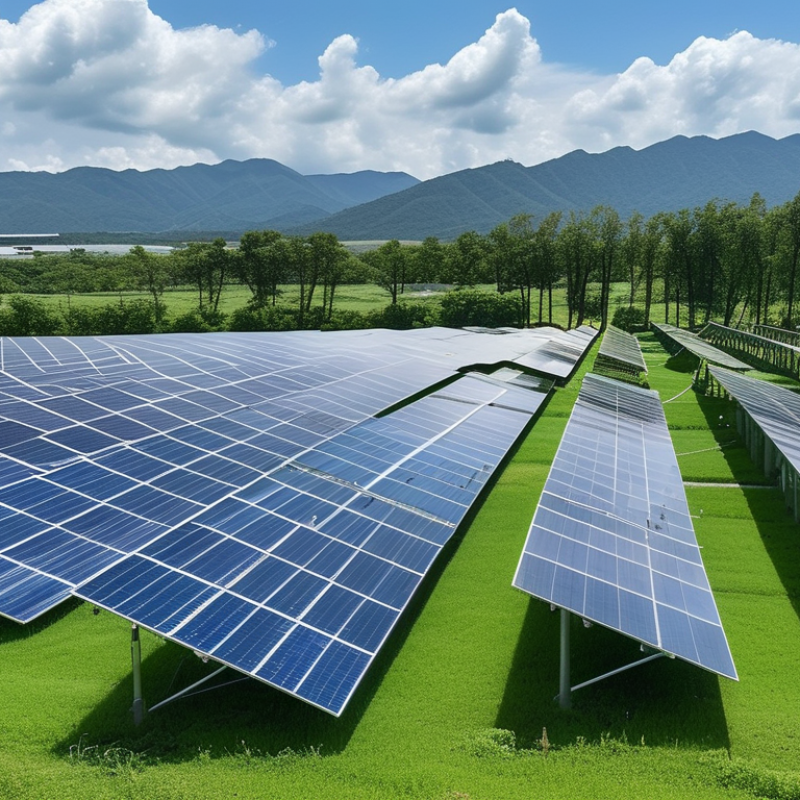
What is a Hybrid Inverter?
Hybrid inverters represent a significant advancement in solar energy technology. They combine solar panel management with battery storage. This allows users to harness energy more effectively. According to industry reports, the global hybrid inverter market is expected to reach $10 billion by 2026, growing at a CAGR of over 20%. This growth highlights the increasing adoption of renewable energy sources.
A hybrid inverter operates by converting direct current (DC) from solar panels into alternating current (AC) for household use. It also manages the charging and discharging of batteries. This dual functionality enhances energy efficiency. Interestingly, data indicates that homes equipped with hybrid inverters can reduce energy costs by up to 30%. However, installation and initial costs might be perceived as barriers for some homeowners.
Despite these advantages, hybrid inverters also present challenges. Users need to consider factors such as battery lifespan and efficiency. The integration of different components may lead to performance inconsistencies. A smart approach to understanding these systems can provide insights into their long-term benefits. Furthermore, as technology evolves, ongoing maintenance and upgrades will still be necessary to maximize performance.