
-
-
-
-
-
-

With a customized Stiles University course, we can provide expert training for your team, on-location. Whether it's programming, operation or maintenance, we want to help you train your personnel to meet your production goals efficiently and effectively.
-

Experience the trusted workforce development training and machinery knowledge you rely on from Stiles University, now at your convenience. With technology changing every day and new methods being developed constantly, Stiles University Online has the latest information and training content available at your fingertips.
-
-
-

Do you want to produce more efficiently? Processes and flows are key. We optimize these together with you, re-organize them and make sure that you reduce your lead time and save costs. This enables you to implement customized manufacturing and achieve your business goals.
-

Industrialized construction is evolving. Automation, robotics and advanced technology are raising the level of productivity, efficiency and precision for builders in North America.
-

Stiles Machinery is at the forefront of providing technology and machining for producing high quality mass timber. Automated solutions for your mass timber production can increase your manufacturing quality and productivity.
-

Project management services from Stiles make it easy to streamline your entire project— from concept and consultation to integration and implementation.
-



-
-
-
-
-
-
With a customized Stiles University course, we can provide expert training for your team, on-location. Whether it's programming, operation or maintenance, we want to help you train your personnel to meet your production goals efficiently and effectively.
-
Experience the trusted workforce development training and machinery knowledge you rely on from Stiles University, now at your convenience. With technology changing every day and new methods being developed constantly, Stiles University Online has the latest information and training content available at your fingertips.
-
-
-
Do you want to produce more efficiently? Processes and flows are key. We optimize these together with you, re-organize them and make sure that you reduce your lead time and save costs. This enables you to implement customized manufacturing and achieve your business goals.
-
Industrialized construction is evolving. Automation, robotics and advanced technology are raising the level of productivity, efficiency and precision for builders in North America.
-
Stiles Machinery is at the forefront of providing technology and machining for producing high quality mass timber. Automated solutions for your mass timber production can increase your manufacturing quality and productivity.
-
Project management services from Stiles make it easy to streamline your entire project— from concept and consultation to integration and implementation.
-
2026 How to Make Freeze Dried Gummy Bears at Home?
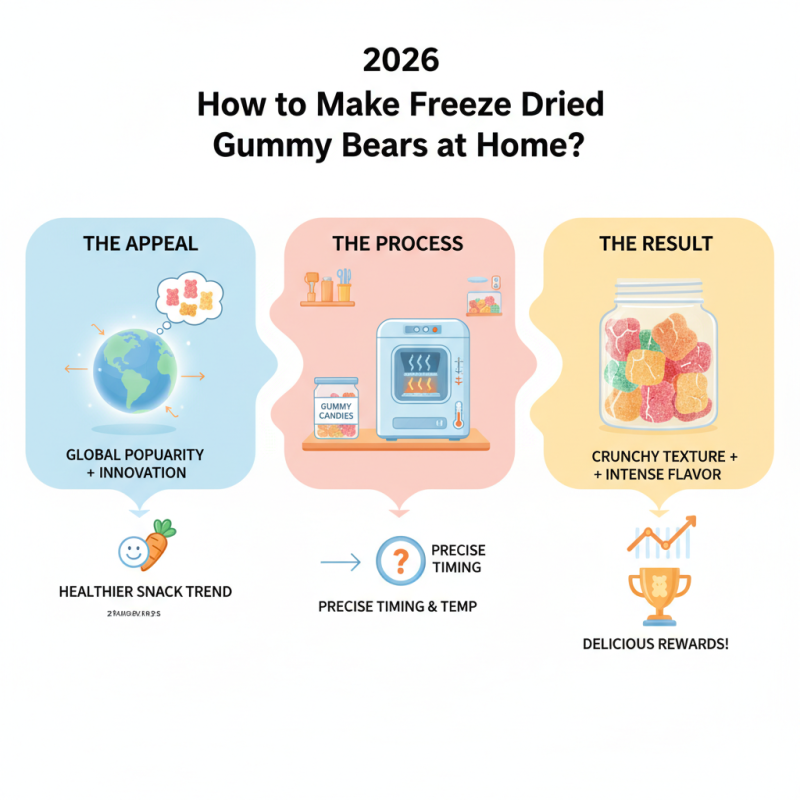
In recent years, the popularity of Freeze Dried Gummy Bears has surged. According to market research, the global gummy candy industry is expected to grow significantly, with trends highlighting innovative methods to enjoy these treats. Freeze drying offers a unique texture that retains the original flavor while making them light and crunchy.
Many home cooks are experimenting with freeze drying to create personalized snacks. A report from the National Confectioners Association revealed that over 60% of consumers seek healthier candy options. Freeze Dried Gummy Bears fit this trend perfectly. They provide a fun, nostalgic treat without the guilt of traditional gummy candies.
However, making these at home can be tricky. It's essential to monitor the process closely. Small variations in temperature or timing can affect the final outcome. The challenge lies in achieving that ideal crispy texture while preserving the flavor. For enthusiasts, the journey of making Freeze Dried Gummy Bears can lead to delicious rewards.
How Freeze Drying Works: The Science Behind the Process
Freeze drying, or lyophilization, is a fascinating process. It removes moisture from food while keeping its structure and nutrients intact. This method uses low temperatures and a vacuum to turn water into vapor. The absence of liquid water reduces spoilage and extends shelf life. The science behind freeze drying is both simple and complex. It’s about altering the state of water without going through a liquid phase.
To freeze dry gummy bears, you first freeze them at very low temperatures. This solidifies the sugar and gelatin structure of the gummies. Next, a vacuum is applied, allowing frozen water to sublime. While this sounds simple, achieving the right vacuum pressure can be tricky. If it's too high, gummies can collapse. If it’s too low, they’ll remain soggy. Achieving the perfect balance takes practice and careful monitoring.
After freeze drying, the gummy bears turn airy and crunchy. They maintain their shape but lose their chewy texture. Taste changes too; it's more concentrated. Some may prefer the classic chewy gummy version. Reflecting on this, it’s clear that experimenting is vital. Each batch can teach you something new. Adapt your methods and don't shy away from mistakes. Embrace the learning journey of making these unique treats.