
-
-
-
-
-
-

With a customized Stiles University course, we can provide expert training for your team, on-location. Whether it's programming, operation or maintenance, we want to help you train your personnel to meet your production goals efficiently and effectively.
-

Experience the trusted workforce development training and machinery knowledge you rely on from Stiles University, now at your convenience. With technology changing every day and new methods being developed constantly, Stiles University Online has the latest information and training content available at your fingertips.
-
-
-

Do you want to produce more efficiently? Processes and flows are key. We optimize these together with you, re-organize them and make sure that you reduce your lead time and save costs. This enables you to implement customized manufacturing and achieve your business goals.
-

Industrialized construction is evolving. Automation, robotics and advanced technology are raising the level of productivity, efficiency and precision for builders in North America.
-

Stiles Machinery is at the forefront of providing technology and machining for producing high quality mass timber. Automated solutions for your mass timber production can increase your manufacturing quality and productivity.
-

Project management services from Stiles make it easy to streamline your entire project— from concept and consultation to integration and implementation.
-



-
-
-
-
-
-
With a customized Stiles University course, we can provide expert training for your team, on-location. Whether it's programming, operation or maintenance, we want to help you train your personnel to meet your production goals efficiently and effectively.
-
Experience the trusted workforce development training and machinery knowledge you rely on from Stiles University, now at your convenience. With technology changing every day and new methods being developed constantly, Stiles University Online has the latest information and training content available at your fingertips.
-
-
-
Do you want to produce more efficiently? Processes and flows are key. We optimize these together with you, re-organize them and make sure that you reduce your lead time and save costs. This enables you to implement customized manufacturing and achieve your business goals.
-
Industrialized construction is evolving. Automation, robotics and advanced technology are raising the level of productivity, efficiency and precision for builders in North America.
-
Stiles Machinery is at the forefront of providing technology and machining for producing high quality mass timber. Automated solutions for your mass timber production can increase your manufacturing quality and productivity.
-
Project management services from Stiles make it easy to streamline your entire project— from concept and consultation to integration and implementation.
-
2026 How to Choose the Best Wood CNC Machine for Your Projects?
In the world of woodworking, selecting the right wood CNC machine can be daunting. Experts like John Smith, a renowned industry leader, have noted, "Choosing the right CNC machine can make or break your project." His words resonate deeply with both beginners and seasoned professionals.
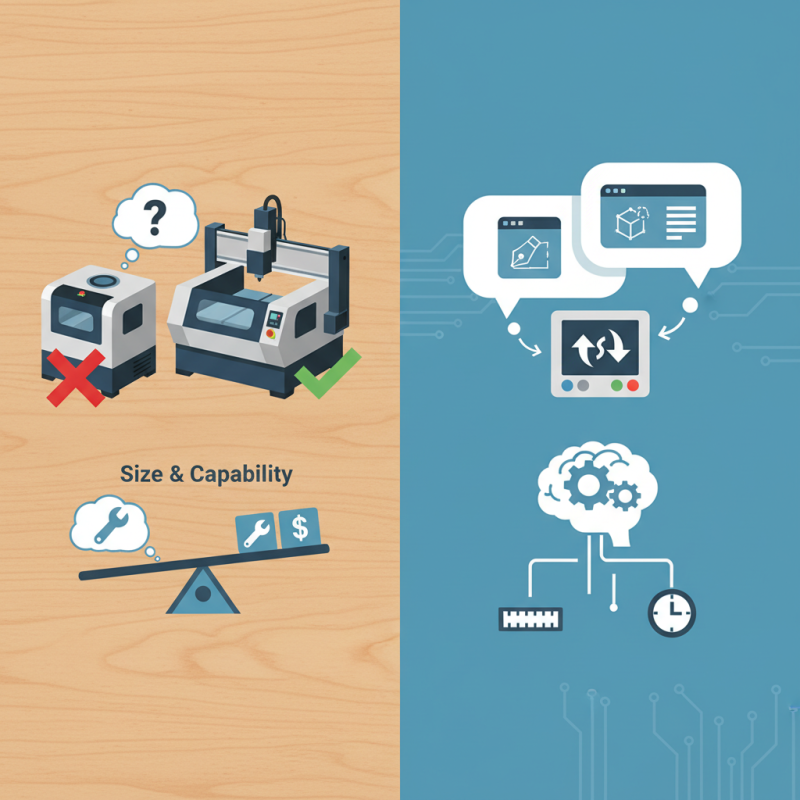
When considering a wood CNC machine, several factors come into play. Think about the machine's size and capability. Will it accommodate your workspace? Often, smaller machines lack precision. On the other hand, larger units can be costly and complex. You must weigh the pros and cons carefully.
Additionally, the software compatibility is crucial. Some wood CNC machines work seamlessly with popular design programs, while others do not. This mismatch can lead to frustration and wasted time. It's essential to reflect on how a specific machine aligns with your project needs. Choosing the right wood CNC machine requires thoughtful consideration and planning.
Understanding Your Project Requirements for CNC Machining
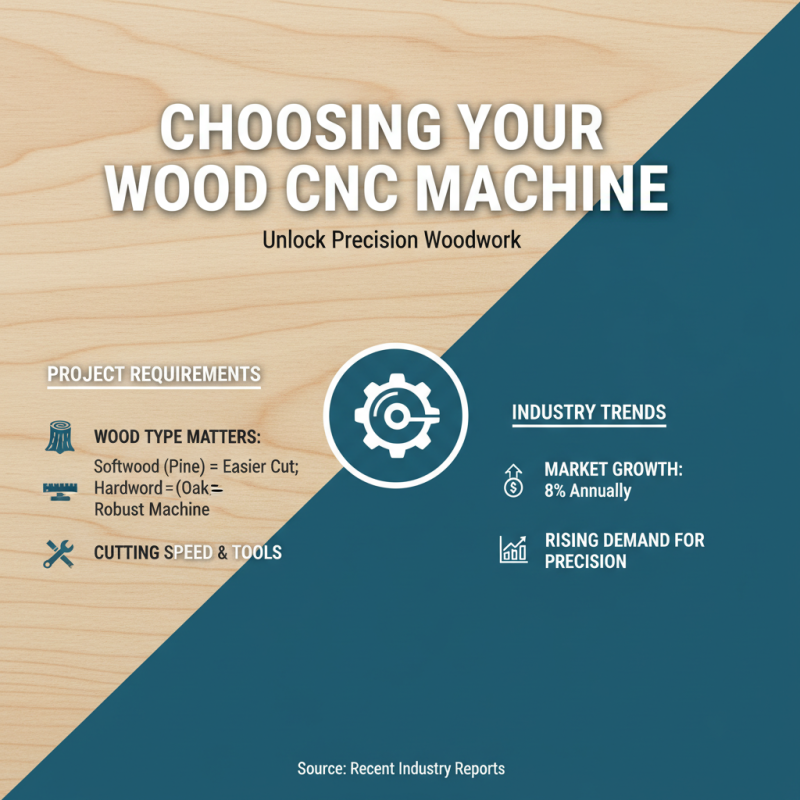
Choosing the right wood CNC machine starts with understanding your project requirements. Consider the type of wood you will use. Different wood types require different cutting speeds and tools. Softwoods like pine are easier to cut, while hardwoods like oak need more robust machines. According to recent industry reports, the market for CNC machines is expected to grow by 8% annually. This growth indicates a rising demand for precision woodwork.
Another key factor is the complexity of your designs. If you create intricate carvings or detailed furniture components, you need a more advanced CNC machine. Machines that offer higher precision can create finer details. However, such machines may come with a steeper learning curve. Users often find themselves overwhelmed if they lack experience with complex software. A report from a manufacturing association revealed that nearly 40% of users struggle to utilize advanced features fully.
Budget constraints also play a crucial role. High-end machines can cost significantly more but offer greater capabilities. Weighing the cost against the expected return on investment is essential. Many woodworkers report difficulty in justifying high expenses upfront. Balancing aspiration with practicality can lead to tough decisions. It's vital to define your projects clearly before investing.
Related Posts
-
Unlocking the Potential of Wood CNC Machines for Your Next Creative Project
-
Top Wood CNC Machine Benefits for Your Business and Creative Projects
-
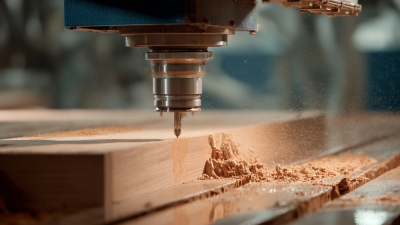
Unlocking Precision: How Wood CNC Machines are Revolutionizing the Furniture Industry
-

Unlocking Creativity: How CNC Wood Cutting Machines Transform Custom Furniture Design
-
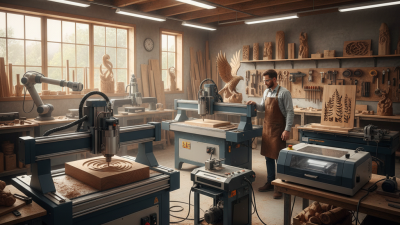
Top 10 Wood Carving Machines for Professional and Hobby Use
-
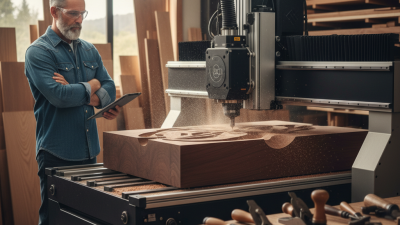
2026 Top Woodworking CNC Machines: Features, Benefits, and Buying Guide