
-
-
-
-
-
-

With a customized Stiles University course, we can provide expert training for your team, on-location. Whether it's programming, operation or maintenance, we want to help you train your personnel to meet your production goals efficiently and effectively.
-

Experience the trusted workforce development training and machinery knowledge you rely on from Stiles University, now at your convenience. With technology changing every day and new methods being developed constantly, Stiles University Online has the latest information and training content available at your fingertips.
-
-
-

Do you want to produce more efficiently? Processes and flows are key. We optimize these together with you, re-organize them and make sure that you reduce your lead time and save costs. This enables you to implement customized manufacturing and achieve your business goals.
-
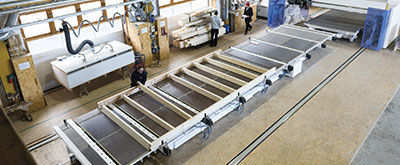
Industrialized construction is evolving. Automation, robotics and advanced technology are raising the level of productivity, efficiency and precision for builders in North America.
-
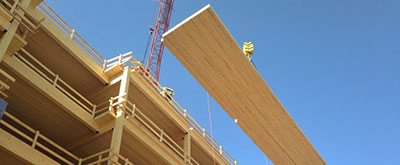
Stiles Machinery is at the forefront of providing technology and machining for producing high quality mass timber. Automated solutions for your mass timber production can increase your manufacturing quality and productivity.
-

Project management services from Stiles make it easy to streamline your entire project— from concept and consultation to integration and implementation.
-


-
-
-
-
-
-
With a customized Stiles University course, we can provide expert training for your team, on-location. Whether it's programming, operation or maintenance, we want to help you train your personnel to meet your production goals efficiently and effectively.
-
Experience the trusted workforce development training and machinery knowledge you rely on from Stiles University, now at your convenience. With technology changing every day and new methods being developed constantly, Stiles University Online has the latest information and training content available at your fingertips.
-
-
-
Do you want to produce more efficiently? Processes and flows are key. We optimize these together with you, re-organize them and make sure that you reduce your lead time and save costs. This enables you to implement customized manufacturing and achieve your business goals.
-
Industrialized construction is evolving. Automation, robotics and advanced technology are raising the level of productivity, efficiency and precision for builders in North America.
-
Stiles Machinery is at the forefront of providing technology and machining for producing high quality mass timber. Automated solutions for your mass timber production can increase your manufacturing quality and productivity.
-
Project management services from Stiles make it easy to streamline your entire project— from concept and consultation to integration and implementation.
-
2026 How to Choose the Best 5 Axis CNC Machine for Your Needs?
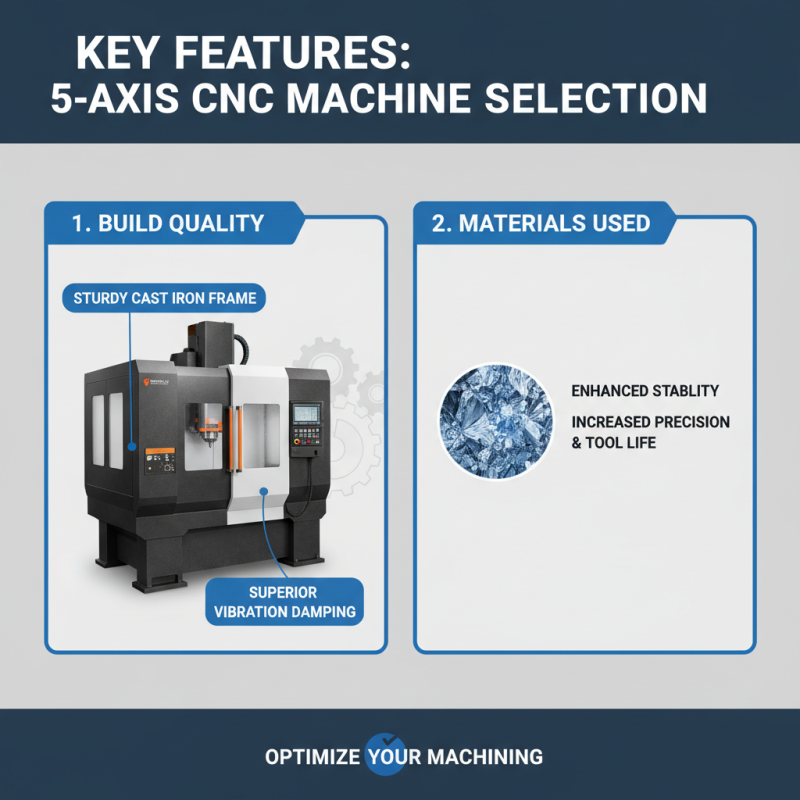
Choosing the right 5 axis CNC machine is a critical step for any manufacturing business. The process can seem daunting due to the variety of options. Each machine has unique features, and this complexity can overwhelm newcomers.
When evaluating 5 axis CNC machines, consider key factors like precision, speed, and ease of use. These elements affect productivity and quality in your projects. A wrong choice can lead to frustration and financial losses. Details matter here. Understanding your own needs is equally essential. You must ask yourself: what material will you work with?
Reflecting on these questions can help clarify your goals. Test different models if possible. Sometimes, the perfect machine isn't what you imagine it to be. Take the time to research, and don’t rush into a decision. Your choice of a 5 axis CNC machine can shape the future of your operations.
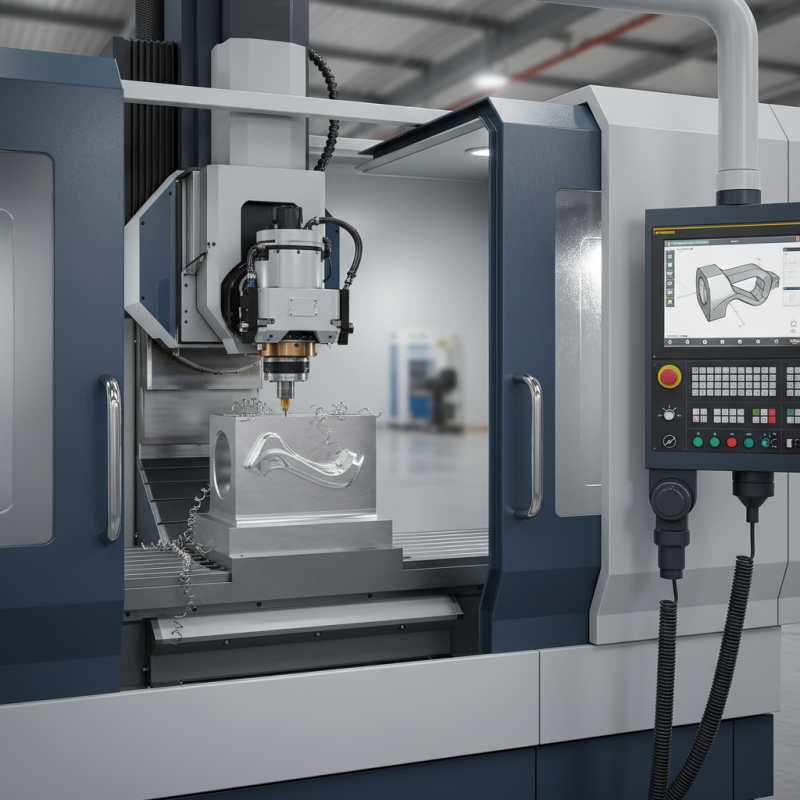
Understanding the Basics of 5 Axis CNC Machines in 2026
In 2026, understanding 5 axis CNC machines is critical for modern manufacturing. These machines offer advanced capabilities compared to traditional 3 axis models. They provide improved flexibility, precision, and the ability to produce complex geometries. According to industry reports, 80% of manufacturers are now leveraging 5 axis technology to enhance productivity.
Choosing the right 5 axis CNC machine requires an understanding of its components. Key factors include the machine's range of motion and tool change speed. Precision is vital, yet many machines face challenges maintaining accuracy over extended use. The risk of wear and tear poses a threat to manufacturing standards. In a market where 30% of misproductions stem from machine errors, choosing wisely is paramount.
There's a growing demand for training and expertise in operating these machines. As technology advances, so does the complexity of operation. Companies often struggle with integrating new machinery into existing workflows. This indicates a need for both operator skills and proper maintenance practices. The focus on these aspects can directly affect overall production efficiency.
Related Posts
-
2026 Best CNC Machining Parts for Precision Engineering Applications?
-
How to Optimize C and C Machine Operations for Maximum Efficiency?
-

Unlocking Creativity: How CNC Wood Cutting Machines Transform Custom Furniture Design
-
How to Use a CNC Wood Router for Perfectly Crafted Projects?
-
2026 How to Use Wood CNC Machines for Perfect Craftsmanship?
-
2026 Top Woodworking CNC Machines: Features, Benefits, and Buying Guide