
-
-
-
-
-
-
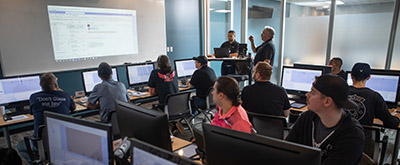
With a customized Stiles University course, we can provide expert training for your team, on-location. Whether it's programming, operation or maintenance, we want to help you train your personnel to meet your production goals efficiently and effectively.
-

Experience the trusted workforce development training and machinery knowledge you rely on from Stiles University, now at your convenience. With technology changing every day and new methods being developed constantly, Stiles University Online has the latest information and training content available at your fingertips.
-
-
-

Do you want to produce more efficiently? Processes and flows are key. We optimize these together with you, re-organize them and make sure that you reduce your lead time and save costs. This enables you to implement customized manufacturing and achieve your business goals.
-
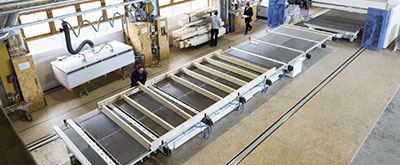
Industrialized construction is evolving. Automation, robotics and advanced technology are raising the level of productivity, efficiency and precision for builders in North America.
-
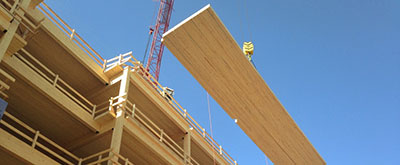
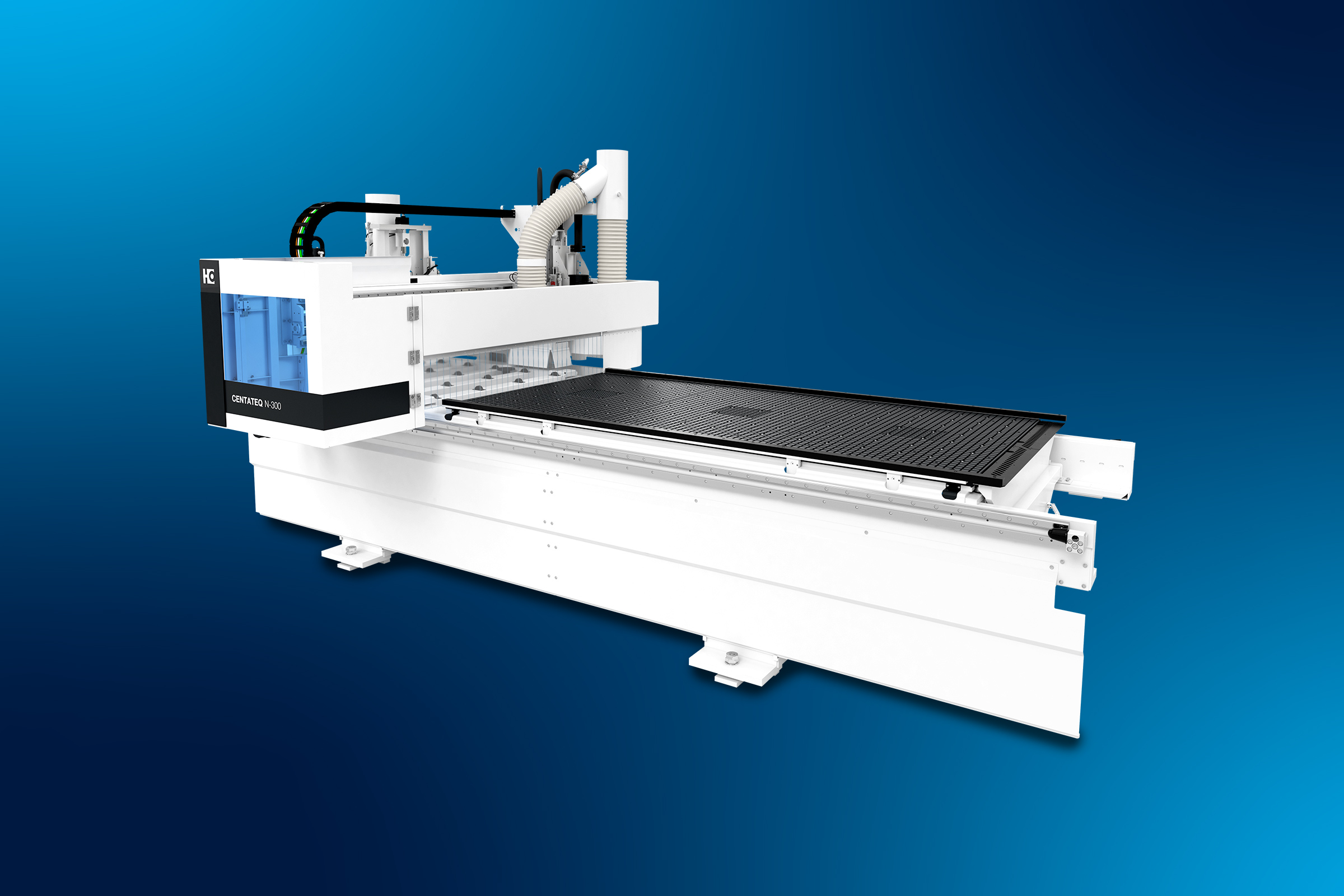
Stiles Machinery is at the forefront of providing technology and machining for producing high quality mass timber. Automated solutions for your mass timber production can increase your manufacturing quality and productivity.
-
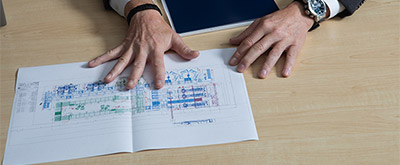
Project management services from Stiles make it easy to streamline your entire project— from concept and consultation to integration and implementation.
-

-
-
-
-
-
-
With a customized Stiles University course, we can provide expert training for your team, on-location. Whether it's programming, operation or maintenance, we want to help you train your personnel to meet your production goals efficiently and effectively.
-
Experience the trusted workforce development training and machinery knowledge you rely on from Stiles University, now at your convenience. With technology changing every day and new methods being developed constantly, Stiles University Online has the latest information and training content available at your fingertips.
-
-
-
Do you want to produce more efficiently? Processes and flows are key. We optimize these together with you, re-organize them and make sure that you reduce your lead time and save costs. This enables you to implement customized manufacturing and achieve your business goals.
-
Industrialized construction is evolving. Automation, robotics and advanced technology are raising the level of productivity, efficiency and precision for builders in North America.
-
Stiles Machinery is at the forefront of providing technology and machining for producing high quality mass timber. Automated solutions for your mass timber production can increase your manufacturing quality and productivity.
-
Project management services from Stiles make it easy to streamline your entire project— from concept and consultation to integration and implementation.
-
How Much Does a UV Lamp Cost?
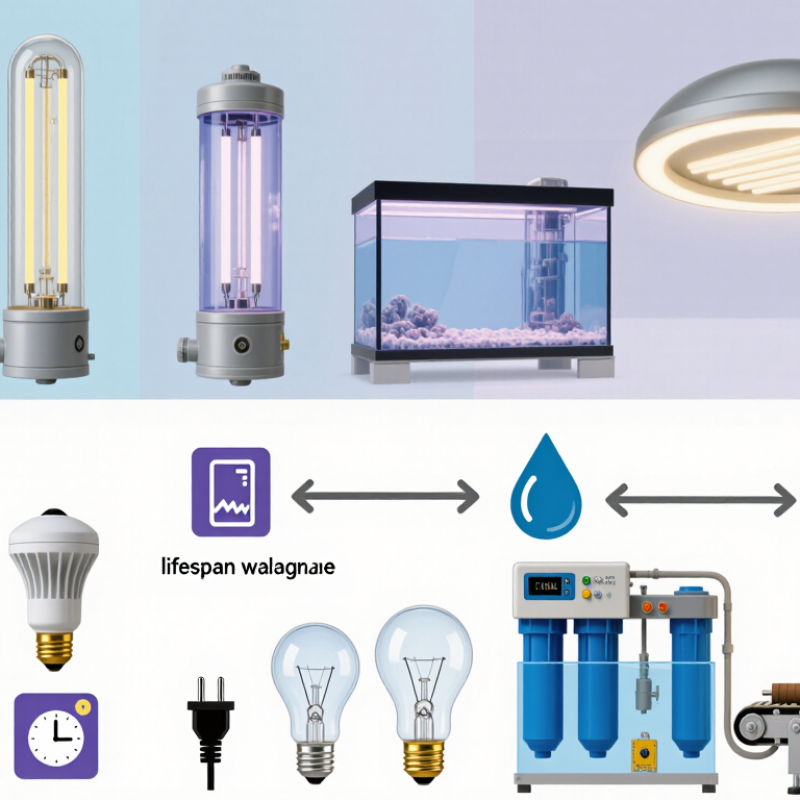
How much does a UV lamp cost? The honest answer depends on what the lamp must do. A compact bulb for a small appliance may cost far less than a complete UV water-treatment unit. Aquarium, curing, inspection, and disinfection lamps also differ in output, construction, and replacement needs. Comparing sticker prices alone can mislead.
UV disinfection researcher Dr. Karl G. Linden’s work highlights why performance matters alongside price. In plain terms, the principle is: “Compare a UV lamp’s cost with its output, service life, and intended application.” This is a summary of that principle, not a verified verbatim quotation. For buyers, it means checking the product’s rated wavelength, compatible fixture, replacement-bulb cost, and manufacturer guidance. A low-priced lamp may not suit the device or task.
Details matter. A product page might list a bulb for $20, while its compatible fixture costs much more. Some units also need periodic replacement, so long-term spending can exceed the first purchase. That sounds tidy; real shopping is messier. Specifications are not always presented consistently, and advertised lifespan may depend on operating conditions. Before choosing, compare equivalent products and confirm what is included in the price. This guide explains the main factors behind Uv Lamp Price, typical cost ranges, and the details worth checking before you buy.
What a UV Lamp Is and How It Works
A UV lamp converts electrical energy into ultraviolet radiation. Its purpose depends on the wavelength and design. Some lamps support disinfection; others serve curing, inspection, or specialty lighting. The International Commission on Illumination’s International Lighting Vocabulary places UV-C between 100 and 280 nanometers. That range is invisible to the eye.
For germicidal use, UV-C can damage the genetic material of microorganisms, limiting their ability to reproduce. NIOSH’s 2009 upper-room UVGI guidance describes 254-nanometer radiation as a common wavelength for conventional systems. The delivered dose depends on irradiance and exposure time. Distance, airflow, and how a surface is positioned can change the result. Not magic.
Inside a traditional low-pressure mercury lamp, an electrical discharge excites mercury vapor, producing UV-C. UV-C LEDs use a different light-producing mechanism. ASHRAE Standard 185.1 describes a test method for evaluating in-duct UV-C devices against airborne microorganisms; such testing helps compare performance under defined conditions. A lamp’s price therefore reflects more than its bulb: output, housing, controls, shielding, and test evidence all matter. I still find “UV lamp” a slightly misleading label, since two lamps can look similar yet deliver very different doses.
| UV Lamp Type | Typical Wavelength | How It Works | Common Uses | Typical Purchase Price (USD) |
|---|---|---|---|---|
| Small UVA blacklight lamp | About 365–395 nm | Emits long-wave ultraviolet light that makes some fluorescent materials glow. | Fluorescence inspection, hobby use, and counterfeit-document checks | $10–$60 |
| UV nail-curing lamp | Usually about 365–405 nm | UV or violet LEDs initiate curing reactions in compatible nail gels. | Gel nail curing at home or in salons | $15–$100 |
| Germicidal UV lamp | Commonly 254 nm | Short-wave UV-C damages the genetic material of microorganisms, reducing their ability to reproduce. Proper shielding is essential because direct exposure can harm people and animals. | Enclosed air or water disinfection equipment | $20–$150 for a replacement lamp; complete systems usually cost more |
| Residential UV water-treatment system | Typically around 254 nm | Water passes through a chamber exposed to UV-C. Performance depends on factors such as flow rate, water clarity, and lamp condition. | Point-of-entry or point-of-use water treatment | $100–$800 for many residential systems |
| Portable UV-C disinfection device | Varies by device; often around 254 nm or UV-C LED wavelengths | Directs UV-C onto surfaces or objects. Effectiveness depends on dose, distance, exposure time, and whether the target is directly illuminated. | Limited, controlled surface-disinfection applications | $30–$250 |
| Industrial UV-curing system | Often about 365–395 nm for LED systems; wavelength depends on the curing material | UV light triggers a photochemical reaction that hardens compatible inks, coatings, or adhesives. | Printing, manufacturing, and adhesive curing | $500–$10,000 or more, depending on size and output |
| Price note: These are approximate USD purchase-price ranges, not installation or operating costs. Actual prices vary with lamp output, size, safety features, replacement-lamp availability, and whether the product is a bulb or a complete system. UV lamps work by emitting ultraviolet radiation; the wavelength determines how the light interacts with materials and microorganisms. | ||||