
-
-
-
-
-
-

With a customized Stiles University course, we can provide expert training for your team, on-location. Whether it's programming, operation or maintenance, we want to help you train your personnel to meet your production goals efficiently and effectively.
-

Experience the trusted workforce development training and machinery knowledge you rely on from Stiles University, now at your convenience. With technology changing every day and new methods being developed constantly, Stiles University Online has the latest information and training content available at your fingertips.
-
-
-

Do you want to produce more efficiently? Processes and flows are key. We optimize these together with you, re-organize them and make sure that you reduce your lead time and save costs. This enables you to implement customized manufacturing and achieve your business goals.
-

Industrialized construction is evolving. Automation, robotics and advanced technology are raising the level of productivity, efficiency and precision for builders in North America.
-

Stiles Machinery is at the forefront of providing technology and machining for producing high quality mass timber. Automated solutions for your mass timber production can increase your manufacturing quality and productivity.
-

Project management services from Stiles make it easy to streamline your entire project— from concept and consultation to integration and implementation.
-



-
-
-
-
-
-
With a customized Stiles University course, we can provide expert training for your team, on-location. Whether it's programming, operation or maintenance, we want to help you train your personnel to meet your production goals efficiently and effectively.
-
Experience the trusted workforce development training and machinery knowledge you rely on from Stiles University, now at your convenience. With technology changing every day and new methods being developed constantly, Stiles University Online has the latest information and training content available at your fingertips.
-
-
-
Do you want to produce more efficiently? Processes and flows are key. We optimize these together with you, re-organize them and make sure that you reduce your lead time and save costs. This enables you to implement customized manufacturing and achieve your business goals.
-
Industrialized construction is evolving. Automation, robotics and advanced technology are raising the level of productivity, efficiency and precision for builders in North America.
-
Stiles Machinery is at the forefront of providing technology and machining for producing high quality mass timber. Automated solutions for your mass timber production can increase your manufacturing quality and productivity.
-
Project management services from Stiles make it easy to streamline your entire project— from concept and consultation to integration and implementation.
-
High Quality Stair Tread Options for Your Home or Business?
When considering the safety and aesthetics of your home or business, high-quality Stair Treads play a vital role. Experts in the industry stress the importance of choosing the right materials and designs. John Smith, a respected flooring specialist, once said, “The right stair tread not only enhances safety but also adds character to your space.”
Selecting the ideal stair tread requires careful consideration. From rubber to wood, various materials cater to different needs. High-quality stair treads can dramatically reduce slip risks, especially in high-traffic areas. It is crucial to assess the unique requirements of each space, as not every tread suits every staircase.
Many business owners and homeowners overlook this detail until an accident occurs. Therefore, understanding the significance of stair treads can save you from potential hazards. Investing in premium options reflects not only on safety but also on your commitment to design and quality. Don't underestimate the power of a simple tread; it shapes the first impression of your space.
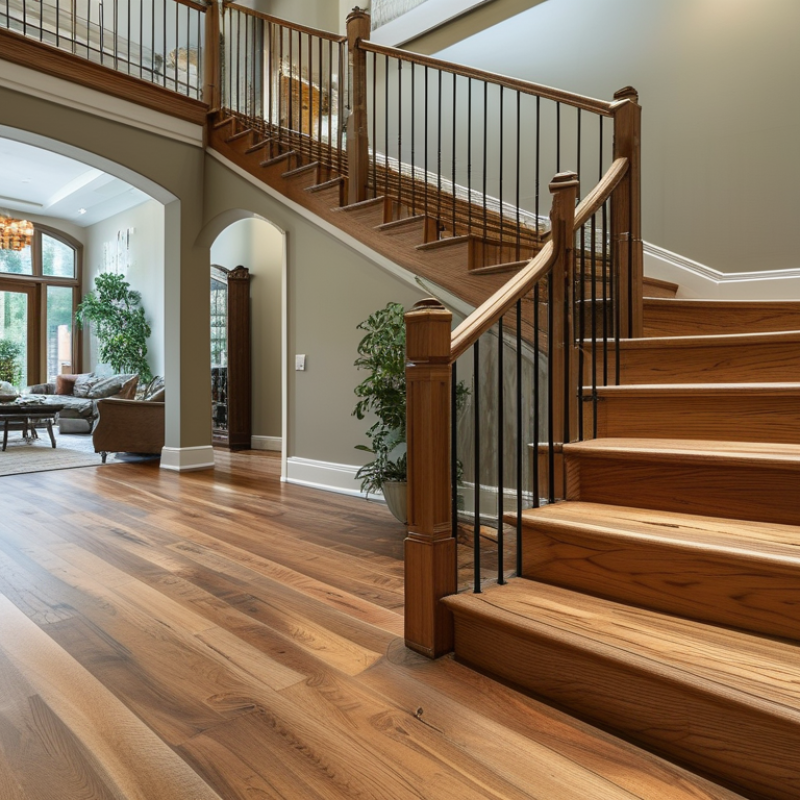
High-Quality Stair Tread Materials: A Comprehensive Overview
When choosing stair tread materials, it’s crucial to understand available high-quality options. The choice of material affects both safety and aesthetic appeal. According to a report by the National Safety Council, falls on stairs account for more than 1 million emergency visits annually, highlighting the importance of effective stair treads. Popular materials include rubber, vinyl, and wood, each offering unique benefits and challenges.
Rubber treads provide excellent traction. They are durable and resistant to water. In moist environments, their slip-resistant properties prove vital. Vinyl treads require less maintenance but may not offer the same durability. Wood, while aesthetically pleasing, can be slippery if not treated properly. It's essential for homeowners and business owners to weigh these factors carefully.
Tips: Always assess foot traffic in your stair area. High-traffic zones need tougher materials. Check local regulations on slip resistance. Sometimes, investing in high-quality materials pays off in the long run. Long-term performance should be a priority. Remember, not all materials fit every environment. Evaluate your needs thoroughly.