
-
-
-
-
-
-

With a customized Stiles University course, we can provide expert training for your team, on-location. Whether it's programming, operation or maintenance, we want to help you train your personnel to meet your production goals efficiently and effectively.
-

Experience the trusted workforce development training and machinery knowledge you rely on from Stiles University, now at your convenience. With technology changing every day and new methods being developed constantly, Stiles University Online has the latest information and training content available at your fingertips.
-
-
-

Do you want to produce more efficiently? Processes and flows are key. We optimize these together with you, re-organize them and make sure that you reduce your lead time and save costs. This enables you to implement customized manufacturing and achieve your business goals.
-

Industrialized construction is evolving. Automation, robotics and advanced technology are raising the level of productivity, efficiency and precision for builders in North America.
-

Stiles Machinery is at the forefront of providing technology and machining for producing high quality mass timber. Automated solutions for your mass timber production can increase your manufacturing quality and productivity.
-

Project management services from Stiles make it easy to streamline your entire project— from concept and consultation to integration and implementation.
-



-
-
-
-
-
-
With a customized Stiles University course, we can provide expert training for your team, on-location. Whether it's programming, operation or maintenance, we want to help you train your personnel to meet your production goals efficiently and effectively.
-
Experience the trusted workforce development training and machinery knowledge you rely on from Stiles University, now at your convenience. With technology changing every day and new methods being developed constantly, Stiles University Online has the latest information and training content available at your fingertips.
-
-
-
Do you want to produce more efficiently? Processes and flows are key. We optimize these together with you, re-organize them and make sure that you reduce your lead time and save costs. This enables you to implement customized manufacturing and achieve your business goals.
-
Industrialized construction is evolving. Automation, robotics and advanced technology are raising the level of productivity, efficiency and precision for builders in North America.
-
Stiles Machinery is at the forefront of providing technology and machining for producing high quality mass timber. Automated solutions for your mass timber production can increase your manufacturing quality and productivity.
-
Project management services from Stiles make it easy to streamline your entire project— from concept and consultation to integration and implementation.
-
2025 Guide: How to Choose the Best CNC Machining Parts for Your Projects
In the rapidly evolving landscape of manufacturing, the significance of precision and quality in production cannot be overstated. According to a report by MarketsandMarkets, the global CNC machining market is projected to grow from $63.8 billion in 2020 to $100.1 billion by 2025, underscoring the rising adoption of CNC machining parts across various industries, including automotive, aerospace, and medical devices. This growth highlights a fundamental shift towards automation and efficiency, where the choice of CNC machining parts plays a critical role in ensuring the success of projects.
Selecting the right CNC machining parts is essential for achieving the desired functional performance and longevity of products. Factors such as material selection, dimensional accuracy, and surface finish become paramount when choosing components for precision engineering applications. An insightful analysis from Deloitte indicates that 70% of manufacturers report an increased focus on supply chain resilience, which is directly linked to their choices of CNC machining parts. As such, understanding the intricacies of the CNC machining process and the various options available will empower engineers and project managers to make informed decisions that enhance productivity and innovation in their projects.
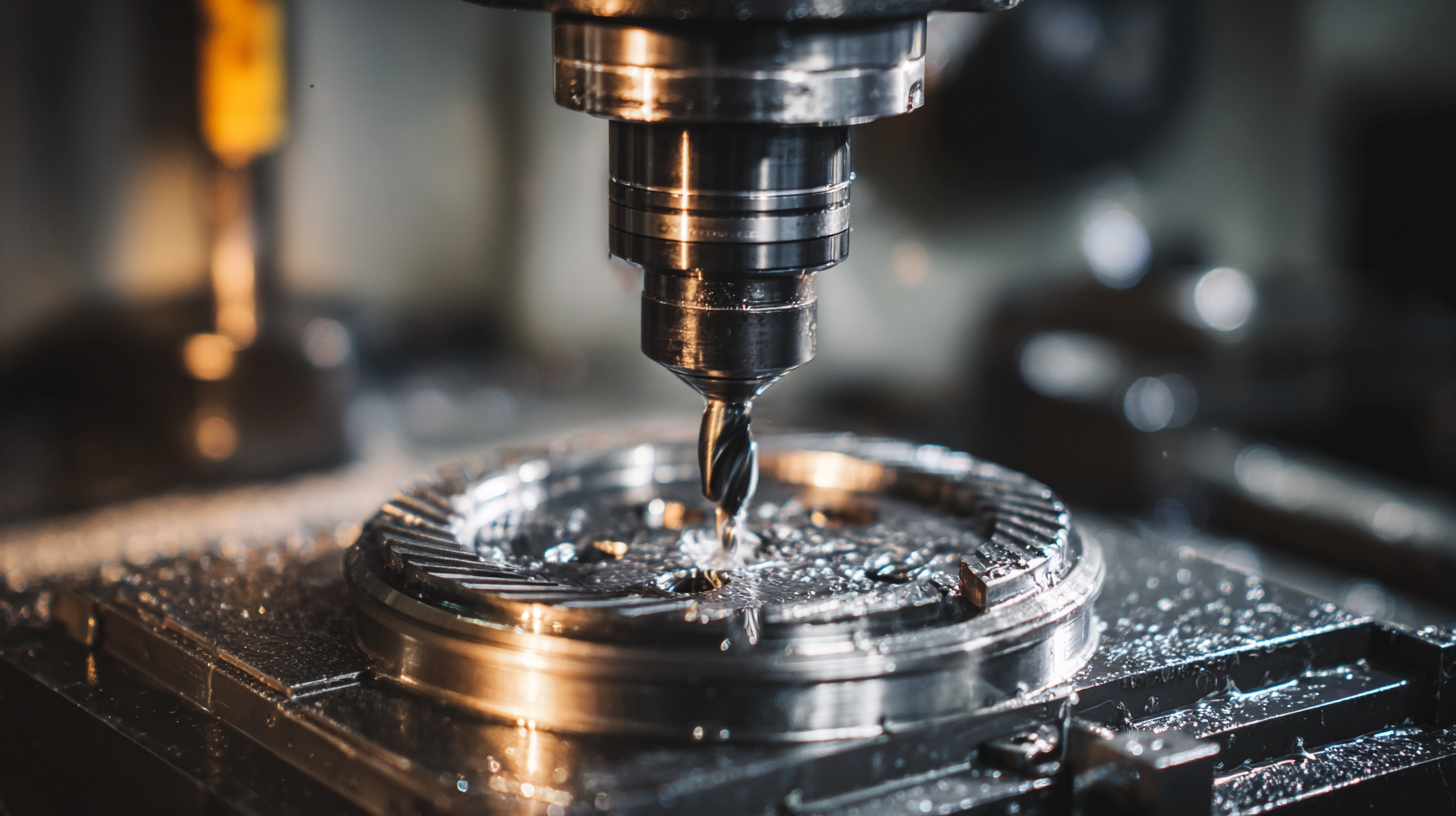
Understanding CNC Machining: Types and Applications of Numerical Control
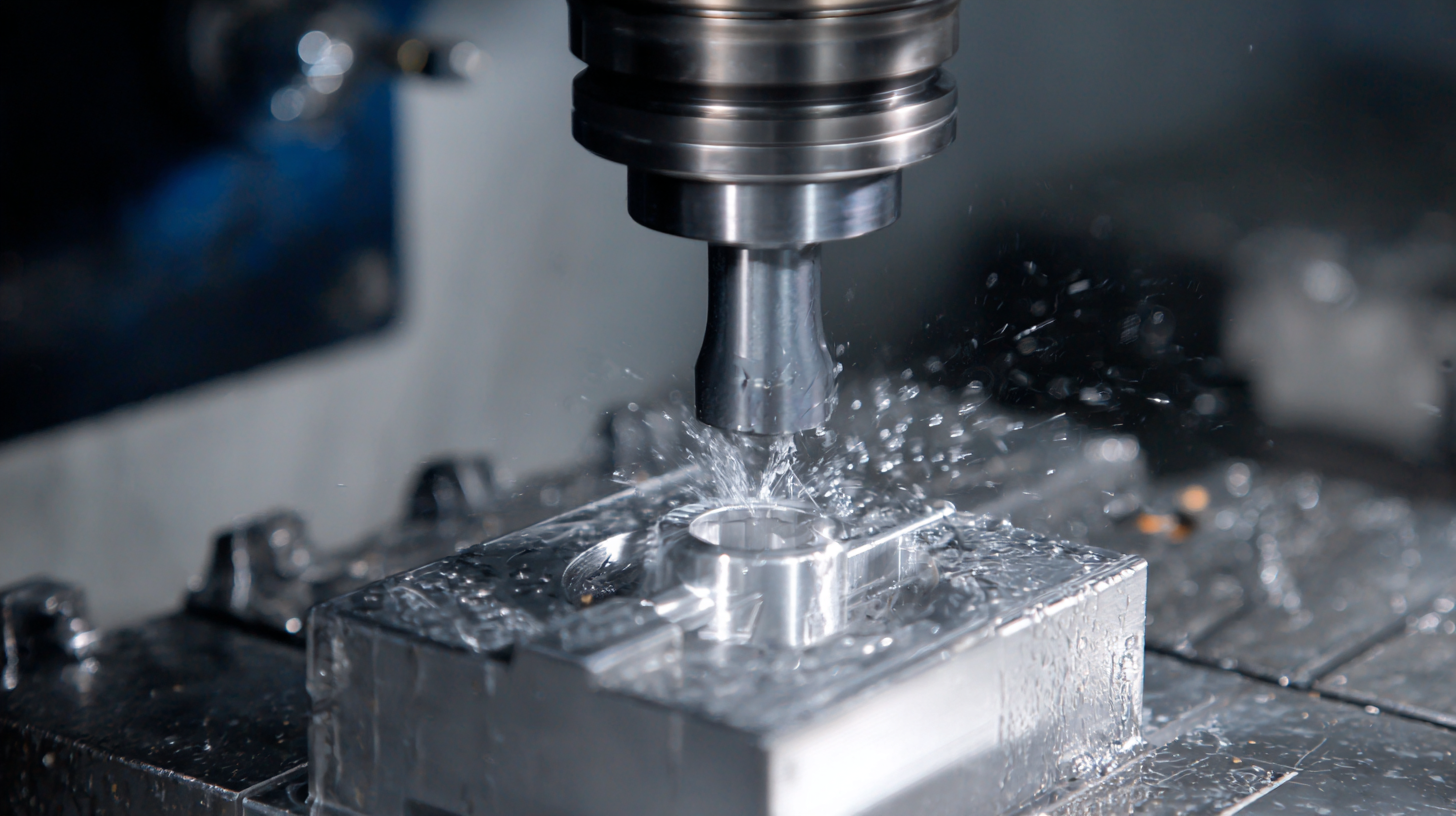 CNC (computer numerical control) machining is a pivotal technology in modern manufacturing, enabling precision and efficiency across various industries. Understanding the types and applications of CNC machining is essential for selecting the best parts for your projects. CNC machines are classified into several types, including milling machines, lathes, and plasma cutters, each suited for different manufacturing needs. For instance, milling machines are ideal for creating complex geometries, while lathes excel in producing cylindrical parts with high accuracy.
The applications of CNC machining span numerous sectors, including aerospace, automotive, and healthcare. In aerospace, CNC is used to manufacture intricate parts that meet stringent safety and performance standards. Similarly, the automotive industry relies on CNC machining for efficient production of components like precision shafts and threaded parts. As the market for CNC machines grows, projected to reach USD 170.4 billion by 2033, the technology is becoming increasingly vital in adapting to the demands of digital manufacturing and enhancing production processes across the globe.
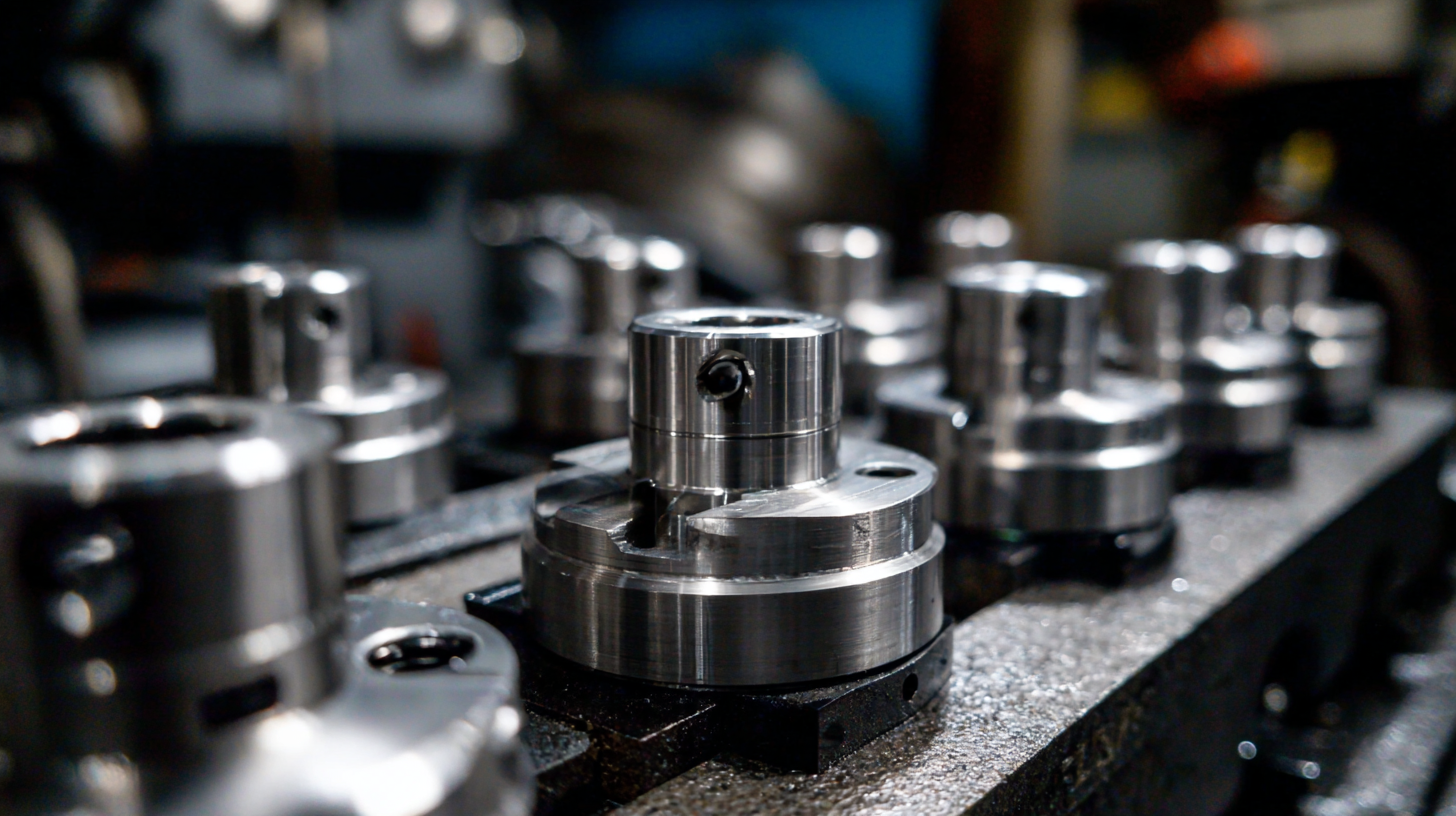 When selecting CNC machining parts for your projects, it's essential to consider several key factors to ensure optimal performance and quality. First and foremost, the material used in the CNC parts plays a crucial role. Different materials exhibit varying properties like strength, durability, and machinability, which influence the final product's performance. Reports indicate that the global CNC machine market is expected to grow from $101.22 billion in 2025 to $195.59 billion by 2032, achieving a compound annual growth rate of 9.9%. This rapid growth highlights the importance of making informed decisions about the components you choose for your machining needs.
Related Posts
-
Top 10 Small CNC Machines for Precision Engineering in 2023
-
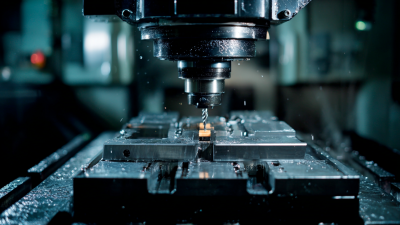
Exploring the Future of Manufacturing: How CNC Machines are Revolutionizing Production Techniques
-
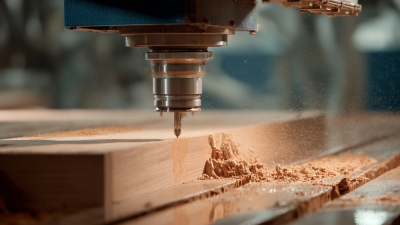
Unlocking Precision: How Wood CNC Machines are Revolutionizing the Furniture Industry
-
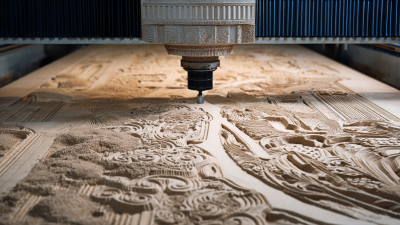
Unlocking the Potential of Wood CNC Machines for Your Next Creative Project
-

The Ultimate Guide to Choosing the Best Sanding Machine for Your DIY Projects
-
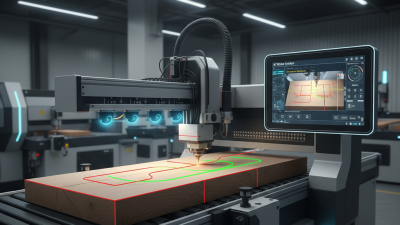
2025 Top 10 Woodworking Machinery Innovations You Can't Miss