
-
-
-
-
-
-

With a customized Stiles University course, we can provide expert training for your team, on-location. Whether it's programming, operation or maintenance, we want to help you train your personnel to meet your production goals efficiently and effectively.
-

Experience the trusted workforce development training and machinery knowledge you rely on from Stiles University, now at your convenience. With technology changing every day and new methods being developed constantly, Stiles University Online has the latest information and training content available at your fingertips.
-
-
-

Do you want to produce more efficiently? Processes and flows are key. We optimize these together with you, re-organize them and make sure that you reduce your lead time and save costs. This enables you to implement customized manufacturing and achieve your business goals.
-

Industrialized construction is evolving. Automation, robotics and advanced technology are raising the level of productivity, efficiency and precision for builders in North America.
-

Stiles Machinery is at the forefront of providing technology and machining for producing high quality mass timber. Automated solutions for your mass timber production can increase your manufacturing quality and productivity.
-

Project management services from Stiles make it easy to streamline your entire project— from concept and consultation to integration and implementation.
-



-
-
-
-
-
-
With a customized Stiles University course, we can provide expert training for your team, on-location. Whether it's programming, operation or maintenance, we want to help you train your personnel to meet your production goals efficiently and effectively.
-
Experience the trusted workforce development training and machinery knowledge you rely on from Stiles University, now at your convenience. With technology changing every day and new methods being developed constantly, Stiles University Online has the latest information and training content available at your fingertips.
-
-
-
Do you want to produce more efficiently? Processes and flows are key. We optimize these together with you, re-organize them and make sure that you reduce your lead time and save costs. This enables you to implement customized manufacturing and achieve your business goals.
-
Industrialized construction is evolving. Automation, robotics and advanced technology are raising the level of productivity, efficiency and precision for builders in North America.
-
Stiles Machinery is at the forefront of providing technology and machining for producing high quality mass timber. Automated solutions for your mass timber production can increase your manufacturing quality and productivity.
-
Project management services from Stiles make it easy to streamline your entire project— from concept and consultation to integration and implementation.
-
Why is Forklift Unloading Truck Essential for Efficient Logistics?
In the fast-paced world of logistics, efficiency is key. One critical component in this sector is the "Forklift Unloading Truck." This essential tool streamlines the unloading process significantly. It allows pallets of goods to be unloaded quickly and safely. By minimizing manual labor, it reduces the risk of injury and speeds up operations.
However, the use of Forklift Unloading Trucks is not without its challenges. Operators need proper training to ensure safety and efficiency. Poorly maintained equipment can lead to delays and accidents. Companies must regularly inspect their forklifts to avoid these issues. Understanding these factors can enhance productivity and create a safer workplace.
Ultimately, integrating Forklift Unloading Trucks is vital in modern logistics. They improve workflow and help meet tight deadlines. As businesses continue to grow, embracing the latest technologies and training will ensure the logistics chain remains effective and reliable.
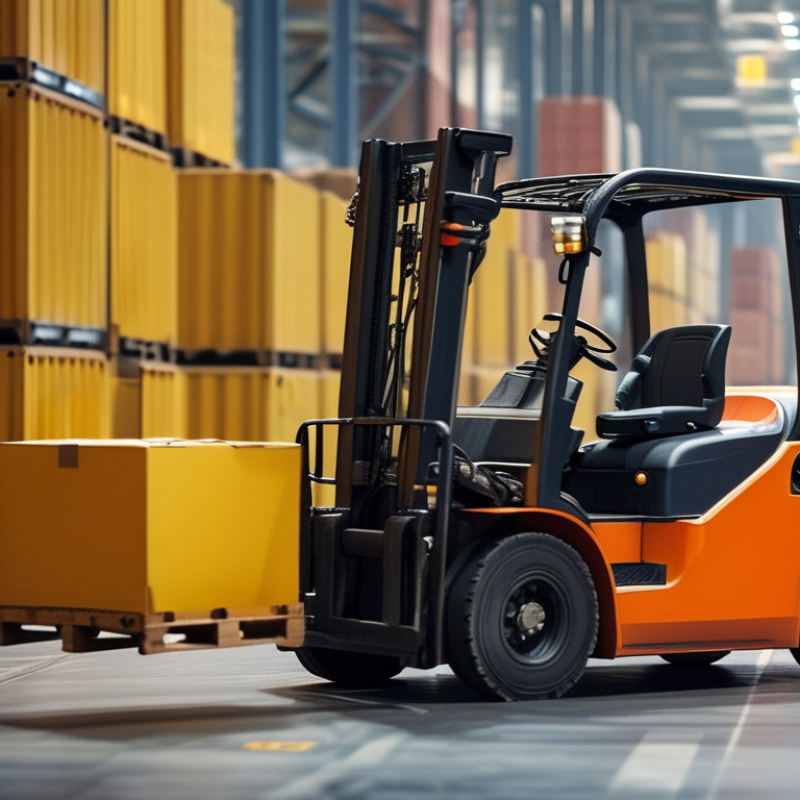
Understanding the Role of Forklift Unloading in Logistics Efficiency
Forklift unloading plays a crucial role in logistics efficiency. It significantly speeds up the unloading process. Time is money in the logistics industry. A well-managed unloading operation can save many hours. With the right equipment, goods can be moved swiftly and safely. This ensures that deliveries are made on schedule, which is vital for customer satisfaction.
The need for skilled operators cannot be overlooked. Effective training is essential for maximizing the benefits of forklifts. Untrained staff may cause delays or accidents. Operators must understand load limits and safety protocols. A mistake in handling heavy loads can lead to injuries and damages. This underlines the importance of proper training and adherence to safety standards.
Efficiency goes hand in hand with organization. An orderly unloading area can make a significant difference. It helps prevent bottlenecks and delays. However, companies often overlook this aspect. Poor organization can frustrate staff and impact productivity. Integrating forklifts into a well-thought-out logistics plan can elevate operations significantly. Every detail counts, and reflection on current practices is beneficial.