
For support and service of your machinery, Stiles has experts available 24/7 to help reduce downtime and get you back in action.
Technical Support: 616-698-6615
Service & Repairs: 616-698-7500
24/7 Parts: 1-800-727-8780
sale@inlandmachineokc.com
Parts are available from Stiles 24 hours a day, seven days a week, and are shipped from our Grand Rapids, Michigan fulfillment center.
24/7 Parts: 800-727-8780

With a customized Stiles University course, we can provide expert training for your team, on-location. Whether it's programming, operation or maintenance, we want to help you train your personnel to meet your production goals efficiently and effectively.

Experience the trusted workforce development training and machinery knowledge you rely on from Stiles University, now at your convenience. With technology changing every day and new methods being developed constantly, Stiles University Online has the latest information and training content available at your fingertips.
616-698-7500

Do you want to produce more efficiently? Processes and flows are key. We optimize these together with you, re-organize them and make sure that you reduce your lead time and save costs. This enables you to implement customized manufacturing and achieve your business goals.

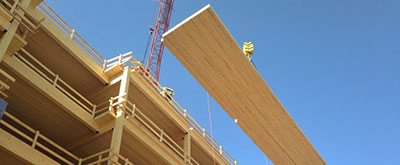
Industrialized construction is evolving. Automation, robotics and advanced technology are raising the level of productivity, efficiency and precision for builders in North America.

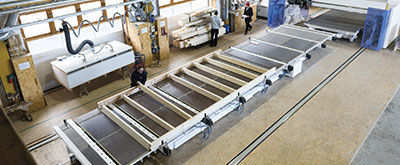
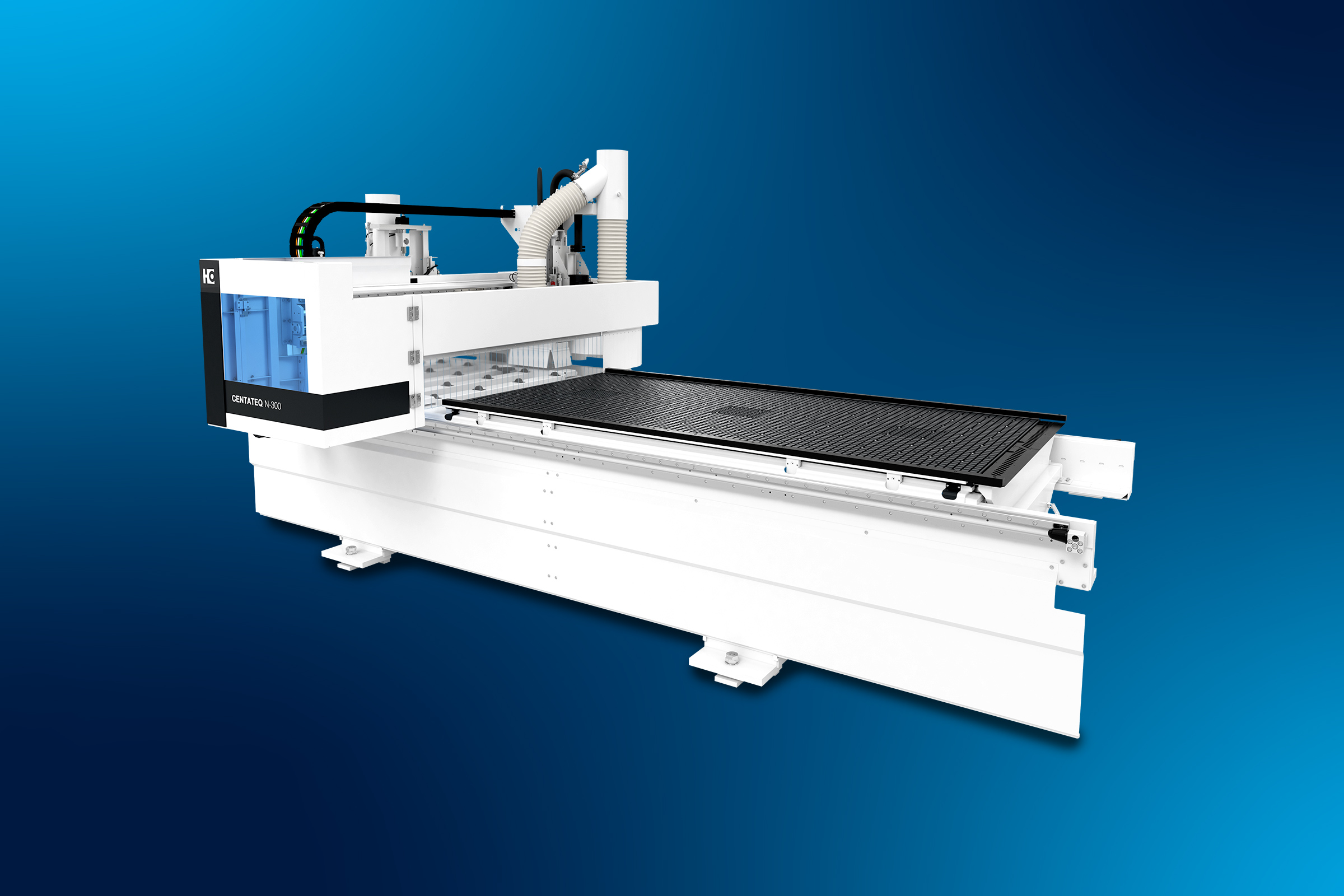
Stiles Machinery is at the forefront of providing technology and machining for producing high quality mass timber. Automated solutions for your mass timber production can increase your manufacturing quality and productivity.

Project management services from Stiles make it easy to streamline your entire project— from concept and consultation to integration and implementation.
For support and service of your machinery, Stiles has experts available 24/7 to help reduce downtime and get you back in action.
Technical Support: 616-698-6615
Service & Repairs: 616-698-7500
24/7 Parts: 1-800-727-8780
sale@inlandmachineokc.com
Parts are available from Stiles 24 hours a day, seven days a week, and are shipped from our Grand Rapids, Michigan fulfillment center.
24/7 Parts: 800-727-8780

With a customized Stiles University course, we can provide expert training for your team, on-location. Whether it's programming, operation or maintenance, we want to help you train your personnel to meet your production goals efficiently and effectively.

Experience the trusted workforce development training and machinery knowledge you rely on from Stiles University, now at your convenience. With technology changing every day and new methods being developed constantly, Stiles University Online has the latest information and training content available at your fingertips.
616-698-7500

Do you want to produce more efficiently? Processes and flows are key. We optimize these together with you, re-organize them and make sure that you reduce your lead time and save costs. This enables you to implement customized manufacturing and achieve your business goals.

Industrialized construction is evolving. Automation, robotics and advanced technology are raising the level of productivity, efficiency and precision for builders in North America.

Stiles Machinery is at the forefront of providing technology and machining for producing high quality mass timber. Automated solutions for your mass timber production can increase your manufacturing quality and productivity.

Project management services from Stiles make it easy to streamline your entire project— from concept and consultation to integration and implementation.
For support and service of your machinery, Stiles has experts available 24/7 to help reduce downtime and get you back in action.
Technical Support: 616-698-6615 Service & Repairs: 616-698-7500 24/7 Parts: 1-800-727-8780
Parts are available from Stiles 24 hours a day, seven days a week, and are shipped from our Grand Rapids, Michigan fulfillment center.
24/7 Parts: 800-727-8780For support and service of your machinery, Stiles has experts available 24/7 to help reduce downtime and get you back in action.
Technical Support: 616-698-6615 Service & Repairs: 616-698-7500 24/7 Parts: 1-800-727-8780
Parts are available from Stiles 24 hours a day, seven days a week, and are shipped from our Grand Rapids, Michigan fulfillment center.
24/7 Parts: 800-727-8780Fiber Laser Cutting Machines have transformed modern manufacturing. These machines use advanced technology to cut materials with precision. As Dr. Emily Chen, a renowned laser technology expert, explains, "Fiber lasers provide unparalleled efficiency in cutting, making them an industry standard."
The intricate process involves high-powered laser beams focusing on materials. This technology enables quick cuts, minimal waste, and excellent edge quality. Many industries, including automotive and aerospace, rely on Fiber Laser Cutting Machines for their operations. The efficiency these machines offer helps in maintaining a competitive edge.
However, not all applications suit fiber lasers. Different materials and thicknesses may yield varied results. Users must consider factors like cutting speed and material type. Investing in the right machine is crucial. While fiber lasers are powerful, they require careful operation and maintenance to ensure optimal performance in production environments.
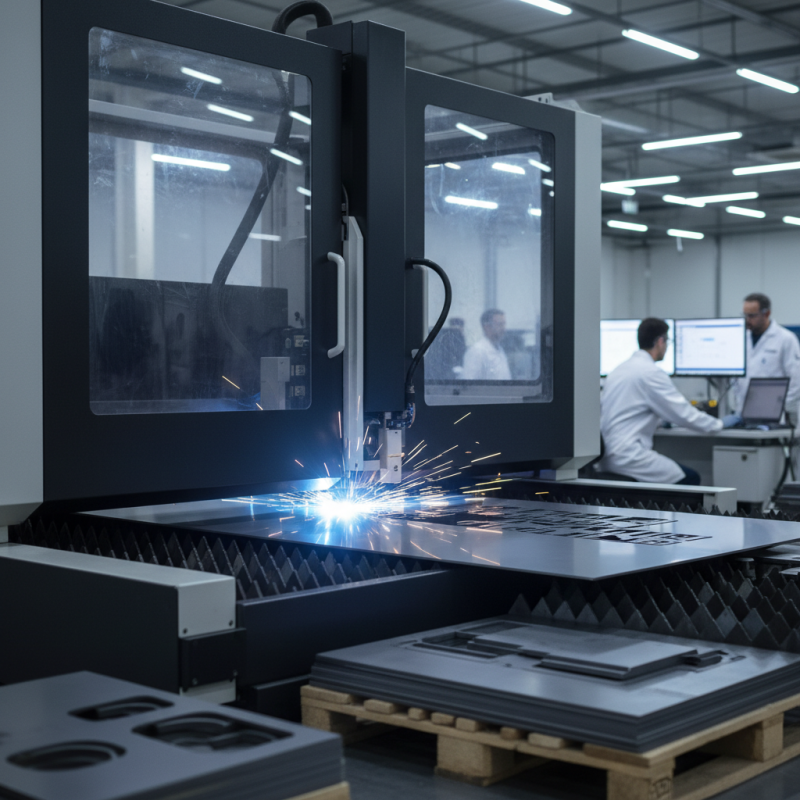
A fiber laser cutting machine is an advanced tool widely used in the manufacturing sector. It utilizes a fiber laser to cut materials with high precision and efficiency. The technology has gained popularity due to its ability to cut metals, including steel, aluminum, and brass, with remarkable speed and accuracy. According to a report by MarketsandMarkets, the fiber laser cutting machine market is projected to reach USD 5.4 billion by 2025, reflecting a compound annual growth rate of 12.5%.
The machine’s operation involves a laser beam generated by optical fibers. This beam is focused onto the material's surface, generating extreme heat that melts or vaporizes the material. A high-pressure gas then assists in removing the molten material, leaving behind a clean edge. This process enhances productivity, as fiber lasers can cut through thicker materials faster than traditional methods. However, it requires a skilled operator to ensure optimal settings.
Despite its advantages, the technology faces challenges. The initial investment for fiber laser systems can be high. Moreover, maintenance demands specialized knowledge. In some cases, operators might struggle with specific materials that are less suited for fiber cutting. Continual advancements are essential to keep up with diverse production needs. The industry is evolving, and adaptations are crucial for maximizing efficiency.
| Property | Value |
|---|---|
| Laser Type | Fiber Laser |
| Max Power | 3000W - 12000W |
| Cutting Thickness | Up to 25 mm for carbon steel |
| Cutting Speed | 10-30 m/min |
| Table Size | 1500 mm x 3000 mm |
| Cooling System | Water Cooling |
| Software Compatibility | AutoCAD, SolidWorks, and more |
| Application Industries | Automotive, Aerospace, Metal Fabrication |
| Power Supply | 380V/50Hz/3PH |
Fiber laser cutting machines are revolutionizing the metal fabrication industry. At the core of these machines are several key components that contribute to their efficiency and precision. The most crucial part is the fiber laser resonator, which generates the laser beam. This resonator converts electrical energy into light energy, producing a high-quality beam suitable for cutting various materials.
Another important component is the fiber optic cable, which transmits the laser beam to the cutting head. This cable allows for flexible machine designs, enabling compact setups that aren’t possible with traditional systems. A report by Research and Markets indicates that the global market for fiber laser cutting machines is expected to grow at a CAGR of over 7% through 2026, showcasing their increasing demand in industries like automotive and aerospace.
The cutting head itself is equipped with various lenses and mirrors to focus the beam on the material. Proper alignment of these components is essential to achieve optimal cutting performance. However, some challenges remain. Operators must regularly calibrate and maintain these components to prevent issues like reduced cutting quality. Reports suggest that up to 10% of cutting failures can be attributed to misalignment or wear in cutting heads, underscoring the need for professional training and ongoing maintenance.
Fiber laser cutting technology utilizes a focused beam of laser light to cut through materials with precision. The laser beam is generated by a fiber-optic cable and is then concentrated using specialized optics. This method allows for extremely fine cuts that traditional cutting methods struggle to achieve. The energy from the laser melts or vaporizes the material, creating a clean edge.
When operating a fiber laser cutting machine, a computer controls the movement of the laser head. This offers high speed and accuracy, allowing intricate designs to be produced efficiently. The machine can cut through various materials, including metals and plastics. The advantage here is the reduced heat-affected zone, which minimizes warping and distortion in the material being cut. However, operators must be aware of the machine's limits in terms of thickness and material type.
Despite its efficiency, challenges do exist. The precision of the fiber laser cutting process requires careful calibration and maintenance. Factors like lens cleanliness and alignment can impact performance. Operators should continuously monitor these aspects to ensure optimal operation. Moreover, understanding the interaction between the laser and material is vital. Each material reacts differently, and experimenting can yield varying results. This reflects the need for ongoing learning in the field.
This bar chart illustrates the performance metrics of a typical fiber laser cutting machine, including cutting speed in mm/min, power consumption in kW, maximum material thickness it can cut in mm, and maintenance frequency per year.
Fiber laser cutting technology has found its place in various industries, thanks to its precision and efficiency. Used in manufacturing, automotive, and electronics, this technology excels in cutting a wide array of materials. According to a report by MarketsandMarkets, the global fiber laser market is expected to reach $4.4 billion by 2026, highlighting its growing significance. These machines can cut metals like steel and aluminum quickly and cleanly, resulting in fewer production delays and lower waste.
In the automotive industry, for example, fiber lasers are utilized for cutting intricate parts. This allows for greater design flexibility and improved manufacturing processes. Aerospace manufacturers also rely on this technology for its ability to maintain accuracy over long production runs. Furthermore, the technology supports eco-friendly practices by minimizing energy consumption compared to traditional cutting methods. However, maintaining the right settings can be challenging. Operators must frequently adjust parameters to optimize performance and avoid issues like burn marks or excessive dross.
In electronics, precision is critical. Fiber lasers can produce detailed cuts required for circuit boards and components. A study by Grand View Research indicated that the electronics sector is a significant driver of fiber laser adoption. As industries increasingly demand faster and more precise cutting, the importance of mastering this technology will only grow. The balance between efficiency and quality continues to pose challenges, necessitating ongoing operator training.
Fiber laser cutting machines are revolutionizing the industrial landscape. The advantages they provide significantly enhance manufacturing efficiency. According to a report by the International Laser Display Association, the fiber laser market is expected to grow at a CAGR of 12% from 2022 to 2028. This growth highlights the increasing reliance on fiber laser technology in various applications.
One key benefit is precision. Fiber lasers deliver clean cuts with minimal material waste. This precision leads to reduced operational costs, as manufacturers can maximize raw material usage. In fact, a study by the American Society of Mechanical Engineers indicates that fiber laser systems can cut operating costs by up to 30%. Moreover, these machines operate at higher speeds compared to traditional cutting methods, which improves overall production times.
Another critical advantage is versatility. Fiber lasers can cut through a wide range of materials, including metals, plastics, and ceramics. This flexibility makes them an asset in industries like aerospace and automotive. However, it’s essential to recognize that not all materials respond equally to fiber laser cutting. Some materials may require specific settings or pre-treatment to achieve optimal results. As manufacturers integrate this technology, ongoing training and adjustments may be necessary to fully leverage its capabilities.