For support and service of your machinery, Stiles has experts available 24/7 to help reduce downtime and get you back in action.
Technical Support: 616-698-6615
Service & Repairs: 616-698-7500
24/7 Parts: 1-800-727-8780
sale@inlandmachineokc.com
Parts are available from Stiles 24 hours a day, seven days a week, and are shipped from our Grand Rapids, Michigan fulfillment center.
24/7 Parts: 800-727-8780

With a customized Stiles University course, we can provide expert training for your team, on-location. Whether it's programming, operation or maintenance, we want to help you train your personnel to meet your production goals efficiently and effectively.

Experience the trusted workforce development training and machinery knowledge you rely on from Stiles University, now at your convenience. With technology changing every day and new methods being developed constantly, Stiles University Online has the latest information and training content available at your fingertips.
616-698-7500

Do you want to produce more efficiently? Processes and flows are key. We optimize these together with you, re-organize them and make sure that you reduce your lead time and save costs. This enables you to implement customized manufacturing and achieve your business goals.

Industrialized construction is evolving. Automation, robotics and advanced technology are raising the level of productivity, efficiency and precision for builders in North America.

Stiles Machinery is at the forefront of providing technology and machining for producing high quality mass timber. Automated solutions for your mass timber production can increase your manufacturing quality and productivity.

Project management services from Stiles make it easy to streamline your entire project— from concept and consultation to integration and implementation.
For support and service of your machinery, Stiles has experts available 24/7 to help reduce downtime and get you back in action.
Technical Support: 616-698-6615
Service & Repairs: 616-698-7500
24/7 Parts: 1-800-727-8780
sale@inlandmachineokc.com
Parts are available from Stiles 24 hours a day, seven days a week, and are shipped from our Grand Rapids, Michigan fulfillment center.
24/7 Parts: 800-727-8780

With a customized Stiles University course, we can provide expert training for your team, on-location. Whether it's programming, operation or maintenance, we want to help you train your personnel to meet your production goals efficiently and effectively.

Experience the trusted workforce development training and machinery knowledge you rely on from Stiles University, now at your convenience. With technology changing every day and new methods being developed constantly, Stiles University Online has the latest information and training content available at your fingertips.
616-698-7500

Do you want to produce more efficiently? Processes and flows are key. We optimize these together with you, re-organize them and make sure that you reduce your lead time and save costs. This enables you to implement customized manufacturing and achieve your business goals.

Industrialized construction is evolving. Automation, robotics and advanced technology are raising the level of productivity, efficiency and precision for builders in North America.

Stiles Machinery is at the forefront of providing technology and machining for producing high quality mass timber. Automated solutions for your mass timber production can increase your manufacturing quality and productivity.

Project management services from Stiles make it easy to streamline your entire project— from concept and consultation to integration and implementation.
For support and service of your machinery, Stiles has experts available 24/7 to help reduce downtime and get you back in action.
Technical Support: 616-698-6615 Service & Repairs: 616-698-7500 24/7 Parts: 1-800-727-8780
Parts are available from Stiles 24 hours a day, seven days a week, and are shipped from our Grand Rapids, Michigan fulfillment center.
24/7 Parts: 800-727-8780For support and service of your machinery, Stiles has experts available 24/7 to help reduce downtime and get you back in action.
Technical Support: 616-698-6615 Service & Repairs: 616-698-7500 24/7 Parts: 1-800-727-8780
Parts are available from Stiles 24 hours a day, seven days a week, and are shipped from our Grand Rapids, Michigan fulfillment center.
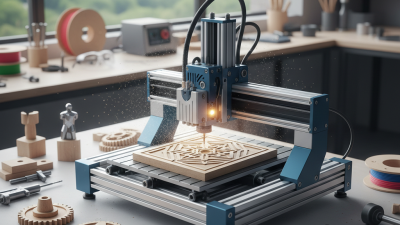
24/7 Parts: 800-727-8780The CNC wood router has revolutionized woodworking, allowing for unparalleled precision and creativity. According to a recent industry report by Technavio, the CNC wood router market is projected to grow by over 21% from 2022 to 2026. This surge indicates increasing adoption by both professionals and hobbyists looking for high-quality craftsmanship in their projects.
As industry expert Mark Johnson states, "The CNC wood router opens a world of possibilities for detail and design that was previously unattainable." This technology enables woodworkers to create intricate patterns and shapes with ease. However, achieving perfection requires practice and a keen eye for detail. Many users find themselves grappling with the complexities of machine settings and material selection.
While the CNC wood router offers immense potential, mistakes can happen. Incorrect settings may lead to unsatisfactory results, such as rough edges or misaligned cuts. Acknowledging these challenges prepares woodworkers for the learning curve ahead. Embracing both the technology's power and its pitfalls allows for better outcomes and true craftsmanship in every project.
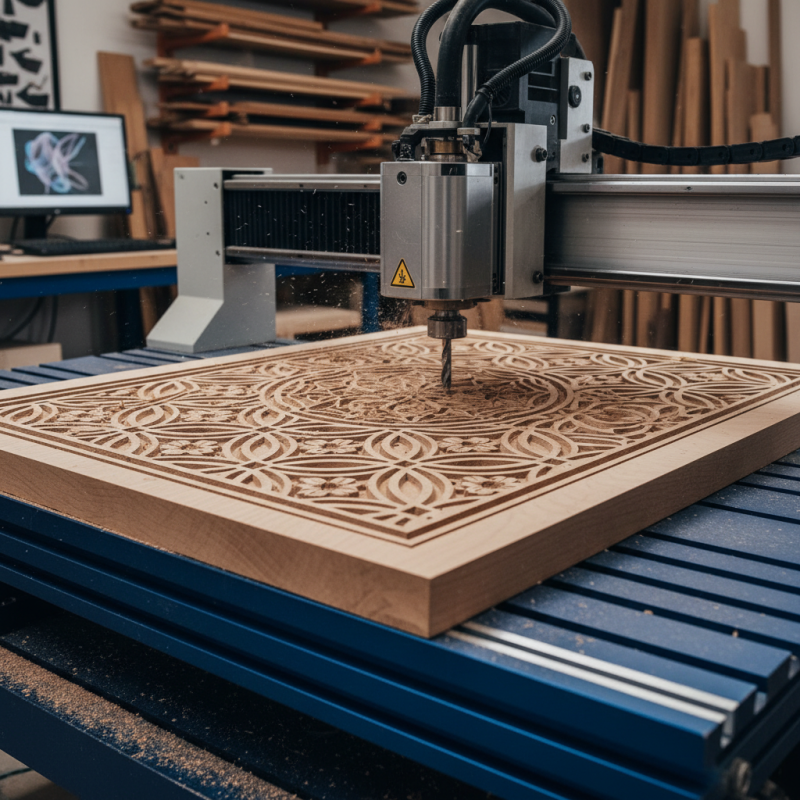
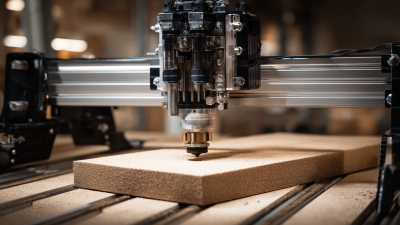
CNC wood routers are fascinating tools. They use computer-controlled systems to carve and cut wood with precision. Understanding their functionality is vital for any woodworking enthusiast. These machines operate on a three-axis system: X, Y, and Z. The X and Y axes move the router horizontally, while the Z axis controls the depth of cut. This allows for intricate designs and consistent results.
Setting up a CNC wood router requires careful attention. You need to prepare the wood and secure it firmly. An unsteady piece can ruin an entire project. Take your time to input designs accurately. A small mistake in measurements may lead to disappointing outcomes. Experimenting with different speeds and feeds is essential. It’s common to face trial and error when starting. Observing the cuts can teach valuable lessons about bit selection and material properties.
Maintenance is another key aspect. Regularly checking for wear on the bits and the machine can help avoid issues. Failure to do so may result in subpar performance. Learning how to clean and calibrate your CNC router will enhance its lifespan. Patience is crucial during this process. Each project is a stepping stone to improvement, and understanding the little flaws can lead to greater mastery.

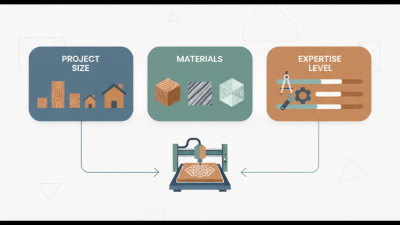
Choosing the right CNC wood router is crucial for any project. There are various factors to consider, such as size, power, and features. Start by assessing the types of projects you plan to undertake. A larger machine may be necessary for big or intricate designs. Always check the specifications to ensure it meets your needs.
Look for a router with a robust motor. A powerful motor allows for smoother cutting on tough materials. However, too much power can cause issues with small, delicate pieces. You might struggle with precision if the router is overly powerful. Consider models with adjustable speeds for greater versatility.
Don’t forget about software compatibility. Your CNC router should work seamlessly with design software. Some routers may require specific programs. If your software doesn’t match, it could lead to errors. You might end up wasting materials on flawed cuts. Always do your research to prevent frustrations down the line.
| Feature | Description | Importance |
|---|---|---|
| Router Type | Determine between fixed base or plunge router for your project needs. | High |
| Motor Power | Look for a router with sufficient wattage for faster cutting. | High |
| Spindle Speed | Opt for variable speed settings for versatility with different materials. | Medium |
| Cutting Area | Ensure the working area suits the size of the projects anticipated. | High |
| Ease of Use | Choose a user-friendly interface or software compatibility. | Medium |
| Material Compatibility | Check if the router can handle various wood types and composites. | High |
| Budget | Evaluate options within your financial range to avoid overspending. | Medium |
Selecting the right wood is crucial for any CNC wood routing project. Different types of wood yield varying aesthetics and strengths. For example, hardwoods like maple and oak are known for their durability. These woods resist wear and provide excellent finishes, making them ideal for intricate designs. However, they can be more challenging to work with. Softer woods, such as pine, are easier to carve but may not hold up as well over time. According to industry reports, over 59% of woodworkers indicate that material choice directly affects the outcome of their projects.
It’s also essential to properly prepare your wood before routing. This involves ensuring it is free of moisture, as excess humidity can warp your material. Properly dried wood usually has a moisture content of around 6-8%. This level is ideal for precision work. Additionally, setting up your CNC machine correctly helps avoid mistakes. Misalignment can lead to uneven cut lines, leaving you with projects that don’t match your vision. Interestingly, a study found that nearly 25% of woodworkers encounter issues due to poor setup, underscoring the need for careful preparation.
Using a CNC wood router can elevate your woodworking projects. Yet, mastering programming and routing techniques isn’t easy. Studies show that about 30% of beginner users struggle with programming their CNC machines. Clear instructions are crucial.
Start with the right software to create your design. Ensure your design fits within the machine's dimensions. This step is often overlooked, leading to wasted material. It’s essential to double-check your measurements before cutting. Many beginners skip this, resulting in errors that can be costly. Adjusting tool paths may be necessary, as CNC routing is not always perfectly accurate.
When it comes to actual routing, feed rates play a vital role. A slower feed rate can lead to cleaner cuts, but it increases project time. According to industry data, an ideal balance is about 30 inches per minute for hardwoods. Experimentation is key; every wood type interacts differently with bits. Finally, always pay attention to bit wear. Dull bits can ruin your project, causing uneven edges. Each routing project is a chance to learn and improve your technique.
Finishing touches play a critical role in CNC wood projects. After routing, every piece requires sanding to achieve a smooth surface. Studies show that 80% of users find sanding vital for a professional look. This step can make or break your final project quality.
Consider the grit of sandpaper. Start with a coarse grit and gradually move to finer grits. Use 80-grit for initial smoothing and finish with 220-grit. A common mistake is rushing this process. Skipping steps can lead to uneven surfaces that are noticeable upon sealing. Dust and residue leftover from routing often affect adhesion, making thorough cleaning essential.
Sealing is another significant step. Choosing the right finish can enhance the wood's natural beauty. Water-based finishes are popular, as they dry quickly and offer good protection. However, some users report issues with uneven application. Applying too thick a layer can lead to bubbles or streaks. Multiple thin coats often work better. Ensuring proper ventilation is also crucial, as this affects drying time.
Inadequate preparation can result in peeling or bubbling finishes. Always test your chosen sealer on a small area first. This small test can save you frustration later. With the right attention to sanding and sealing, your CNC projects will stand out beautifully.