
-
-
-
-
-
-

With a customized Stiles University course, we can provide expert training for your team, on-location. Whether it's programming, operation or maintenance, we want to help you train your personnel to meet your production goals efficiently and effectively.
-

Experience the trusted workforce development training and machinery knowledge you rely on from Stiles University, now at your convenience. With technology changing every day and new methods being developed constantly, Stiles University Online has the latest information and training content available at your fingertips.
-
-
-

Do you want to produce more efficiently? Processes and flows are key. We optimize these together with you, re-organize them and make sure that you reduce your lead time and save costs. This enables you to implement customized manufacturing and achieve your business goals.
-

Industrialized construction is evolving. Automation, robotics and advanced technology are raising the level of productivity, efficiency and precision for builders in North America.
-

Stiles Machinery is at the forefront of providing technology and machining for producing high quality mass timber. Automated solutions for your mass timber production can increase your manufacturing quality and productivity.
-

Project management services from Stiles make it easy to streamline your entire project— from concept and consultation to integration and implementation.
-



-
-
-
-
-
-
With a customized Stiles University course, we can provide expert training for your team, on-location. Whether it's programming, operation or maintenance, we want to help you train your personnel to meet your production goals efficiently and effectively.
-
Experience the trusted workforce development training and machinery knowledge you rely on from Stiles University, now at your convenience. With technology changing every day and new methods being developed constantly, Stiles University Online has the latest information and training content available at your fingertips.
-
-
-
Do you want to produce more efficiently? Processes and flows are key. We optimize these together with you, re-organize them and make sure that you reduce your lead time and save costs. This enables you to implement customized manufacturing and achieve your business goals.
-
Industrialized construction is evolving. Automation, robotics and advanced technology are raising the level of productivity, efficiency and precision for builders in North America.
-
Stiles Machinery is at the forefront of providing technology and machining for producing high quality mass timber. Automated solutions for your mass timber production can increase your manufacturing quality and productivity.
-
Project management services from Stiles make it easy to streamline your entire project— from concept and consultation to integration and implementation.
-
What is a CNC Wood Router and How Does it Work?
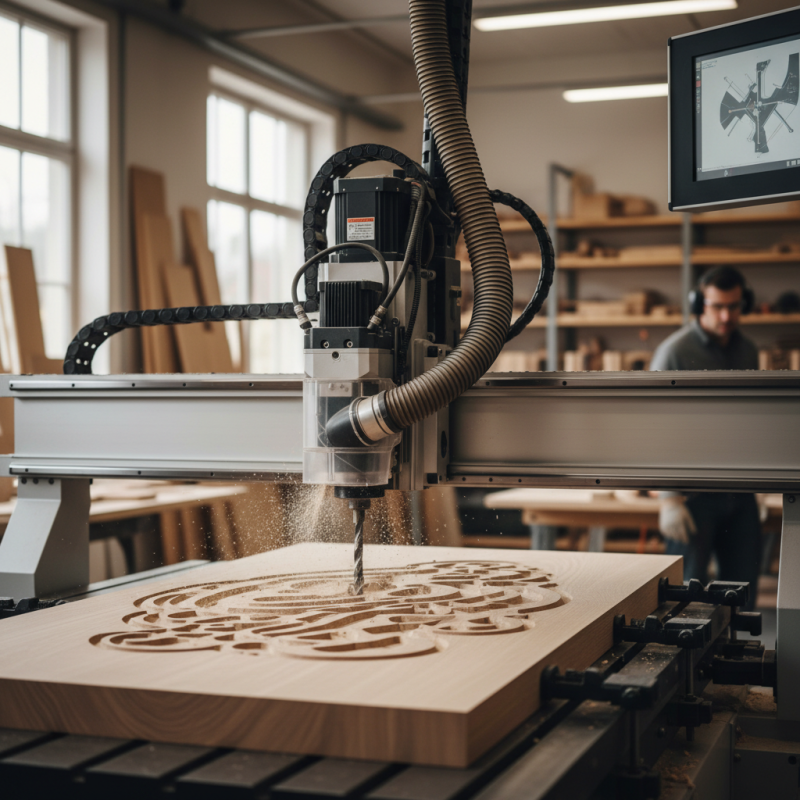
A CNC wood router is a powerful tool used in woodworking and manufacturing. It automates the process of cutting and shaping wood with precision. This machine utilizes computer numerical control (CNC) technology to follow designs with accuracy. The CNC wood router can create intricate patterns and shapes that would be difficult to achieve by hand.
Understanding how a CNC wood router works is essential for anyone interested in woodworking or design. It involves programming the router to read specific designs and execute them with high consistency. The use of various bits allows users to carve, engrave, and drill into wood surfaces. The versatility of this tool makes it popular among hobbyists and professionals alike.
However, it is crucial to note that operating a CNC wood router requires skill and knowledge. Mistakes in programming or setup can lead to poor results. Users must be mindful of safety practices and machine maintenance. Regularly checking the machine for wear can prevent accidents and ensure reliability. Embracing both the capabilities and challenges of the CNC wood router will lead to better woodworking outcomes.
What is a CNC Wood Router?
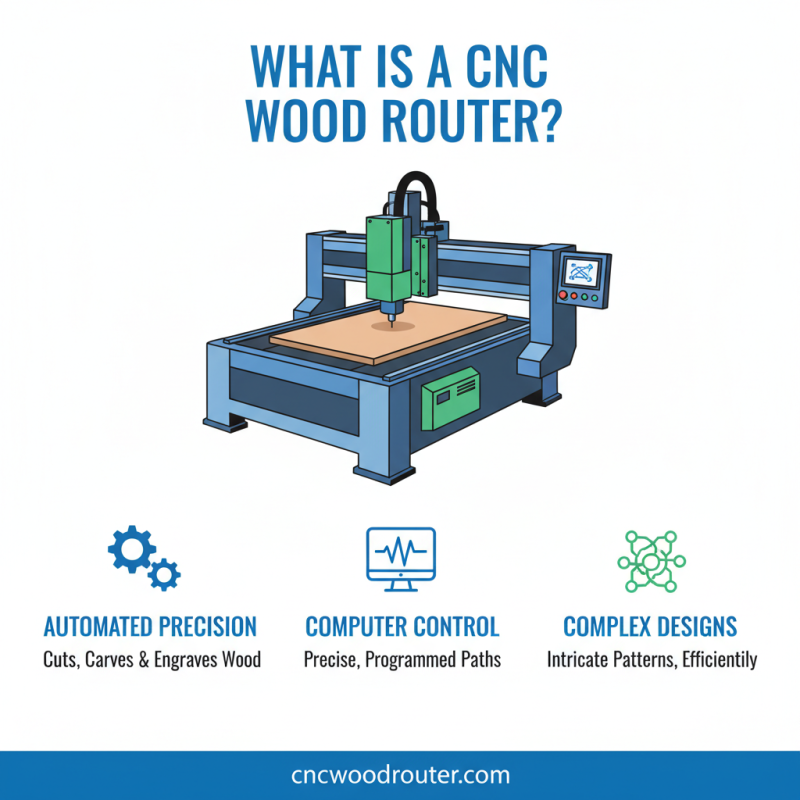
A CNC wood router is a versatile tool designed to automate the cutting, carving, and engraving of wood. This machine uses computer numerical control (CNC) technology to precisely guide the cutting bits along programmed paths. Operators input designs via software, which the router follows meticulously. As a result, intricate patterns and shapes can be created efficiently.
These routers are equipped with various bits to handle different tasks. For instance, a straight bit is ideal for cutting, while a ball end bit excels at carving details. The router's ability to work with various materials increases its functionality, catering to both professionals and hobbyists. However, programming errors can lead to miscuts. It's vital for users to double-check their designs to prevent waste.
Operating a CNC wood router requires a learning curve. Familiarity with both the software and hardware is essential. New users often encounter challenges in setting up and calibrating machines. Testing is crucial before final production runs. With practice, these obstacles can be overcome, leading to remarkable results in woodworking projects.
Related Posts
-
The Best CNC Mill Types for Your Machining Needs?
-
Revolutionizing Furniture Manufacturing: How Edge Banding Machines Enhance Production Efficiency
-
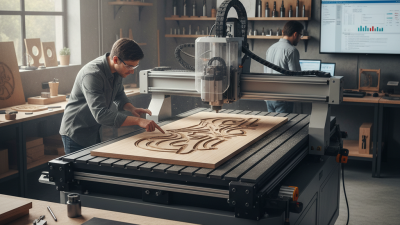
How to Choose the Best CNC Router for Your Projects?
-
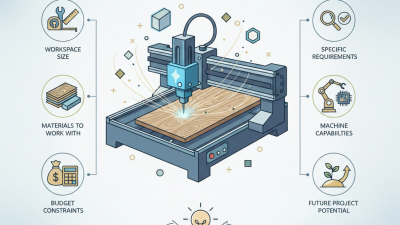
10 Essential Tips for Choosing the Right CNC Router for Your Projects
-
The Future of Manufacturing How CNC Machining Parts Revolutionize Production Processes
-

2026 How to Choose the Right CNC Mill for Your Workshop Needs?