
-
-
-
-
-
-

With a customized Stiles University course, we can provide expert training for your team, on-location. Whether it's programming, operation or maintenance, we want to help you train your personnel to meet your production goals efficiently and effectively.
-

Experience the trusted workforce development training and machinery knowledge you rely on from Stiles University, now at your convenience. With technology changing every day and new methods being developed constantly, Stiles University Online has the latest information and training content available at your fingertips.
-
-
-

Do you want to produce more efficiently? Processes and flows are key. We optimize these together with you, re-organize them and make sure that you reduce your lead time and save costs. This enables you to implement customized manufacturing and achieve your business goals.
-

Industrialized construction is evolving. Automation, robotics and advanced technology are raising the level of productivity, efficiency and precision for builders in North America.
-

Stiles Machinery is at the forefront of providing technology and machining for producing high quality mass timber. Automated solutions for your mass timber production can increase your manufacturing quality and productivity.
-

Project management services from Stiles make it easy to streamline your entire project— from concept and consultation to integration and implementation.
-



-
-
-
-
-
-
With a customized Stiles University course, we can provide expert training for your team, on-location. Whether it's programming, operation or maintenance, we want to help you train your personnel to meet your production goals efficiently and effectively.
-
Experience the trusted workforce development training and machinery knowledge you rely on from Stiles University, now at your convenience. With technology changing every day and new methods being developed constantly, Stiles University Online has the latest information and training content available at your fingertips.
-
-
-
Do you want to produce more efficiently? Processes and flows are key. We optimize these together with you, re-organize them and make sure that you reduce your lead time and save costs. This enables you to implement customized manufacturing and achieve your business goals.
-
Industrialized construction is evolving. Automation, robotics and advanced technology are raising the level of productivity, efficiency and precision for builders in North America.
-
Stiles Machinery is at the forefront of providing technology and machining for producing high quality mass timber. Automated solutions for your mass timber production can increase your manufacturing quality and productivity.
-
Project management services from Stiles make it easy to streamline your entire project— from concept and consultation to integration and implementation.
-
Top 10 CNC Router Machine Features You Should Know Before Buying
When considering the purchase of a CNC router machine, it is essential to be informed about the various features that can significantly impact your operational efficiency and overall results. As these machines have revolutionized the manufacturing and woodworking industries, understanding their capabilities and specifications will empower you to make an informed decision. In a landscape where precision and versatility are paramount, selecting the right CNC router machine can determine the success of your projects, whether you're a hobbyist or a professional.
In this guide, we will explore the top ten features that you should be aware of before making a purchase. From spindle power to software compatibility, each aspect plays a crucial role in the performance and utility of the CNC router machine. By delving into these features, you'll gain insights that not only enhance your understanding of the machine but also help you identify the best fit for your specific needs and applications.
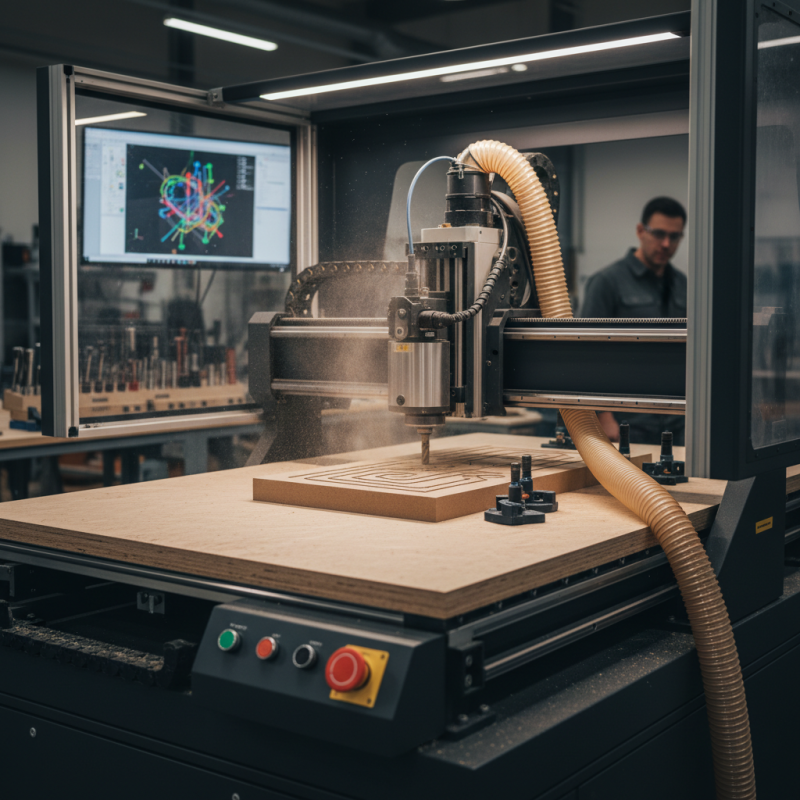
Key Features of CNC Router Machines: A Comprehensive Overview
When considering the purchase of a CNC router machine, understanding its key features is crucial for making an informed decision. One of the most important aspects to consider is the machine's cutting area. The size of the work area will determine the maximum dimensions of the materials you can handle, impacting the projects you can undertake. Additionally, the machine's spindle speed and power are vital, as they directly affect the cutting efficiency and the ability to work with various materials, from softwoods to harder composites.
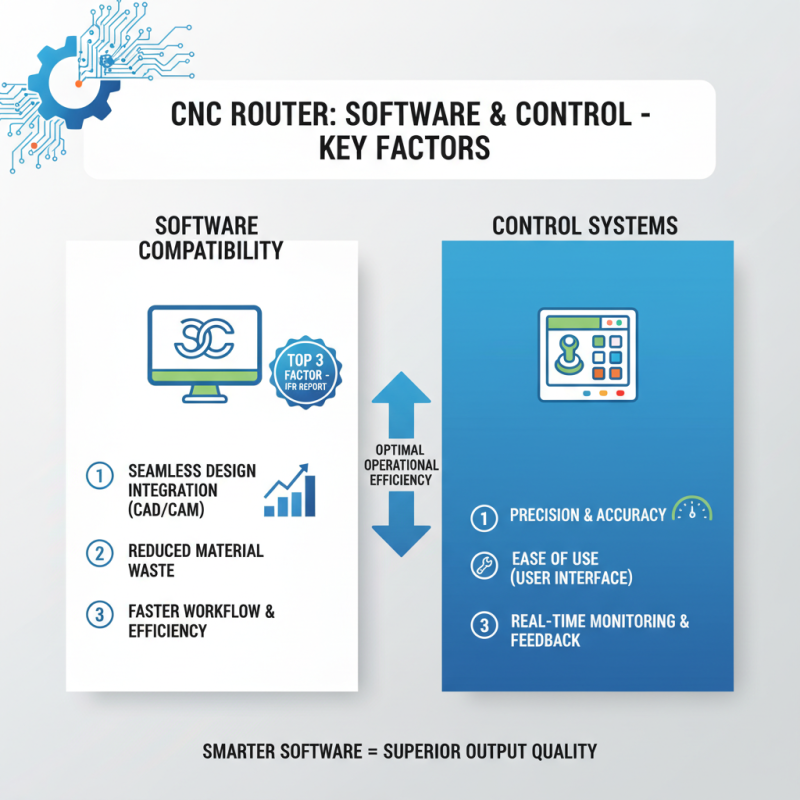
Another critical feature is the control system. A user-friendly interface and compatibility with different CAD/CAM software can significantly enhance the workflow. Moreover, look for machines that offer adjustable feed rates and cutting depths, allowing for greater versatility in your projects. Stability and build quality also play a vital role; a robust construction minimizes vibrations, leading to more precise cuts and a longer lifespan for the machine. Each of these features contributes to the overall performance and usability of the CNC router, making it essential to evaluate them carefully based on your specific needs and applications.
Top 10 CNC Router Machine Features You Should Know Before Buying
| Feature | Description | Importance |
|---|---|---|
| Spindle Power | Refers to the motor's capability to cut through various materials. | High |
| Work Area Size | The maximum dimensions of material that can be processed. | Medium |
| Control System | The software and hardware used to operate the CNC machine. | High |
| Material Compatibility | Ability of the router to handle different materials like wood, acrylic, and metals. | High |
| Precision and Accuracy | Degree to which the machine can perform tasks consistently. | High |
| Speed of Operation | Rate at which the CNC router can complete a task. | Medium |
| Ease of Use | How user-friendly the interface and controls are. | Medium |
| Durability | The longevity of the machine under regular use. | High |
| Cost | Overall price of the machine including features. | Medium |
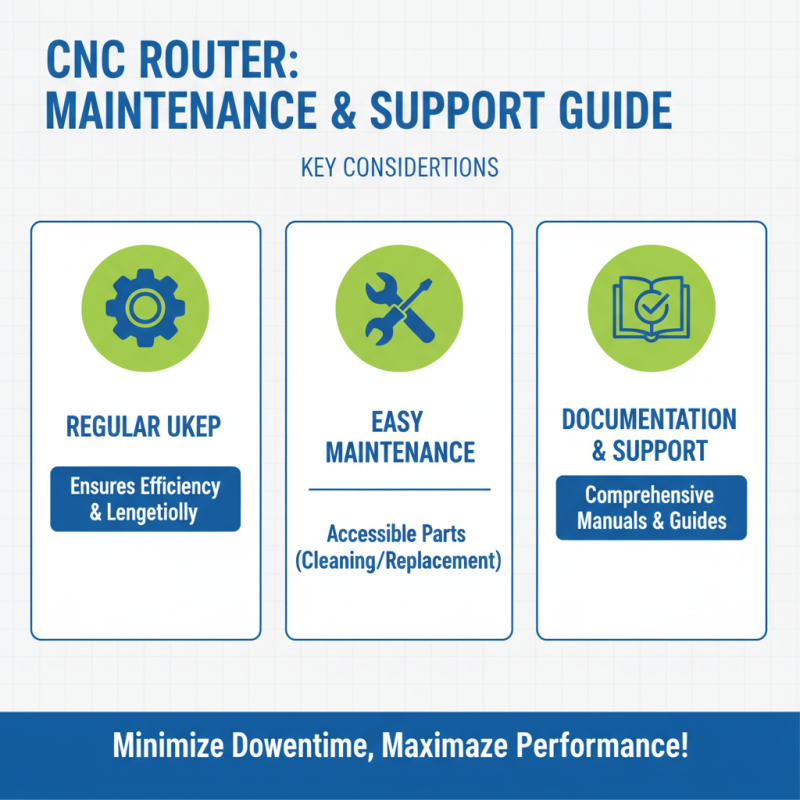
| Support and Service | Availability of customer support and maintenance service. | High |
Related Posts
-
Exploring the Amazing World of CNC Routers for DIY Enthusiasts
-
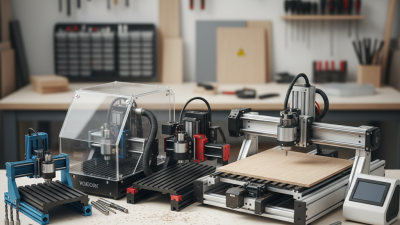
Top 5 CNC Router Kits for Precision Crafting and DIY Projects
-
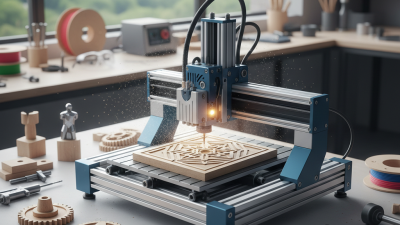
Top 5 CNC Router Kits for Ultimate Precision and DIY Projects in 2023
-
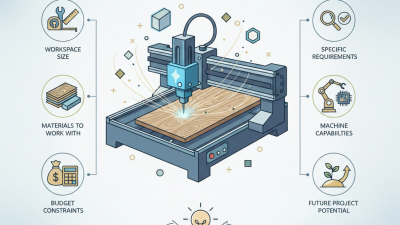
10 Essential Tips for Choosing the Right CNC Router for Your Projects
-

2025 Top 5 Rotary Screw Air Compressors for Enhanced Performance
-
Unlocking Precision: How Small CNC Machines Revolutionize DIY Projects and Prototyping