

Skip to content

How to Choose TWS Wireless Earbuds in 2026?

Choosing Tws Wireless Earbuds in 2026 means looking beyond sleek cases and bold battery claims. Start with your routine. A commuter may value steady noise cancellation and controls that work through gloves. Someone taking calls in a busy café needs clear microphones, not just a high Bluetooth version. Small details matter: how the case fits a pocket, whether the buds stay secure, and how easily you can clean them.

Audio researcher Sean Olive’s headphone research emphasizes listener preference. A concise paraphrase of that principle is: “Choose the sound you enjoy, not the specification sheet that looks impressive.” Treat it as a useful guide, not a direct quotation. Compare models with familiar music, and listen for sharp treble, muddy vocals, or bass that overwhelms everything else. If possible, test the fit for several minutes. A comfortable seal can change both sound and noise isolation.

Then check practical features: multipoint pairing, app support, repair or replacement options, and realistic battery performance with noise cancellation enabled. Read recent reviews that describe actual use, not only laboratory measurements. Specs can help narrow a shortlist. They cannot predict how every ear will respond. No perfect pick exists. Even careful testing leaves some uncertainty, and that is worth admitting. This guide will help you weigh comfort, sound, calls, durability, and price—so your choice fits real days, not just a product page.
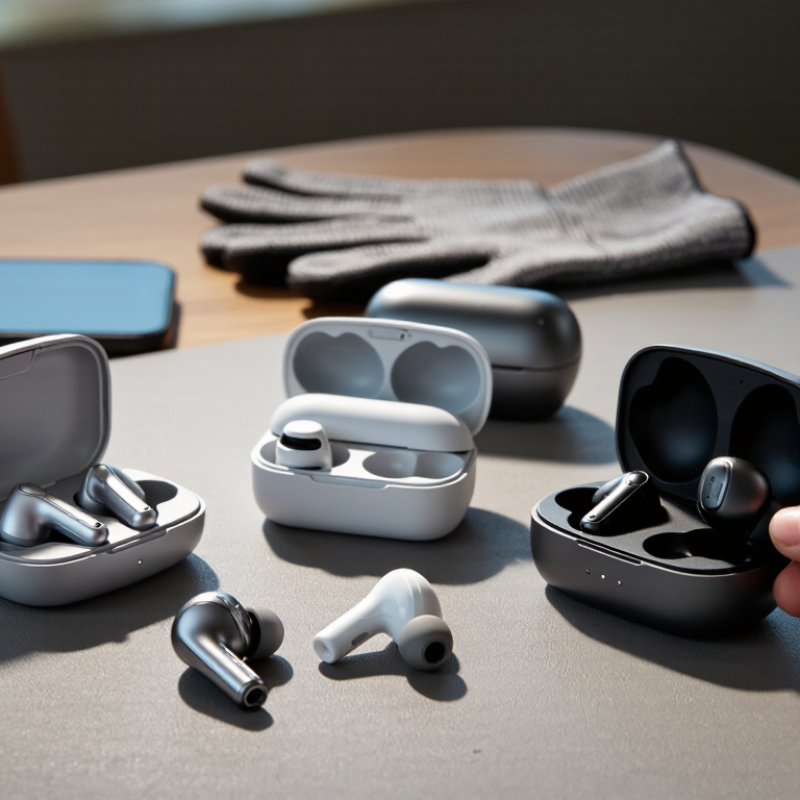
How to Choose TWS Wireless Earbuds in 2026?

Define Your Listening Needs, Priorities, and Budget

How to Choose TWS Wireless Earbuds in 2026?

Define Your Listening Needs, Priorities, and Budget

Before comparing features, picture an ordinary day with your earbuds. Do you listen on a noisy bus, during calls, or at a desk? For commuting, noise cancellation may matter more than studio-style sound. For frequent calls, check microphone performance in windy or busy places. Comfort matters. A small earbud that feels secure after an hour can be more useful than a feature-packed pair that keeps slipping out.

Decide which two or three qualities matter most, such as fit, battery life, clear calls, or easy controls. Then set a realistic budget before browsing. Check what comes in the box, including different ear tips, and read recent reviews for recurring comfort or connection issues. Specifications can guide you, but they cannot predict how an earbud will feel in your own ear. I still find fit surprisingly hard to judge from pictures.

Tips: Write down your main listening situations and your maximum price. Try a pair on, if possible, and wear it for several minutes. Keep it simple. If a model meets your needs without stretching your budget, extra features may not be worth paying for.

Compare Earbud Fit, Comfort, and Design

When choosing TWS earbuds in 2026, start with fit, not a feature list. Ear shapes vary, so the same shell can feel secure to one person and irritating to another. Try several tip sizes, then gently shake your head and speak. They should stay in place without pressure. A tight seal can improve sound and passive noise reduction, but soreness after ten minutes is a warning.

Comfort needs a longer test. Wear the earbuds for at least half an hour, including while walking or taking a call. Notice heat, rubbing, and whether the outer body presses against your ear. Small details count. If the case has bulky stems or a slippery lid, daily handling may become annoying. Check that each bud is easy to remove, especially with damp hands; this is easy to overlook until a rushed commute.

Design also affects where and how you use them. A low-profile shape may work better under a hat, while touch controls can misfire when you adjust a bud. Look for clear left-right markings and a case that fits your pocket. Do not assume the lightest option will be the most comfortable; balance and pressure matter too. Your ears are the final test, and comfort can change over a full day.

How to Choose TWS Wireless Earbuds in 2026? - Compare Earbud Fit, Comfort, and Design

Earbud design How it fits Comfort considerations Stability Sound isolation Good fit for What to check before buying
In-ear with silicone tips A soft tip sits inside the ear canal and helps form a seal. A secure seal can feel comfortable, but pressure or irritation may occur if the tip size or shape does not suit your ears. Usually secure when the tips fit well; movement can loosen an imperfect seal. Typically stronger passive isolation than open-fit designs because the tip seals the ear canal. Commuting, focused listening, and people who prefer a snug, sealed fit. Check whether multiple tip sizes are included and whether replacement tips are available.
In-ear with stabilizing wing or fin A tip enters the ear canal while a small wing rests against the outer ear for extra support. The added contact point can improve hold, though a poorly matched wing may create pressure during long wear. Often stays in place better during movement than a similar earbud without a wing, provided the wing fits the ear. Usually offers passive isolation similar to other well-sealed in-ear designs. Exercise and active use, especially for listeners who find standard in-ear buds unstable. Check the wing size options and whether the design feels comfortable with glasses or other ear accessories.
Semi-in-ear or open-fit stem design Rests at the entrance of the ear without a silicone tip sealing the canal. Some people prefer the less-sealed sensation; fit can be less predictable because ear shapes vary. Can shift or loosen during vigorous movement if the outer-ear shape does not hold the bud securely. Generally allows more environmental sound in than a sealed in-ear fit. Everyday listening for people who dislike ear-canal tips and want to remain more aware of nearby sounds. If possible, try the shape first; check that it stays seated without needing constant adjustment.
Open-ear ear-hook design A hook rests around the outer ear, with the speaker positioned near the ear rather than sealing the canal. Avoids an in-canal tip, but the hook can press on the ear or feel bulky, especially with glasses. The hook can help keep the earbuds attached during movement; fit still depends on ear shape and hook design. Provides little physical isolation because the ear canal remains open. Outdoor activities and situations where awareness of surrounding sounds is important. Check hook flexibility, overall weight, glasses compatibility, and how clearly audio can be heard in noisy places.

Fit and comfort vary by ear shape. For the most reliable comparison, try the earbuds with the correct tips or supports, wear them for several minutes, and check for pressure, slipping, and a consistent seal.

Assess Sound Quality, Noise Cancellation, and Call Performance

Sound quality starts with a secure fit. Loose earbuds often sound thin, especially in the bass. Listen at your usual volume. Check whether vocals remain clear, cymbals sound crisp, and bass notes feel controlled rather than boomy. Try several music styles you know well, not just a dramatic demo track. A phone’s equalizer can change the result, so keep settings consistent when comparing models. Small differences may be hard to judge in a noisy shop.

Noise cancellation works best when you test it against sounds you actually encounter. Play steady background noise, such as a fan or train recording, at a safe volume. Notice whether the earbuds reduce low rumbles without making voices or pressure changes distracting. Also check the transparency mode outdoors or in a quiet room. It should let nearby speech through naturally. A quick demonstration can mislead; fit, ear shape, and software settings all affect performance.

Call quality needs a separate test. Record a short voice memo near a running fan, then listen for muffling, dropouts, and harsh processing. If possible, ask someone to call while you walk outside. Wind can expose weaknesses that a quiet room hides. Check that your voice stays understandable when you turn your head, too. Specifications help narrow choices, but they cannot predict every ear or environment. That part is frustrating.

Check Battery Life, Connectivity, and Device Compatibility

A good pair of TWS earbuds should last through your real day, not just a laboratory test. Compare advertised playback time with the time available when noise cancellation is on. Check whether the charging case adds several full recharges, and whether a short charge can cover your commute. Battery claims vary with volume, call use, and temperature. I still find the small print easy to overlook.

Connectivity matters just as much. The Bluetooth SIG’s 2024 Market Update reports 5.4 billion Bluetooth device shipments in 2023 and projects 7.5 billion annually by 2028. That broad market figure is not an earbud ranking, but it shows why stable connections across devices matter. Check the supported Bluetooth profiles, codec options, multipoint support, and microphone behavior with your phone and computer. A newer version alone does not guarantee better sound or fewer dropouts. Test switching between a video call and music if you can.

Tips: Confirm compatibility with your device’s operating system and charging port before buying. Try the earbuds at your usual listening volume. Note whether controls, app features, and voice assistants work on your devices. Specs help, but they do not always predict comfort or connection quality in a crowded station.

Evaluate Durability, Essential Features, and Overall Value

In 2026, judge TWS earbuds by how they handle daily use, not just their feature list. Check the stated water-resistance rating, but remember it does not make every case waterproof. A secure lid, sturdy hinge, and replaceable ear tips matter when earbuds travel in a crowded bag. Small details matter. If possible, try the fit for several minutes; pressure can become uncomfortable after a short walk.

Prioritize features that match your routine. Noise cancellation helps on a commute, while transparency mode is useful near traffic or during quick conversations. Multipoint connection can save time when switching between a laptop and phone. Test touch controls with dry fingers, too. Some controls are frustrating. A companion app should make settings clear, rather than burying basic adjustments in menus. Battery claims are estimates; volume, calls, and noise cancellation can shorten real listening time.

Value depends on useful life, comfort, and support—not the lowest price or longest specification sheet. Compare warranty terms, available replacement tips, and the cost of replacing a lost earbud. I still find battery longevity hard to judge from a brief store test, so treat impressive claims cautiously. A slightly less feature-rich pair may serve better if it fits securely and remains comfortable through a full workday.

How to Choose TWS Wireless Earbuds in 2026?

Evaluate Durability, Essential Features, and Overall Value

Battery benchmarks: Use 6 hours per charge and 24 hours including the case as practical comparison targets, not industry standards. Actual playback varies with volume, active noise cancellation, and other settings. For durability, check the stated IP water-resistance rating; for essential features, verify fit, controls, microphone quality, and device compatibility. Compare these alongside price, warranty, and replacement-part availability to judge overall value.