For support and service of your machinery, Stiles has experts available 24/7 to help reduce downtime and get you back in action.
Technical Support: 616-698-6615
Service & Repairs: 616-698-7500
24/7 Parts: 1-800-727-8780
sale@inlandmachineokc.com
Parts are available from Stiles 24 hours a day, seven days a week, and are shipped from our Grand Rapids, Michigan fulfillment center.
24/7 Parts: 800-727-8780

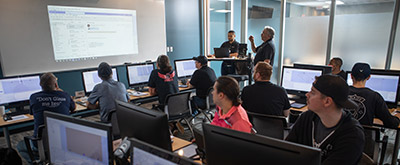
With a customized Stiles University course, we can provide expert training for your team, on-location. Whether it's programming, operation or maintenance, we want to help you train your personnel to meet your production goals efficiently and effectively.

Experience the trusted workforce development training and machinery knowledge you rely on from Stiles University, now at your convenience. With technology changing every day and new methods being developed constantly, Stiles University Online has the latest information and training content available at your fingertips.
616-698-7500

Do you want to produce more efficiently? Processes and flows are key. We optimize these together with you, re-organize them and make sure that you reduce your lead time and save costs. This enables you to implement customized manufacturing and achieve your business goals.

Industrialized construction is evolving. Automation, robotics and advanced technology are raising the level of productivity, efficiency and precision for builders in North America.

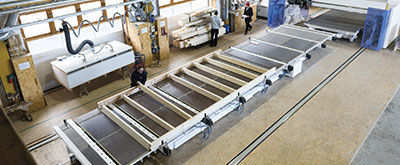
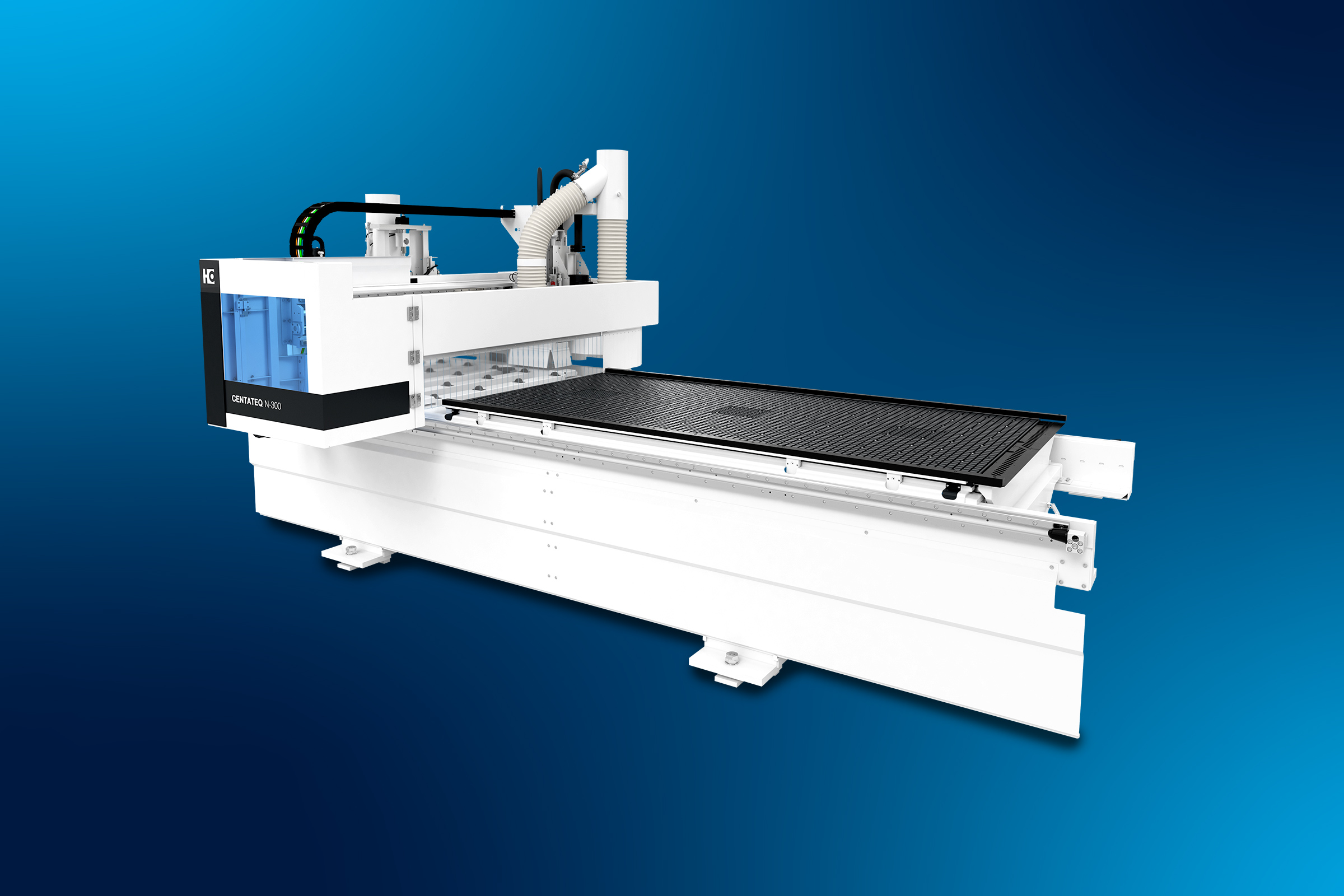
Stiles Machinery is at the forefront of providing technology and machining for producing high quality mass timber. Automated solutions for your mass timber production can increase your manufacturing quality and productivity.

Project management services from Stiles make it easy to streamline your entire project— from concept and consultation to integration and implementation.
For support and service of your machinery, Stiles has experts available 24/7 to help reduce downtime and get you back in action.
Technical Support: 616-698-6615
Service & Repairs: 616-698-7500
24/7 Parts: 1-800-727-8780
sale@inlandmachineokc.com
Parts are available from Stiles 24 hours a day, seven days a week, and are shipped from our Grand Rapids, Michigan fulfillment center.
24/7 Parts: 800-727-8780

With a customized Stiles University course, we can provide expert training for your team, on-location. Whether it's programming, operation or maintenance, we want to help you train your personnel to meet your production goals efficiently and effectively.

Experience the trusted workforce development training and machinery knowledge you rely on from Stiles University, now at your convenience. With technology changing every day and new methods being developed constantly, Stiles University Online has the latest information and training content available at your fingertips.
616-698-7500

Do you want to produce more efficiently? Processes and flows are key. We optimize these together with you, re-organize them and make sure that you reduce your lead time and save costs. This enables you to implement customized manufacturing and achieve your business goals.

Industrialized construction is evolving. Automation, robotics and advanced technology are raising the level of productivity, efficiency and precision for builders in North America.

Stiles Machinery is at the forefront of providing technology and machining for producing high quality mass timber. Automated solutions for your mass timber production can increase your manufacturing quality and productivity.

Project management services from Stiles make it easy to streamline your entire project— from concept and consultation to integration and implementation.
For support and service of your machinery, Stiles has experts available 24/7 to help reduce downtime and get you back in action.
Technical Support: 616-698-6615 Service & Repairs: 616-698-7500 24/7 Parts: 1-800-727-8780
Parts are available from Stiles 24 hours a day, seven days a week, and are shipped from our Grand Rapids, Michigan fulfillment center.
24/7 Parts: 800-727-8780For support and service of your machinery, Stiles has experts available 24/7 to help reduce downtime and get you back in action.
Technical Support: 616-698-6615 Service & Repairs: 616-698-7500 24/7 Parts: 1-800-727-8780
Parts are available from Stiles 24 hours a day, seven days a week, and are shipped from our Grand Rapids, Michigan fulfillment center.
24/7 Parts: 800-727-8780Choosing the right Power Inverter is essential for many applications. A power inverter can convert direct current (DC) to alternating current (AC), enabling various devices to run smoothly. Whether for home use, recreational vehicles, or solar setups, understanding your needs is crucial.
Many options are available, but not all inverters are suitable for every situation. Factors like wattage, form factor, and additional features should influence your decision. Some users may prioritize portability, while others might need a more complex setup for larger appliances. Exploring these aspects ensures that the chosen power inverter meets specific requirements.
Be aware that selecting the wrong power inverter can lead to frustration and inefficiency. Take time to evaluate your power needs and assess the potential options. This reflection can help you avoid common pitfalls, ensuring that the power inverter you choose works effectively for your lifestyle.
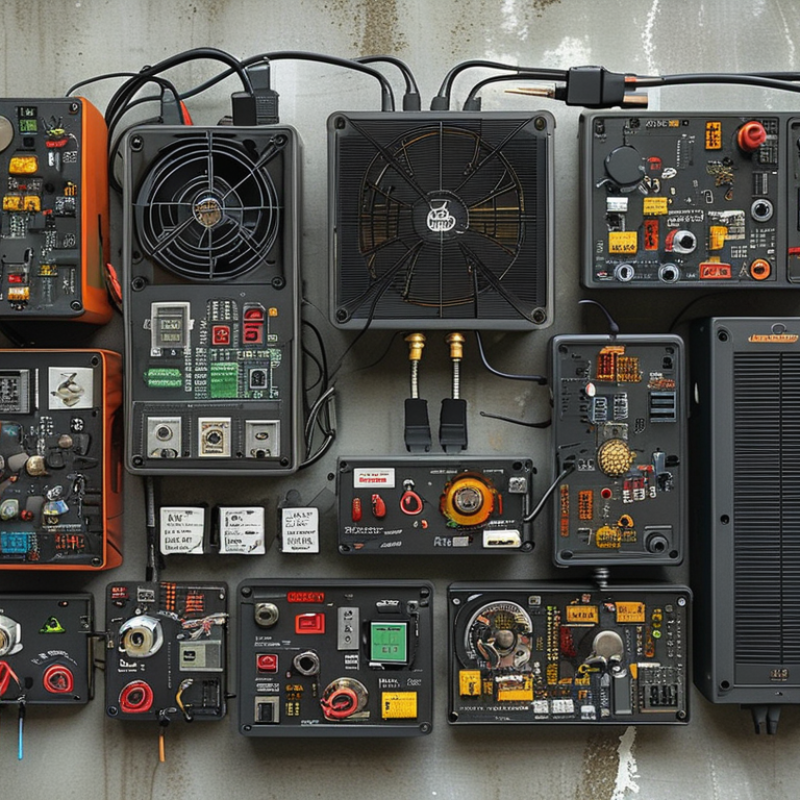
Power inverters are essential devices that convert DC power into AC power. They come in various types, including pure sine wave, modified sine wave, and square wave inverters. Each type serves different applications, from powering small electronics to running home appliances. According to industry reports, the global power inverter market was valued at approximately $10 billion in 2022 and is projected to grow steadily, driven by rising demand for renewable energy sources.
When selecting an inverter, understanding its wattage rating is crucial. For instance, a device that requires 1500 watts needs an inverter capable of handling that demand. Overloading an inverter can lead to overheating and damage, which is a common mistake. Many users underestimate their power needs, especially when connecting multiple devices. It’s important to calculate the total wattage and add a buffer for startup surges.
Additionally, the efficiency of an inverter matters. Reports indicate that efficient inverters can convert up to 90% of DC power to AC power. However, factors such as temperature and operating conditions can affect this efficiency. It’s not uncommon for users to overlook these specifications, leading to suboptimal performance. Each choice, from inverter type to wattage, has long-term implications and requires careful consideration.
Calculating your total wattage requirements is a crucial step in choosing the right power inverter. Start by listing all the devices you intend to power. Focus on each device's power rating, which is usually displayed in watts. For example, a laptop may require around 50 watts, while a TV could need about 200 watts. This initial assessment reveals a clearer picture of your energy needs.
When adding up the wattage, consider starting wattage and running wattage. Some devices, like refrigerators and power tools, draw more power when starting. It’s easy to overlook this, leading to inadequate power supply. Calculate the total wattage your devices use at startup and during regular function. If you routinely exceed your inverter's capacity, it could lead to failures.
Having an accurate wattage calculation helps you choose an inverter that fits your situation. If your needs change, adjustments may be necessary. Sometimes, you may realize you need different equipment, which reflects in your calculations. Always be prepared to revisit and adjust your total wattage assessment regularly. This ongoing reflection ensures that your setup remains effective and reliable.
When choosing a power inverter, the type can greatly impact your experience. Many users face the dilemma of selecting between modified sine wave and pure sine wave inverters. Understanding their differences is crucial for making an informed choice.
Modified sine wave inverters are more affordable and often sufficient for simple appliances. They work well with devices that don’t require precise power input, like incandescent lights and basic electronics. However, these inverters may cause issues with sensitive equipment. Some users report buzzing noises or overheating with devices like motors and computers. This inconsistency can lead to frustration, as well as potential damage.
On the other hand, pure sine wave inverters produce smoother and cleaner power. They resemble the electricity supplied by utility companies. This quality makes them ideal for sensitive devices, such as medical equipment or high-end electronics. Users tend to appreciate the reliability they offer. However, they come at a higher cost. Some may find it overwhelming to justify the expense for occasional use. Reflecting on your specific needs can guide your decision—whether the budget-friendly option suffices or if the stability of a pure sine wave is worth the investment.
This chart compares the Modified Sine Wave and Pure Sine Wave inverters across three dimensions: Price, Efficiency, and Output Wave Quality. The Modified Sine Wave inverter is more cost-effective but has lower efficiency and quality compared to the Pure Sine Wave inverter, which offers higher performance at a higher price.
Choosing the right power inverter is crucial for various needs, from camping to powering appliances at home. One of the key features to consider is efficiency ratings. A higher efficiency rating means less energy is wasted. This is important, especially when running critical devices. A good inverter should ideally have an efficiency rating above 80%.
Look for inverters that comply with safety standards. Safety certifications ensure that the inverter is tested for hazards. Products with UL or ETL certification are generally reliable. Investing in a certified inverter can prevent potential accidents, like equipment damage or even fires.
When selecting an inverter, consider your power demands. Calculate the watt hours your devices consume to avoid surprises. Keep in mind that even a small device can draw more power at startup. Always verify the inverter’s surge capacity. This helps to handle those initial power demands effectively, offering peace of mind. Investing time in research can lead to better choices.
When selecting a power inverter, brand reputation and customer reviews play a critical role. Studies show that about 70% of consumers trust online reviews as much as personal recommendations. An inverter from a well-regarded brand often reflects better reliability and performance. A 2022 industry report highlighted that brands with over 1,000 reviews tend to achieve higher customer satisfaction scores. This highlights the importance of credible feedback on choosing an inverter that meets your requirements.
Customer reviews not only provide insights into product quality but also reveal common issues. Many users report problems with overheating in budget models. This kind of detailed feedback can guide potential buyers in identifying suitable options. A survey indicated that nearly 40% of users experienced dissatisfaction due to unrealistic expectations based on marketing claims. Reading actual user experiences can provide a clearer picture and help manage those expectations effectively. Focusing on brands with a history of positive reviews increases the odds of making a wise investment in your power inverter.
| Model | Power Output (W) | Input Voltage (V) | Efficiency (%) | Customer Rating (out of 5) | Warranty (Years) |
|---|---|---|---|---|---|
| Model A | 1000 | 12 | 90 | 4.5 | 2 |
| Model B | 1500 | 24 | 88 | 4.0 | 3 |
| Model C | 2000 | 12 | 92 | 4.8 | 5 |
| Model D | 3000 | 24 | 85 | 4.2 | 3 |