
-
-
-
-
-
-

With a customized Stiles University course, we can provide expert training for your team, on-location. Whether it's programming, operation or maintenance, we want to help you train your personnel to meet your production goals efficiently and effectively.
-

Experience the trusted workforce development training and machinery knowledge you rely on from Stiles University, now at your convenience. With technology changing every day and new methods being developed constantly, Stiles University Online has the latest information and training content available at your fingertips.
-
-
-

Do you want to produce more efficiently? Processes and flows are key. We optimize these together with you, re-organize them and make sure that you reduce your lead time and save costs. This enables you to implement customized manufacturing and achieve your business goals.
-

Industrialized construction is evolving. Automation, robotics and advanced technology are raising the level of productivity, efficiency and precision for builders in North America.
-

Stiles Machinery is at the forefront of providing technology and machining for producing high quality mass timber. Automated solutions for your mass timber production can increase your manufacturing quality and productivity.
-

Project management services from Stiles make it easy to streamline your entire project— from concept and consultation to integration and implementation.
-



-
-
-
-
-
-
With a customized Stiles University course, we can provide expert training for your team, on-location. Whether it's programming, operation or maintenance, we want to help you train your personnel to meet your production goals efficiently and effectively.
-
Experience the trusted workforce development training and machinery knowledge you rely on from Stiles University, now at your convenience. With technology changing every day and new methods being developed constantly, Stiles University Online has the latest information and training content available at your fingertips.
-
-
-
Do you want to produce more efficiently? Processes and flows are key. We optimize these together with you, re-organize them and make sure that you reduce your lead time and save costs. This enables you to implement customized manufacturing and achieve your business goals.
-
Industrialized construction is evolving. Automation, robotics and advanced technology are raising the level of productivity, efficiency and precision for builders in North America.
-
Stiles Machinery is at the forefront of providing technology and machining for producing high quality mass timber. Automated solutions for your mass timber production can increase your manufacturing quality and productivity.
-
Project management services from Stiles make it easy to streamline your entire project— from concept and consultation to integration and implementation.
-
How to Choose the Right Plate Flat Welding Flange for Your Needs?
Choosing the right Plate Flat Welding Flange can significantly impact your project’s success. These components play a critical role in piping systems, ensuring leak-proof connections. Understanding the specific requirements of your application is essential.
Different industries have varying demands. For instance, food and beverage sectors require flanges that can withstand high pressure and temperature. On the other hand, chemical plants may need flanges made from corrosion-resistant materials. It's important to evaluate these factors closely.
Another point to consider is the installation process. A poorly chosen Plate Flat Welding Flange may lead to installation challenges and potential failures. Engaging with a knowledgeable supplier can provide insights into the best options for your unique situation. Remember, an informed choice not only results in reliability but also enhances overall system performance.
Understanding the Basics of Plate Flat Welding Flanges
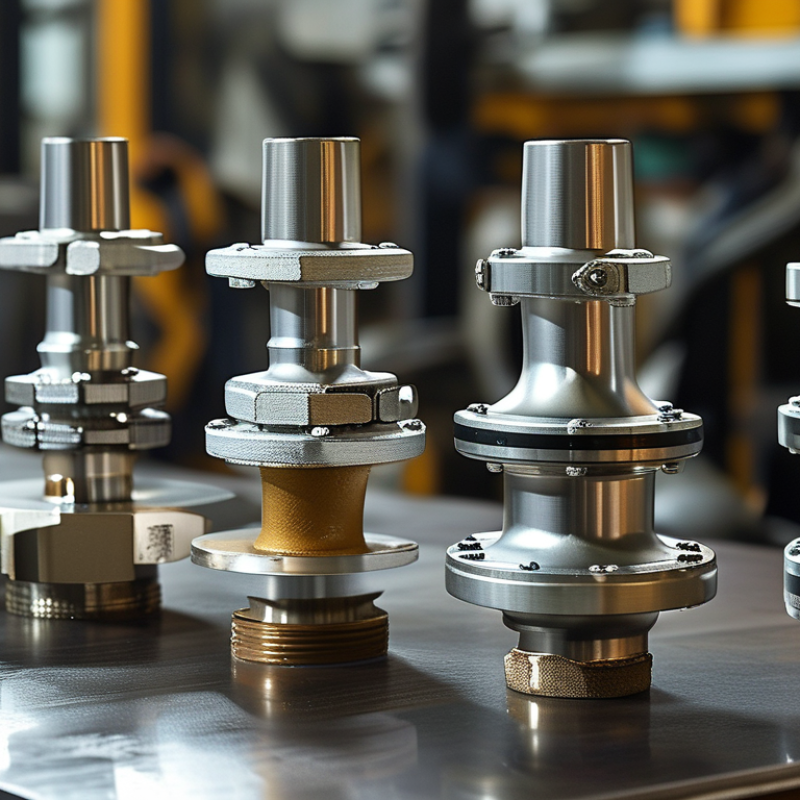
When selecting a plate flat welding flange, understanding its basic functions is crucial. A plate flat welding flange acts as a connector between pipes, valves, and pumps. This type of flange usually has a flat surface. It can be welded directly onto the pipe ends. Material choice is vital; it affects durability and compatibility. Common materials include carbon steel and stainless steel. Each type has its specific use, especially in different environments.
Welding techniques are also important. A proper weld ensures a strong connection, which prevents leaks. Insufficiently done welds can lead to catastrophic failures. Always consider porosity, cleanliness, and alignment when welding. These factors can significantly impact the integrity of the flange joint.
In choosing a flange, assess the application it will serve. The size and pressure rating should meet operational requirements. Overlooked details can lead to operational inefficiencies. Scenarios may arise where a higher pressure rating than necessary is selected, resulting in excess costs. Prior inspection of environmental conditions can prevent missteps. Flanges exposed to harsh elements should be made from corrosion-resistant materials.