
-
-
-
-
-
-

With a customized Stiles University course, we can provide expert training for your team, on-location. Whether it's programming, operation or maintenance, we want to help you train your personnel to meet your production goals efficiently and effectively.
-

Experience the trusted workforce development training and machinery knowledge you rely on from Stiles University, now at your convenience. With technology changing every day and new methods being developed constantly, Stiles University Online has the latest information and training content available at your fingertips.
-
-
-

Do you want to produce more efficiently? Processes and flows are key. We optimize these together with you, re-organize them and make sure that you reduce your lead time and save costs. This enables you to implement customized manufacturing and achieve your business goals.
-

Industrialized construction is evolving. Automation, robotics and advanced technology are raising the level of productivity, efficiency and precision for builders in North America.
-

Stiles Machinery is at the forefront of providing technology and machining for producing high quality mass timber. Automated solutions for your mass timber production can increase your manufacturing quality and productivity.
-

Project management services from Stiles make it easy to streamline your entire project— from concept and consultation to integration and implementation.
-



-
-
-
-
-
-
With a customized Stiles University course, we can provide expert training for your team, on-location. Whether it's programming, operation or maintenance, we want to help you train your personnel to meet your production goals efficiently and effectively.
-
Experience the trusted workforce development training and machinery knowledge you rely on from Stiles University, now at your convenience. With technology changing every day and new methods being developed constantly, Stiles University Online has the latest information and training content available at your fingertips.
-
-
-
Do you want to produce more efficiently? Processes and flows are key. We optimize these together with you, re-organize them and make sure that you reduce your lead time and save costs. This enables you to implement customized manufacturing and achieve your business goals.
-
Industrialized construction is evolving. Automation, robotics and advanced technology are raising the level of productivity, efficiency and precision for builders in North America.
-
Stiles Machinery is at the forefront of providing technology and machining for producing high quality mass timber. Automated solutions for your mass timber production can increase your manufacturing quality and productivity.
-
Project management services from Stiles make it easy to streamline your entire project— from concept and consultation to integration and implementation.
-
How to Choose the Right Fuel Control Valve for Your Needs?
Choosing the right fuel control valve is crucial for optimal performance. Many overlook this vital component in their systems. A fuel control valve regulates fuel flow, ensuring engines run efficiently. When selecting one, consider the specific needs of your application.
Different engines and systems have unique requirements. Parameters such as pressure range, flow rate, and compatibility matter greatly. Pay attention to the materials used in the valve construction. Some may corrode faster than others. Understanding your specific environment is essential for longevity and performance.
Relying solely on supplier recommendations can lead to mistakes. Personal experience and knowledge play a significant role too. Engage with trusted professionals if uncertainties arise. The right fuel control valve will enhance efficiency and reliability. Make sure to reflect on how your choice impacts overall system performance.
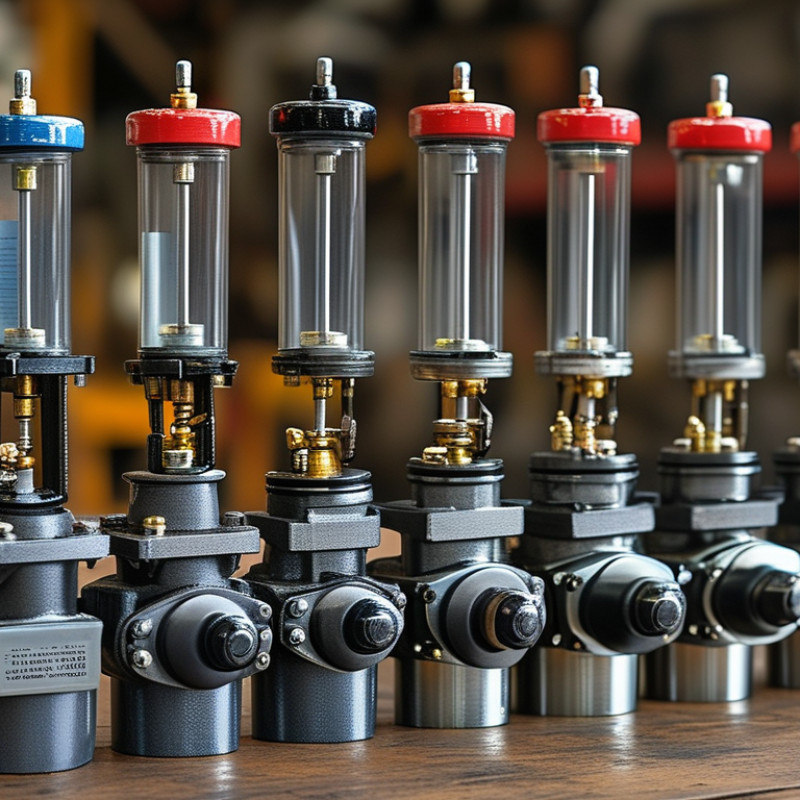
Understanding the Different Types of Fuel Control Valves Available
When selecting a fuel control valve, understanding the different types available is crucial. Fuel control valves mainly fall into two categories: mechanical and electronic. Mechanical valves rely on physical movements to regulate fuel flow. They are often simpler and more reliable, but can lack precision. On the other hand, electronic valves offer greater accuracy. They adjust fuel flow based on sensor data and engine demands.
Consider the specific requirements of your application. Mechanical valves may suit traditional engines where simplicity is key. For modern vehicles, electronic valves can enhance performance and efficiency. However, they may require more maintenance and troubleshooting. It’s essential to weigh performance benefits against potential drawbacks.
Additionally, pay attention to the installation process. Some valves are easy to set up, while others may require expert input. Think about your experience and comfort level with installations. Lastly, ensure the valve you choose complies with safety standards. A reliable valve will contribute significantly to performance and longevity. Be prepared to revisit your choice as technology evolves.