
For support and service of your machinery, Stiles has experts available 24/7 to help reduce downtime and get you back in action.
Technical Support: 616-698-6615
Service & Repairs: 616-698-7500
24/7 Parts: 1-800-727-8780
sale@inlandmachineokc.com
Parts are available from Stiles 24 hours a day, seven days a week, and are shipped from our Grand Rapids, Michigan fulfillment center.
24/7 Parts: 800-727-8780

With a customized Stiles University course, we can provide expert training for your team, on-location. Whether it's programming, operation or maintenance, we want to help you train your personnel to meet your production goals efficiently and effectively.

Experience the trusted workforce development training and machinery knowledge you rely on from Stiles University, now at your convenience. With technology changing every day and new methods being developed constantly, Stiles University Online has the latest information and training content available at your fingertips.
616-698-7500

Do you want to produce more efficiently? Processes and flows are key. We optimize these together with you, re-organize them and make sure that you reduce your lead time and save costs. This enables you to implement customized manufacturing and achieve your business goals.

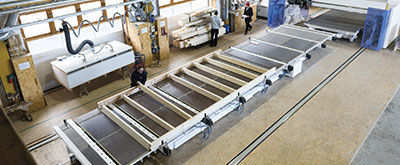
Industrialized construction is evolving. Automation, robotics and advanced technology are raising the level of productivity, efficiency and precision for builders in North America.

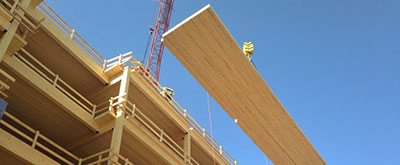
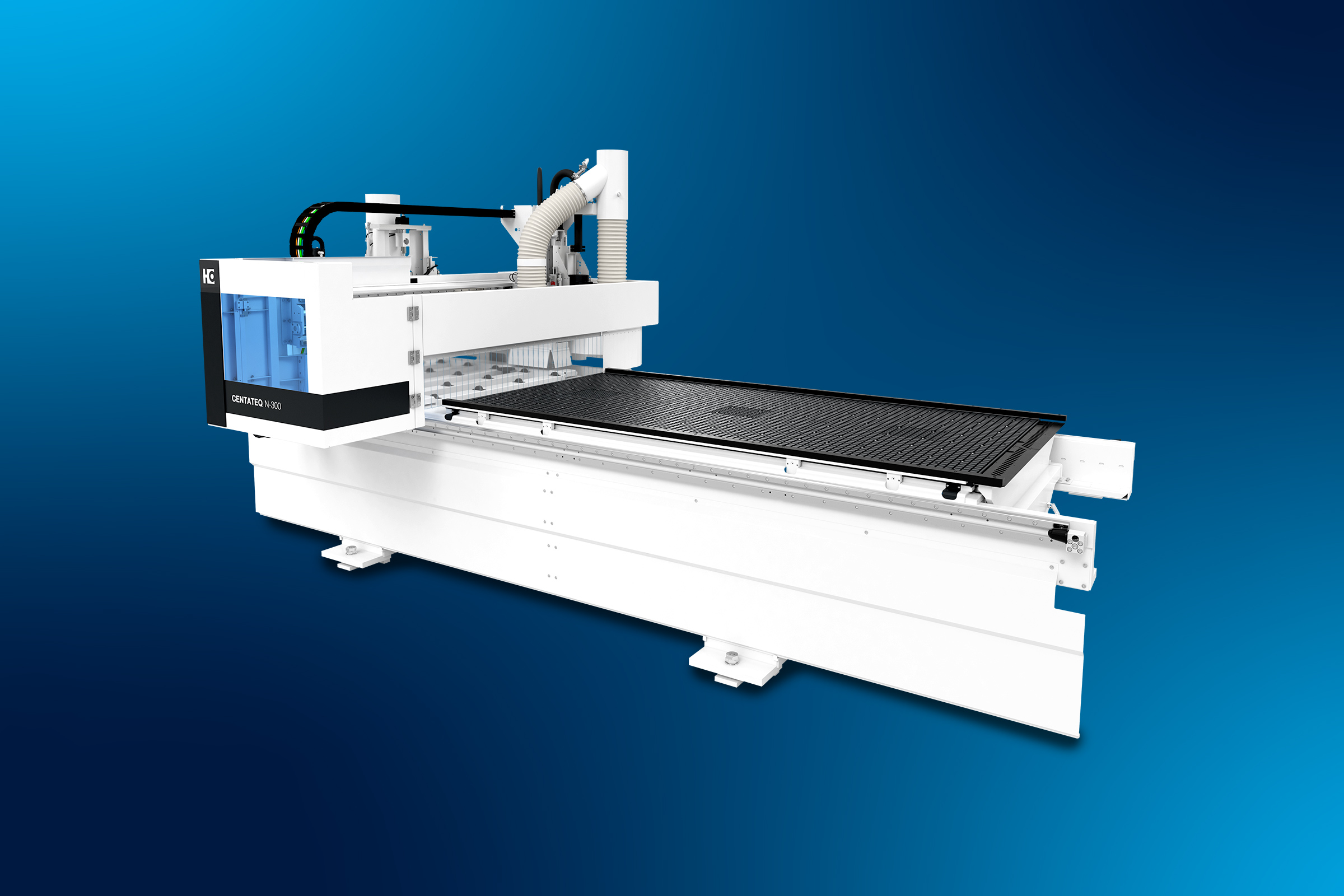
Stiles Machinery is at the forefront of providing technology and machining for producing high quality mass timber. Automated solutions for your mass timber production can increase your manufacturing quality and productivity.

Project management services from Stiles make it easy to streamline your entire project— from concept and consultation to integration and implementation.
For support and service of your machinery, Stiles has experts available 24/7 to help reduce downtime and get you back in action.
Technical Support: 616-698-6615
Service & Repairs: 616-698-7500
24/7 Parts: 1-800-727-8780
sale@inlandmachineokc.com
Parts are available from Stiles 24 hours a day, seven days a week, and are shipped from our Grand Rapids, Michigan fulfillment center.
24/7 Parts: 800-727-8780

With a customized Stiles University course, we can provide expert training for your team, on-location. Whether it's programming, operation or maintenance, we want to help you train your personnel to meet your production goals efficiently and effectively.

Experience the trusted workforce development training and machinery knowledge you rely on from Stiles University, now at your convenience. With technology changing every day and new methods being developed constantly, Stiles University Online has the latest information and training content available at your fingertips.
616-698-7500

Do you want to produce more efficiently? Processes and flows are key. We optimize these together with you, re-organize them and make sure that you reduce your lead time and save costs. This enables you to implement customized manufacturing and achieve your business goals.

Industrialized construction is evolving. Automation, robotics and advanced technology are raising the level of productivity, efficiency and precision for builders in North America.

Stiles Machinery is at the forefront of providing technology and machining for producing high quality mass timber. Automated solutions for your mass timber production can increase your manufacturing quality and productivity.

Project management services from Stiles make it easy to streamline your entire project— from concept and consultation to integration and implementation.
For support and service of your machinery, Stiles has experts available 24/7 to help reduce downtime and get you back in action.
Technical Support: 616-698-6615 Service & Repairs: 616-698-7500 24/7 Parts: 1-800-727-8780
Parts are available from Stiles 24 hours a day, seven days a week, and are shipped from our Grand Rapids, Michigan fulfillment center.
24/7 Parts: 800-727-8780For support and service of your machinery, Stiles has experts available 24/7 to help reduce downtime and get you back in action.
Technical Support: 616-698-6615 Service & Repairs: 616-698-7500 24/7 Parts: 1-800-727-8780
Parts are available from Stiles 24 hours a day, seven days a week, and are shipped from our Grand Rapids, Michigan fulfillment center.
24/7 Parts: 800-727-8780Choosing the right Air Compressor can significantly impact your projects. Experts emphasize the importance of understanding your specific needs before purchasing. According to Mark Thompson, a leading authority in the air compressor industry, “A well-chosen air compressor can enhance productivity and efficiency.”
Many factors come into play when selecting an air compressor, such as size, power, and application. Skipping careful evaluation might lead to dissatisfaction. You might find yourself with an overpowered model or, conversely, one that cannot meet your demands.
Take time to assess tasks you intend to perform. Whether you're painting, powering tools, or inflating tires, your choice should align with those needs. Remember, an air compressor should serve your purposes rather than complicate your workflow.
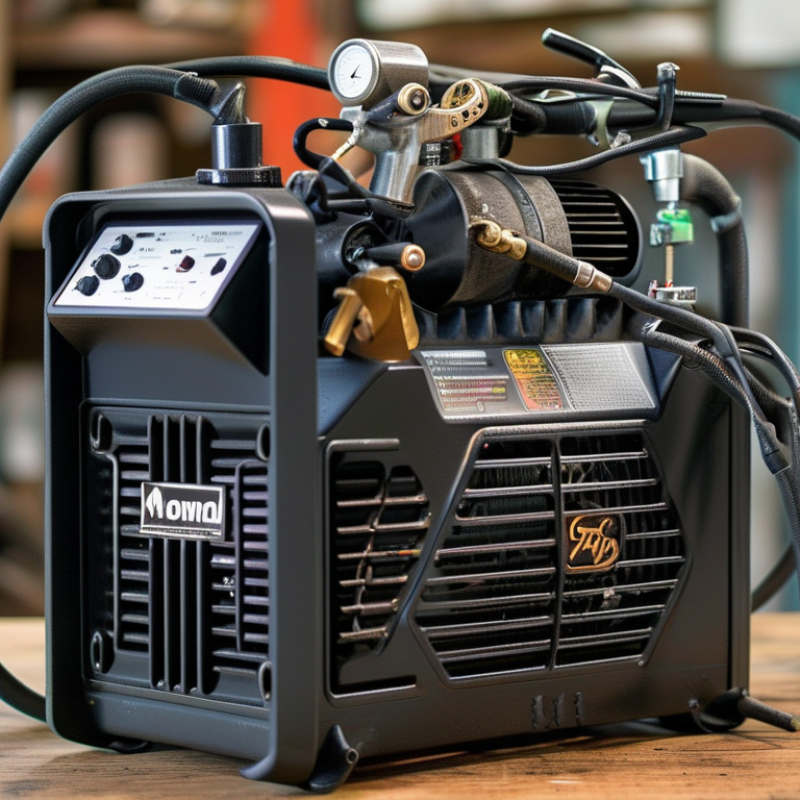
Choosing the right air compressor starts with understanding your project requirements. Different tasks require different power levels and features. For instance, a small airbrush might need only 1-2 CFM (cubic feet per minute), while heavy-duty tools might require 5-10 CFM or more. The demand for efficiency has grown, with 70% of users preferring portable and versatile compressors for various applications.
Tip: Clearly define your usage. Will you be inflating tires, powering pneumatic tools, or painting? Each use demands a unique compressor type. Knowing your average PSI (pounds per square inch) requirement is crucial. For many tasks, 90 PSI is often the sweet spot, but some tools may need higher pressure.
Understand the noise levels as well. Many compressors produce between 60 to 90 decibels. Noise can be uncomfortable in a home environment or job site. It’s vital to strike a balance between power and noise control. Remember, larger, powerful models may not suit every situation. They can be cumbersome and harder to store.
Tip: Always consider your workspace. If space is limited, a horizontal design may be more suitable than a vertical one. Evaluate your project needs carefully to find the best fit. Understanding these factors helps you make a more informed choice.
Choosing the right air compressor requires an understanding of different types available. Each type serves a unique purpose. Most commonly, you will encounter reciprocating, rotary screw, and rotary vane compressors.
Reciprocating compressors are ideal for small tasks. They often provide compressed air in short bursts. These models are efficient for DIY projects and small workshops. However, they may not be suited for continuous operation. An estimated 70% of users find they outgrow these compressors quickly.
Rotary screw compressors excel in commercial applications. They provide a steady flow of compressed air. According to industry reports, their efficiency can help reduce energy costs. While they may require a higher initial investment, they tend to be more reliable over time. Many businesses appreciate their durability during continuous use.
Assessing your needs is crucial. Consider factors like air pressure requirements and duty cycle. This analysis helps avoid inflated purchases or undersized compressors. A mismatch can lead to performance issues, frustrating users. Understanding these distinctions can lead to informed decisions.
Choosing the right air compressor requires careful consideration of several key specifications. One primary factor is the compressor's PSI (pounds per square inch). Depending on your needs, a typical consumer air compressor ranges from 90 to 120 PSI. For painting or intricate tools, higher PSI ratings are often necessary, sometimes exceeding 150 PSI. Reports indicate that 85% of air compressor users find compatibility with tools paramount. Choosing a unit with sufficient PSI can prevent inefficiency in tasks.
Another crucial specification is CFM (cubic feet per minute). This measures the compressor's airflow. Different tools require different CFM ratings. For example, a nail gun may need 2 CFM, while a sander could need 6 CFM. Understanding these CFM needs can lead to more effective and uninterrupted work. In many cases, users underestimate CFM requirements, leading to frustrations. Research indicates that nearly 30% of compressors fail due to insufficient airflow for tool operations.
Tank size is also worth noting. A larger tank can store more air, allowing for longer use without cycling. A tank of at least 6 gallons is optimal for home projects. However, larger tanks can make compressors heavier and less portable. According to industry data, 25% of users regret not choosing a more portable model. Balancing size, weight, and performance is essential for finding the right compressor for specific tasks.
When selecting an air compressor, assessing the power source is crucial. Air compressors typically run on electric or gas power. According to the U.S. Department of Energy, over 60% of small workshops favor electric compressors due to their efficiency and ease of use. Electric models are quieter and can be plugged into standard outlets, making them ideal for indoor use. However, they require a steady power supply, which may not be available in remote areas.
In contrast, gas-powered compressors offer more portability. These units are often favored in construction and outdoor environments. The mobility allows users to work in locations without electrical outlets. Industry reports indicate that nearly 30% of contractors prefer gas-powered options for their flexibility. However, they tend to be heavier and noisier than electric models. Users must consider the trade-off between mobility and noise, especially in residential areas.
Portability is a significant factor. Smaller, lightweight compressors can be easily transported. Their compact design works well for home projects or professionals on the go. Yet, sometimes, compact units may lack power compared to larger ones. Striking a balance between size, power, and intended use is essential. Awareness of these aspects can guide you in making a well-informed decision.
When considering an air compressor, budget is often a primary concern. According to industry reports, the average price of a quality air compressor ranges from $200 to $2,000. It's crucial to align your choice with specific needs. For light tasks, a smaller, less expensive model may suffice. However, for heavy-duty applications, investing more upfront can save money in the long run.
Long-term cost analysis is equally important. A less expensive model might save you upfront cash, but it often leads to higher maintenance costs. Research reveals that cheaper compressors may need replacement every few years, while premium models can last over a decade. This longevity translates into lower total cost of ownership. Reliability is crucial for businesses that depend on continuous operation.
Additionally, consider energy consumption. According to the U.S. Department of Energy, energy costs can make up to 80% of the total lifecycle cost of a compressor. Selecting an energy-efficient model from the start can significantly cut operational costs. A detailed analysis of usage, energy rates, and maintenance can provide clarity. Often, the decision isn't just about upfront price; it's about value over time.