

For support and service of your machinery, Stiles has experts available 24/7 to help reduce downtime and get you back in action.
Technical Support: 616-698-6615
Service & Repairs: 616-698-7500
24/7 Parts: 1-800-727-8780
sale@inlandmachineokc.com
Parts are available from Stiles 24 hours a day, seven days a week, and are shipped from our Grand Rapids, Michigan fulfillment center.
24/7 Parts: 800-727-8780

With a customized Stiles University course, we can provide expert training for your team, on-location. Whether it's programming, operation or maintenance, we want to help you train your personnel to meet your production goals efficiently and effectively.

Experience the trusted workforce development training and machinery knowledge you rely on from Stiles University, now at your convenience. With technology changing every day and new methods being developed constantly, Stiles University Online has the latest information and training content available at your fingertips.
616-698-7500

Do you want to produce more efficiently? Processes and flows are key. We optimize these together with you, re-organize them and make sure that you reduce your lead time and save costs. This enables you to implement customized manufacturing and achieve your business goals.

Industrialized construction is evolving. Automation, robotics and advanced technology are raising the level of productivity, efficiency and precision for builders in North America.

Stiles Machinery is at the forefront of providing technology and machining for producing high quality mass timber. Automated solutions for your mass timber production can increase your manufacturing quality and productivity.

Project management services from Stiles make it easy to streamline your entire project— from concept and consultation to integration and implementation.
For support and service of your machinery, Stiles has experts available 24/7 to help reduce downtime and get you back in action.
Technical Support: 616-698-6615
Service & Repairs: 616-698-7500
24/7 Parts: 1-800-727-8780
sale@inlandmachineokc.com
Parts are available from Stiles 24 hours a day, seven days a week, and are shipped from our Grand Rapids, Michigan fulfillment center.
24/7 Parts: 800-727-8780

With a customized Stiles University course, we can provide expert training for your team, on-location. Whether it's programming, operation or maintenance, we want to help you train your personnel to meet your production goals efficiently and effectively.

Experience the trusted workforce development training and machinery knowledge you rely on from Stiles University, now at your convenience. With technology changing every day and new methods being developed constantly, Stiles University Online has the latest information and training content available at your fingertips.
616-698-7500

Do you want to produce more efficiently? Processes and flows are key. We optimize these together with you, re-organize them and make sure that you reduce your lead time and save costs. This enables you to implement customized manufacturing and achieve your business goals.

Industrialized construction is evolving. Automation, robotics and advanced technology are raising the level of productivity, efficiency and precision for builders in North America.

Stiles Machinery is at the forefront of providing technology and machining for producing high quality mass timber. Automated solutions for your mass timber production can increase your manufacturing quality and productivity.

Project management services from Stiles make it easy to streamline your entire project— from concept and consultation to integration and implementation.
For support and service of your machinery, Stiles has experts available 24/7 to help reduce downtime and get you back in action.
Technical Support: 616-698-6615 Service & Repairs: 616-698-7500 24/7 Parts: 1-800-727-8780
Parts are available from Stiles 24 hours a day, seven days a week, and are shipped from our Grand Rapids, Michigan fulfillment center.
24/7 Parts: 800-727-8780For support and service of your machinery, Stiles has experts available 24/7 to help reduce downtime and get you back in action.
Technical Support: 616-698-6615 Service & Repairs: 616-698-7500 24/7 Parts: 1-800-727-8780
Parts are available from Stiles 24 hours a day, seven days a week, and are shipped from our Grand Rapids, Michigan fulfillment center.
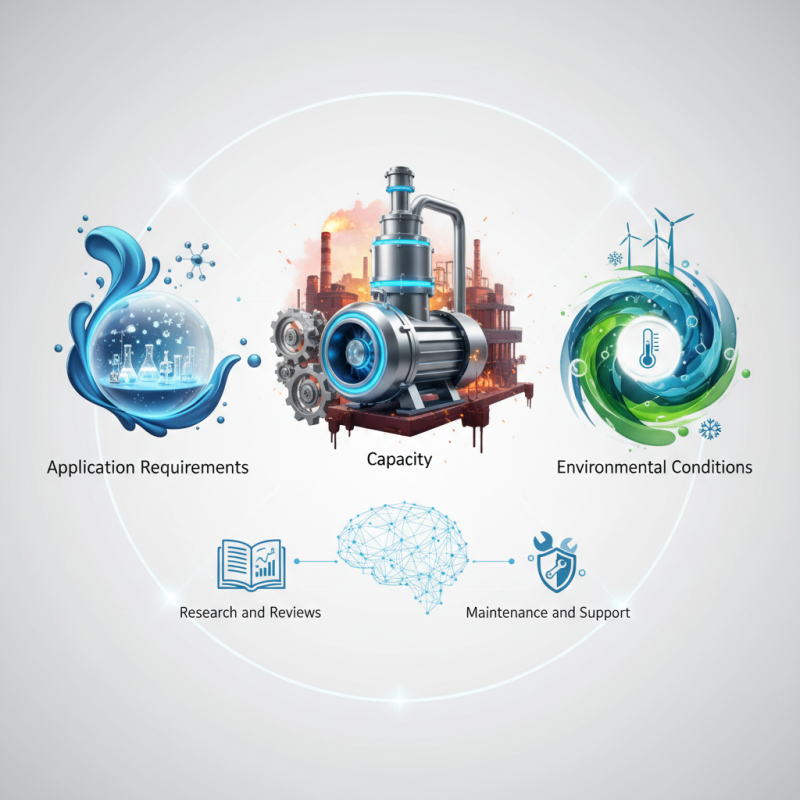
24/7 Parts: 800-727-8780When selecting a Dynamic Vacuum Pump System, understanding your specific needs is crucial. The right system can significantly enhance efficiency and performance. There are various factors to consider, including application requirements, capacity, and environmental conditions.
Different industries demand diverse vacuum solutions. For example, a laboratory may need a system that handles delicate materials, while a manufacturing plant may require robust performance under heavy loads. Each situation can challenge your expectations.
It’s essential to research manufacturers and read reviews. Experts suggest evaluating maintenance and support options. Sometimes, even the best systems can have drawbacks. Reflecting on these aspects can help you make an informed choice. Be prepared to adapt your decision as needs evolve.
Dynamic vacuum pump systems are vital in various industrial applications. They are designed to create a vacuum by removing air and gas from a sealed environment. Understanding their basic operation is essential for making informed decisions.
These systems utilize rotating blades or impellers to create a pressure difference. This process generates lower pressure in the chamber, allowing air and other gases to be expelled. The efficiency of these systems is influenced by factors such as size, capacity, and intended use. Choosing the wrong system can lead to inefficiencies or operational issues.
When selecting a dynamic vacuum pump, consider specific needs. Factors like volume, required speed, and the types of gases involved should guide your choice. Not all systems suit every application. It’s crucial to review and reflect on these aspects carefully. Proper understanding ensures you invest in the right equipment for your needs. The selection process is complex, and oversights can be costly.
When choosing a dynamic vacuum pump system, there are several key factors to consider. The application is crucial. Different processes require different vacuum levels and flow rates. For example, laboratories may need precise control for experiments. Conversely, industrial processes might prioritize higher throughput and efficiency.
Performance specifications matter significantly. Check the ultimate vacuum and pumping speed. Understand the consequences of inadequate performance. Choosing insufficient specifications may lead to downtime and inefficiency.
Installation requirements should not be overlooked. A poorly fitted system can cause system failures or increased maintenance.
Finally, consider the support and maintenance options. A reliable supplier can offer essential services. Regular maintenance is vital for ensuring longevity. It's common to underestimate maintenance needs until problems arise. Taking time to understand these factors will lead to a more suitable choice for your needs.
When choosing a dynamic vacuum pump system, understanding the various types available is essential. There are several common dynamic vacuum pump types, each with distinct features and efficiency levels. Centrifugal pumps are known for handling large volumes and high flow rates. They create a vacuum by utilizing an impeller that spins rapidly. However, they may struggle with low-pressure situations.
Another popular option is the rotary vane pump. This type is compact and efficient, making it ideal for applications with moderate vacuum levels. Its design includes vanes that slide in and out of a rotor, generating vacuum. While reliable, the rotary vane might not be suitable for continuous heavy-duty applications due to wear over time.
Diaphragm pumps offer a unique advantage. They are oil-free and create vacuum through a membrane that flexes. These pumps excel in chemical applications where contamination risk is minimal. Yet, they often have lower capacities compared to others. Evaluating these options will help you tailor your system to your operational needs and optimize efficiency. Each type has its strengths and weaknesses, making it crucial to align them with your specific requirements.
When selecting a dynamic vacuum pump system, evaluating flow rate and pressure metrics is essential. The flow rate indicates how much gas can be moved in a given time. It’s measured in liters per minute (L/min). Reports show that a system capable of 100 L/min can serve small to medium applications effectively. For larger systems, a flow rate of over 200 L/min may be necessary. These metrics align with industry needs.
Pressure metrics are equally crucial. Gauge pressure indicates the vacuum level achieved by the system. A good vacuum pump should reach at least 1 mbar for effective performance. Many applications demand high vacuum levels. For example, in semiconductor manufacturing, achieving pressures below 0.1 mbar is often critical.
Choosing the correct system based on flow rate and pressure can be a challenge. Systems may not perform as expected without proper matching. Users should consider variations in design and application. Not all environments are identical. Performance can differ due to temperature and gas composition. An adaptable system can offer more reliability, but operational conditions should always be reviewed. Real-world evaluations can help identify potential weaknesses in pressure maintenance or flow consistency.
| System Model | Flow Rate (cfm) | Max Pressure (inHg) | Power Consumption (kW) | Noise Level (dB) |
|---|---|---|---|---|
| Model A | 20 | 28 | 5.5 | 75 |
| Model B | 25 | 29 | 6.0 | 70 |
| Model C | 18 | 30 | 4.5 | 80 |
| Model D | 30 | 27 | 7.0 | 65 |
| Model E | 22 | 26 | 5.0 | 78 |
When selecting a dynamic vacuum pump system, understanding your specific operational needs is crucial. Different industries have varying requirements. For example, in the pharmaceutical sector, pumps must maintain sterile conditions. This prevents contamination in sensitive processes. A failure in vacuum integrity can lead to costly product losses.
Additionally, in food processing, the ability to handle moisture becomes a key factor. Pumps must efficiently remove air without affecting the product’s quality. Proper material selection is vital here to ensure safety and compliance. On the other hand, in the electronics industry, precision is critical. A pump that can provide consistent vacuum levels can enhance production efficiency.
Each industry presents unique challenges. For example, environmental concerns may arise in chemical processing. This requires pumps that can handle harsh chemicals safely. Regular maintenance and monitoring become essential to prevent failures. Moreover, pump selections often reflect a balance between performance and cost. This balancing act can lead to frustrations when trying to maximize both efficiency and budget constraints.







