
-
-
-
-
-
-

With a customized Stiles University course, we can provide expert training for your team, on-location. Whether it's programming, operation or maintenance, we want to help you train your personnel to meet your production goals efficiently and effectively.
-

Experience the trusted workforce development training and machinery knowledge you rely on from Stiles University, now at your convenience. With technology changing every day and new methods being developed constantly, Stiles University Online has the latest information and training content available at your fingertips.
-
-
-

Do you want to produce more efficiently? Processes and flows are key. We optimize these together with you, re-organize them and make sure that you reduce your lead time and save costs. This enables you to implement customized manufacturing and achieve your business goals.
-
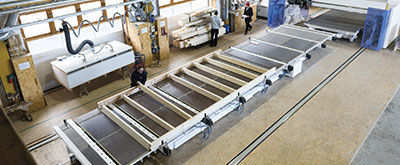
Industrialized construction is evolving. Automation, robotics and advanced technology are raising the level of productivity, efficiency and precision for builders in North America.
-

Stiles Machinery is at the forefront of providing technology and machining for producing high quality mass timber. Automated solutions for your mass timber production can increase your manufacturing quality and productivity.
-

Project management services from Stiles make it easy to streamline your entire project— from concept and consultation to integration and implementation.
-


-
-
-
-
-
-
With a customized Stiles University course, we can provide expert training for your team, on-location. Whether it's programming, operation or maintenance, we want to help you train your personnel to meet your production goals efficiently and effectively.
-
Experience the trusted workforce development training and machinery knowledge you rely on from Stiles University, now at your convenience. With technology changing every day and new methods being developed constantly, Stiles University Online has the latest information and training content available at your fingertips.
-
-
-
Do you want to produce more efficiently? Processes and flows are key. We optimize these together with you, re-organize them and make sure that you reduce your lead time and save costs. This enables you to implement customized manufacturing and achieve your business goals.
-
Industrialized construction is evolving. Automation, robotics and advanced technology are raising the level of productivity, efficiency and precision for builders in North America.
-
Stiles Machinery is at the forefront of providing technology and machining for producing high quality mass timber. Automated solutions for your mass timber production can increase your manufacturing quality and productivity.
-
Project management services from Stiles make it easy to streamline your entire project— from concept and consultation to integration and implementation.
-
How to Choose the Best CNC Router for Your Projects?
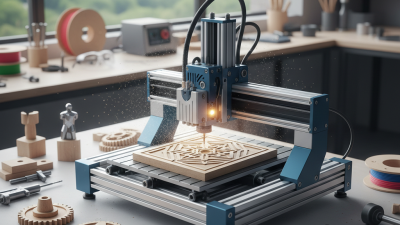
Choosing the best CNC router for your projects can be challenging. In recent years, the CNC router market has seen significant growth. According to a report by MarketsandMarkets, the global CNC router market is projected to reach $1.25 billion by 2024, driven by increased automation in manufacturing.
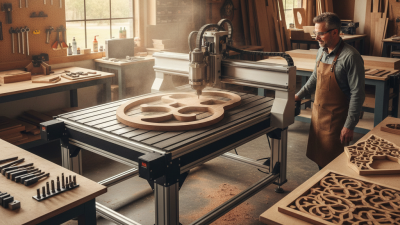
When selecting a CNC router, it’s vital to understand your specific needs. Do you need precision for intricate designs? Or speed for larger production runs? Many users often overlook the importance of spindle speed and material compatibility. It can lead to poor outcomes, leaving projects unfinished or below expectations.
Investing in a CNC router requires careful analysis. Evaluating brands and models can often be overwhelming. You may encounter features that seem appealing but don’t fit your needs. Reflecting on your project goals can guide your decision. As the market evolves, new models emerge. Stay informed about both advantages and potential drawbacks.
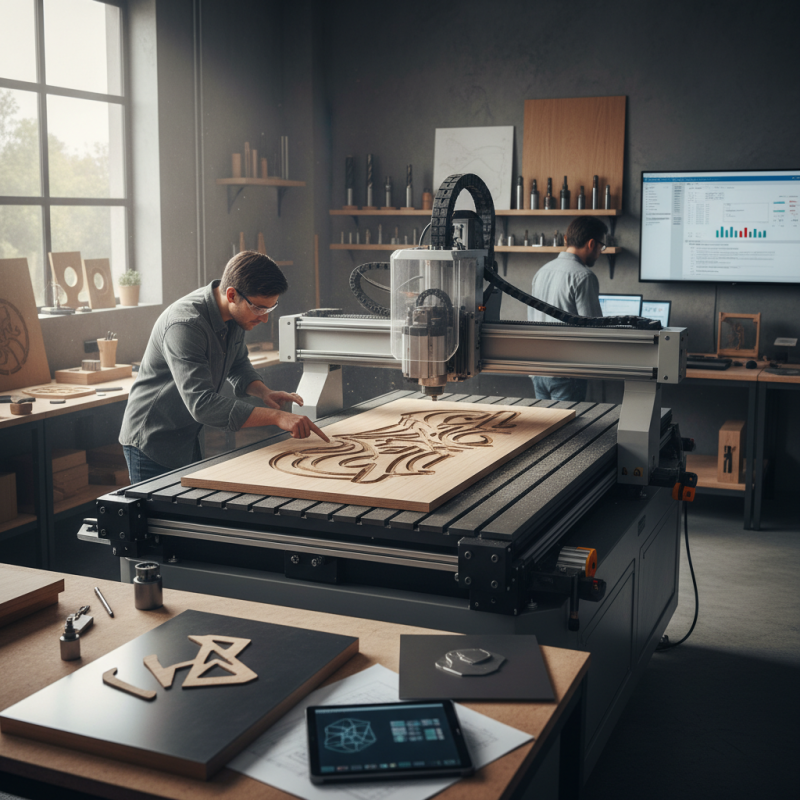
Understanding Your Project Requirements for CNC Routers
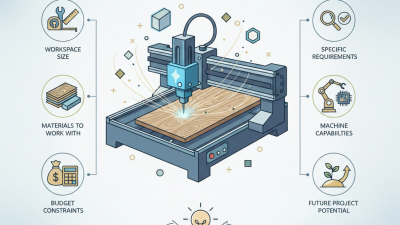
Understanding your project requirements is crucial when selecting a CNC router. Different projects demand varying capabilities. For example, intricate designs often require higher precision and advanced software. According to a 2022 industry report, 78% of users prioritize accuracy in their projects. Knowing the materials you’ll work with is equally important. Wood, plastic, and metal each require different router specifications.
For instance, hardwood projects necessitate stronger motors and more robust cutting tools. A study by the Manufacturing Institute indicates that nearly 60% of failed projects stem from inadequate equipment compatibility. If you’re working with softer materials like foam, lightweight routers might suffice. However, don’t overlook detail. Ensure that the router's spindle speed aligns with your material's needs.
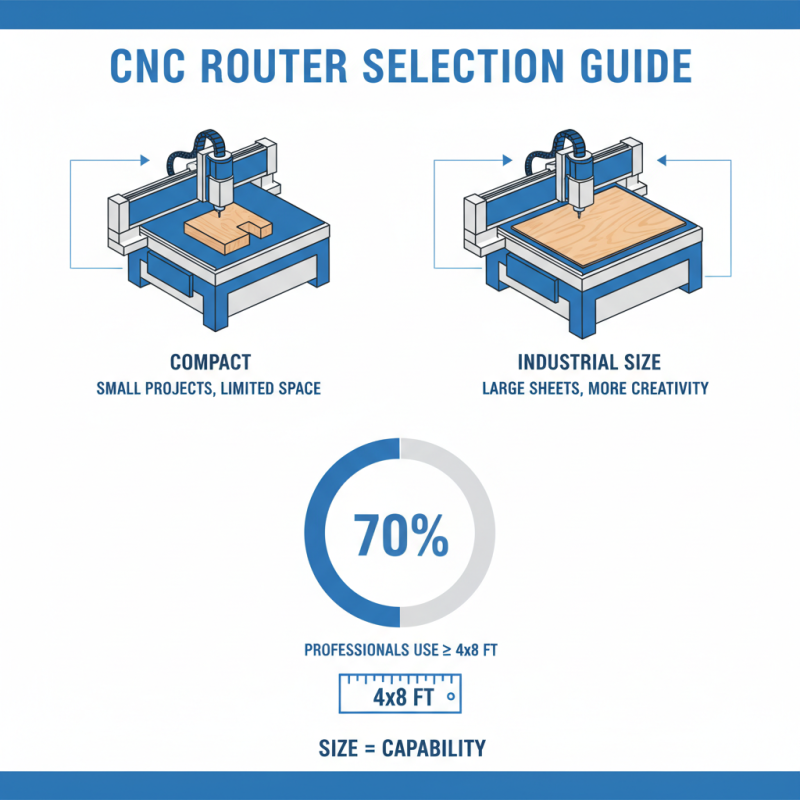
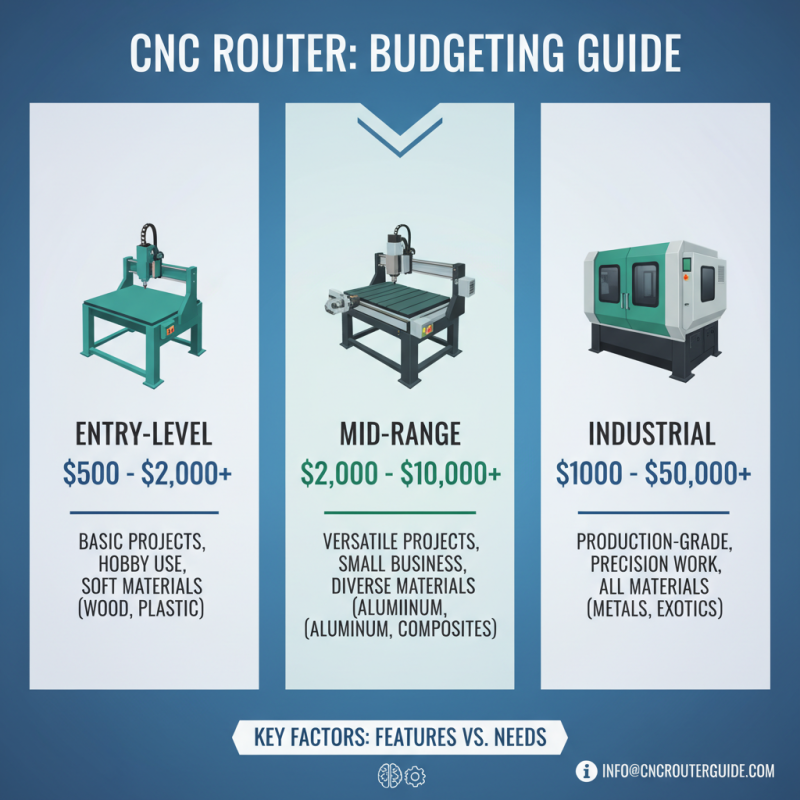
Budget constraints also play a significant role in your decision. High-end models promise durability but can strain finances. The average investment ranges from $1,000 to $10,000, and making informed choices is essential. Reflect on your long-term goals. Sometimes compromise is necessary. For example, opting for a slightly less powerful router may still serve well for hobby projects. Balancing immediate needs and future aspirations can be challenging but is vital for success.
Related Posts
-
2026 Top CNC Router Models for Professional Use and Hobbyists?
-
Exploring the Amazing World of CNC Routers for DIY Enthusiasts
-
Top 5 CNC Router Kits for Precision Crafting and DIY Projects
-
Top 5 CNC Router Kits for Ultimate Precision and DIY Projects in 2023
-
2026 How to Choose the Best CNC Router Table for Your Projects?
-
10 Essential Tips for Choosing the Right CNC Router for Your Projects