
-
-
-
-
-
-

With a customized Stiles University course, we can provide expert training for your team, on-location. Whether it's programming, operation or maintenance, we want to help you train your personnel to meet your production goals efficiently and effectively.
-

Experience the trusted workforce development training and machinery knowledge you rely on from Stiles University, now at your convenience. With technology changing every day and new methods being developed constantly, Stiles University Online has the latest information and training content available at your fingertips.
-
-
-

Do you want to produce more efficiently? Processes and flows are key. We optimize these together with you, re-organize them and make sure that you reduce your lead time and save costs. This enables you to implement customized manufacturing and achieve your business goals.
-

Industrialized construction is evolving. Automation, robotics and advanced technology are raising the level of productivity, efficiency and precision for builders in North America.
-

Stiles Machinery is at the forefront of providing technology and machining for producing high quality mass timber. Automated solutions for your mass timber production can increase your manufacturing quality and productivity.
-

Project management services from Stiles make it easy to streamline your entire project— from concept and consultation to integration and implementation.
-



-
-
-
-
-
-
With a customized Stiles University course, we can provide expert training for your team, on-location. Whether it's programming, operation or maintenance, we want to help you train your personnel to meet your production goals efficiently and effectively.
-
Experience the trusted workforce development training and machinery knowledge you rely on from Stiles University, now at your convenience. With technology changing every day and new methods being developed constantly, Stiles University Online has the latest information and training content available at your fingertips.
-
-
-
Do you want to produce more efficiently? Processes and flows are key. We optimize these together with you, re-organize them and make sure that you reduce your lead time and save costs. This enables you to implement customized manufacturing and achieve your business goals.
-
Industrialized construction is evolving. Automation, robotics and advanced technology are raising the level of productivity, efficiency and precision for builders in North America.
-
Stiles Machinery is at the forefront of providing technology and machining for producing high quality mass timber. Automated solutions for your mass timber production can increase your manufacturing quality and productivity.
-
Project management services from Stiles make it easy to streamline your entire project— from concept and consultation to integration and implementation.
-
How to Choose the Best Ceramic Mixer Machine for Your Needs?
Choosing the right ceramic mixer machine can significantly impact your pottery projects. It is not just about mixing clay; it involves understanding your specific needs. A good mixer should enhance your creativity and improve your workflow.
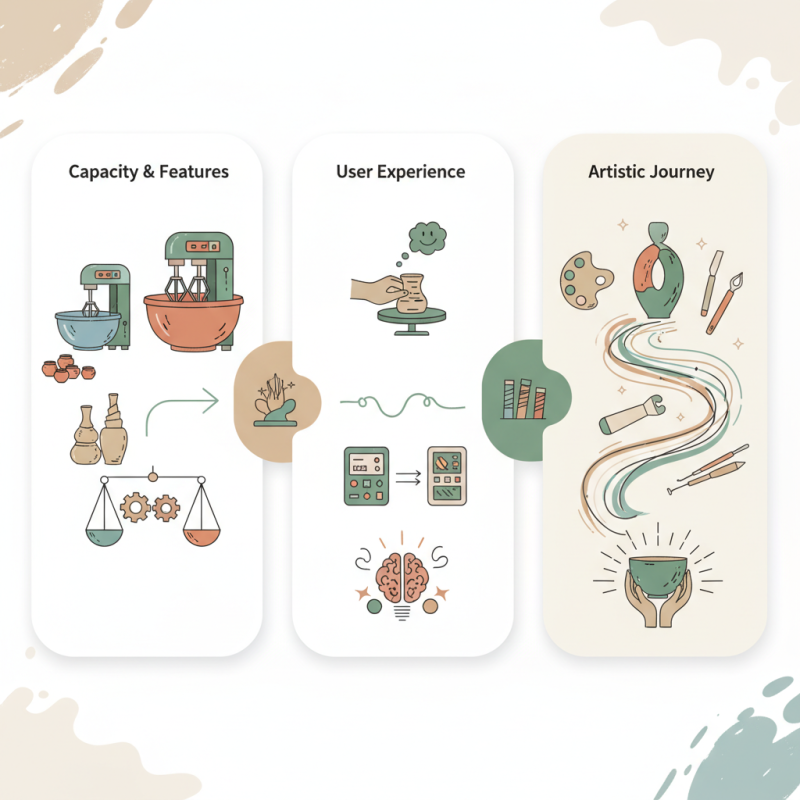
When selecting a Ceramic Mixer Machine, consider its capacity and features. A machine that is too small may limit your production. On the other hand, a larger model might be inefficient for smaller batches. You should also test different models to see which one feels comfortable for you.
Remember, it’s not just about specifications. User experience plays a vital role. Some machines may seem perfect on paper but can be difficult to operate. Reflect on your experiences with various mixers. Choose a machine that inspires you and matches your style. Make an informed decision that suits your artistic journey.
Understanding the Basics of Ceramic Mixer Machines
When considering ceramic mixer machines, it’s vital to understand their basic functions. These machines blend different materials, ensuring a uniform mixture. A typical ceramic mixer includes a motor, mixing blades, and a drum. The power of the motor influences mixing efficiency. A stronger motor may blend more effectively, but it can also be noisy. Finding the right balance is essential.
The size of the machine matters greatly. If you work on large projects, a bigger mixer may be required. However, larger machines can take up significant space. For smaller tasks, a compact model can be more practical. Always assess your workspace before making a decision.
Mixing speed also varies. Some machines offer adjustable speeds, allowing more control. This feature can be helpful for different materials. However, controls can be complex and may require time to learn. Beginners might find them overwhelming. Testing various options can help clarify which features align with your needs.