
-
-
-
-
-
-

With a customized Stiles University course, we can provide expert training for your team, on-location. Whether it's programming, operation or maintenance, we want to help you train your personnel to meet your production goals efficiently and effectively.
-

Experience the trusted workforce development training and machinery knowledge you rely on from Stiles University, now at your convenience. With technology changing every day and new methods being developed constantly, Stiles University Online has the latest information and training content available at your fingertips.
-
-
-

Do you want to produce more efficiently? Processes and flows are key. We optimize these together with you, re-organize them and make sure that you reduce your lead time and save costs. This enables you to implement customized manufacturing and achieve your business goals.
-

Industrialized construction is evolving. Automation, robotics and advanced technology are raising the level of productivity, efficiency and precision for builders in North America.
-

Stiles Machinery is at the forefront of providing technology and machining for producing high quality mass timber. Automated solutions for your mass timber production can increase your manufacturing quality and productivity.
-

Project management services from Stiles make it easy to streamline your entire project— from concept and consultation to integration and implementation.
-



-
-
-
-
-
-
With a customized Stiles University course, we can provide expert training for your team, on-location. Whether it's programming, operation or maintenance, we want to help you train your personnel to meet your production goals efficiently and effectively.
-
Experience the trusted workforce development training and machinery knowledge you rely on from Stiles University, now at your convenience. With technology changing every day and new methods being developed constantly, Stiles University Online has the latest information and training content available at your fingertips.
-
-
-
Do you want to produce more efficiently? Processes and flows are key. We optimize these together with you, re-organize them and make sure that you reduce your lead time and save costs. This enables you to implement customized manufacturing and achieve your business goals.
-
Industrialized construction is evolving. Automation, robotics and advanced technology are raising the level of productivity, efficiency and precision for builders in North America.
-
Stiles Machinery is at the forefront of providing technology and machining for producing high quality mass timber. Automated solutions for your mass timber production can increase your manufacturing quality and productivity.
-
Project management services from Stiles make it easy to streamline your entire project— from concept and consultation to integration and implementation.
-
How to Choose the Best Casting Crusher for Your Needs?
Choosing the right Casting-crusher can significantly impact operational efficiency in industries like mining and construction. According to industry data from the Manufacturing Resource Planning Association, an optimal casting-crusher can enhance production rates by up to 30%. This emphasizes the importance of informed decision-making when selecting equipment.
Expert in the field, Dr. James Thornton, once stated, "Selecting a casting-crusher should be driven by specific operational needs and material characteristics." His insight highlights the necessity of aligning the equipment with project requirements. Factors such as material type, size reduction ratio, and budget constraints must be carefully considered.
Manufacturers offer various models, but not all provide the durability and performance needed in demanding environments. It's crucial to weigh options based on real-world applications and feedback from users. Observations from existing installations indicate frequent issues in underperforming units, prompting industry professionals to reassess their choices. Thus, a thoughtful approach is essential for optimal investment in casting-crusher technology.
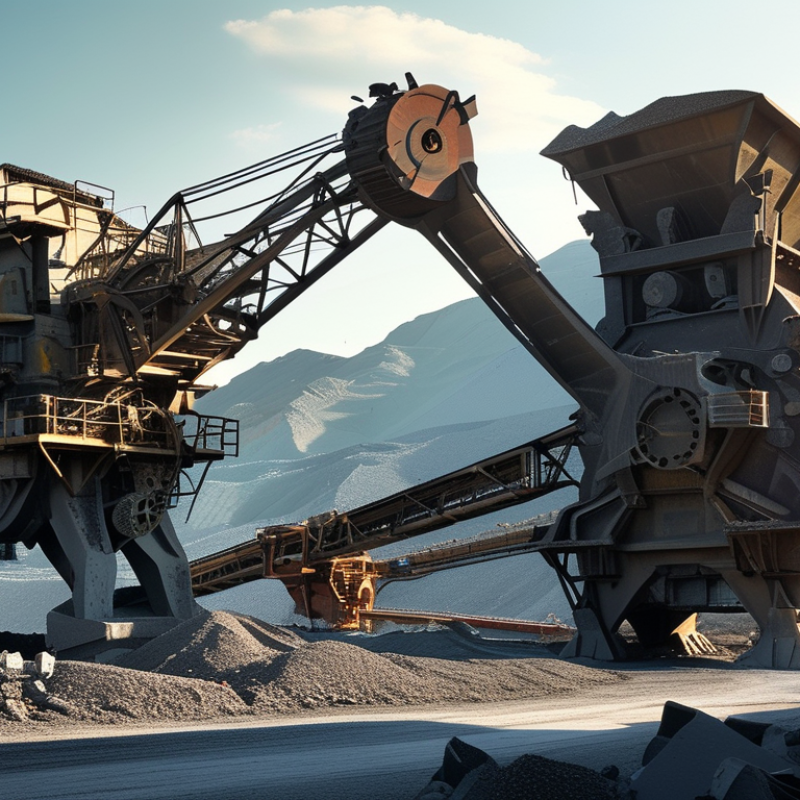
Understanding the Basics of Casting Crushers and Their Functions
Casting crushers are essential tools in the mining and construction fields. Understanding their basic functions can greatly enhance your equipment selection process. These machines are designed to break down large material into smaller, manageable pieces. Their efficiency can significantly influence productivity and operational costs.
Statistics show that the global market for crushing equipment is expected to reach $4.6 billion by 2027, emphasizing the importance of selecting the right model. The primary functions of casting crushers include crushing, grinding, and sieving materials. Depending on the material type, different crusher designs may be more effective. For example, impact crushers excel in dealing with softer materials, while jaw crushers are often better suited for harder rock.
Selecting a casting crusher requires careful consideration of various factors. Factors such as the material's hardness, the desired output size, and the application's specific needs play crucial roles. Mining operations often face the challenge of balancing cost with efficiency. A poorly chosen crusher can lead to increased downtime and maintenance costs. Therefore, evaluating all operational requirements is vital before making a decision.
How to Choose the Best Casting Crusher for Your Needs?
| Feature | Description | Considerations |
|---|---|---|
| Material Compatibility | Ensure the crusher can handle the types of casting materials used. | Check material specifications and strengths. |
| Size and Capacity | Assess the required throughput and maximum size of feed material. | Match specifications to production goals. |
| Energy Efficiency | Look for crushers that offer energy-saving features. | Consider long-term operational costs. |
| Maintenance Needs | Evaluate ease of maintenance and availability of spare parts. | Account for downtime and repair costs. |
| Technology and Features | Identify smart features such as automation or monitoring systems. | Consider how these features improve efficiency and control. |
| Cost | Understand the total cost of ownership, including purchase price and operational expenses. | Weigh upfront costs against long-term value and efficiency. |