
-
-
-
-
-
-

With a customized Stiles University course, we can provide expert training for your team, on-location. Whether it's programming, operation or maintenance, we want to help you train your personnel to meet your production goals efficiently and effectively.
-

Experience the trusted workforce development training and machinery knowledge you rely on from Stiles University, now at your convenience. With technology changing every day and new methods being developed constantly, Stiles University Online has the latest information and training content available at your fingertips.
-
-
-

Do you want to produce more efficiently? Processes and flows are key. We optimize these together with you, re-organize them and make sure that you reduce your lead time and save costs. This enables you to implement customized manufacturing and achieve your business goals.
-
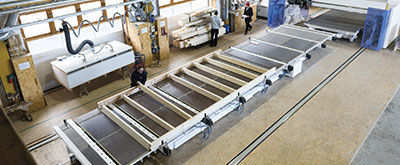
Industrialized construction is evolving. Automation, robotics and advanced technology are raising the level of productivity, efficiency and precision for builders in North America.
-
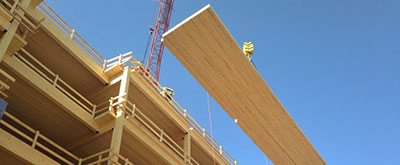
Stiles Machinery is at the forefront of providing technology and machining for producing high quality mass timber. Automated solutions for your mass timber production can increase your manufacturing quality and productivity.
-
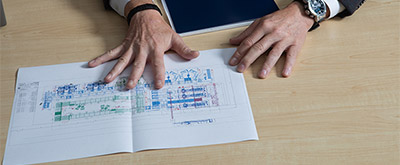
Project management services from Stiles make it easy to streamline your entire project— from concept and consultation to integration and implementation.
-

-
-
-
-
-
-
With a customized Stiles University course, we can provide expert training for your team, on-location. Whether it's programming, operation or maintenance, we want to help you train your personnel to meet your production goals efficiently and effectively.
-
Experience the trusted workforce development training and machinery knowledge you rely on from Stiles University, now at your convenience. With technology changing every day and new methods being developed constantly, Stiles University Online has the latest information and training content available at your fingertips.
-
-
-
Do you want to produce more efficiently? Processes and flows are key. We optimize these together with you, re-organize them and make sure that you reduce your lead time and save costs. This enables you to implement customized manufacturing and achieve your business goals.
-
Industrialized construction is evolving. Automation, robotics and advanced technology are raising the level of productivity, efficiency and precision for builders in North America.
-
Stiles Machinery is at the forefront of providing technology and machining for producing high quality mass timber. Automated solutions for your mass timber production can increase your manufacturing quality and productivity.
-
Project management services from Stiles make it easy to streamline your entire project— from concept and consultation to integration and implementation.
-
Why Choose Steel Studs for Your Next Construction Project?
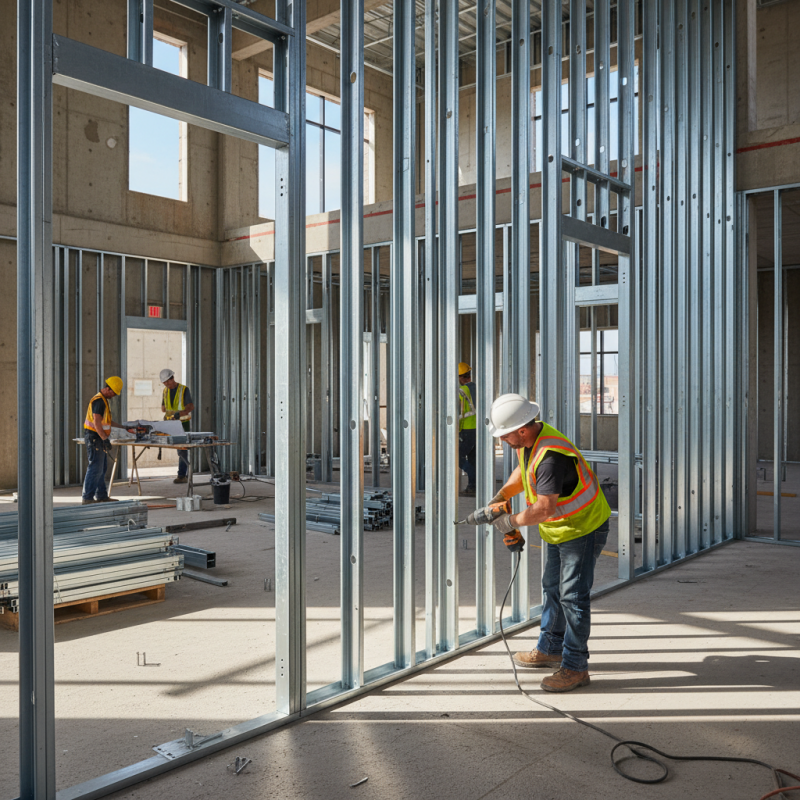
In the ever-evolving realm of construction, the choice of materials significantly influences project outcomes. Steel Studs have emerged as a popular alternative to traditional wood framing. According to a report from the American Iron and Steel Institute (AISI), steel framing can save up to 30% in material waste compared to conventional methods. Industry experts emphasize the advantages; Paul S. Thompson, a renowned structural engineer, once stated, “Steel studs offer unmatched strength and versatility, redefining the standard in modern construction.”
Steel studs prove highly durable and resistant to environmental factors. They do not warp or shrink, ensuring structural integrity over time. Projects utilizing steel studs often see reduced labor costs due to quicker assembly times. However, challenges exist. Some contractors may struggle with the initial setup and specialized tools required for steel stud installation. Even so, the long-term benefits often outweigh these initial hurdles.
As construction begins to embrace sustainable practices, steel framing aligns well with environmental goals. With a recycling rate of over 90%, steel studs are a responsible choice for eco-conscious builders. However, decision-makers must weigh the upfront investment against potential savings. The evolving landscape of construction materials necessitates careful consideration and continual re-evaluation.
Benefits of Steel Studs in Construction Projects
Steel studs are becoming a popular choice for construction projects. They offer several benefits that enhance overall building quality. One of the main advantages is their strength and durability. Unlike wood, steel does not warp or shrink. This means walls maintain their shape over time. Additionally, steel is non-combustible, improving fire resistance.
Another significant benefit is cost-effectiveness. Steel studs are often lighter, which reduces transportation and labor costs. They are easy to install, allowing for quicker project completion. This speed can lead to significant savings in time and money. However, some may argue that initial material costs are higher. It's important to consider long-term benefits against upfront expenses.
**Tip:** Always assess the weight of materials before starting your project. A lighter frame may lead to fewer foundation issues.
**Tip:** Consider environmental benefits too. Steel is recyclable and reduces waste compared to wooden studs.
Incorporating steel studs could revolutionize your approach to construction. Investing in strong materials now can save money and time later.
Why Choose Steel Studs for Your Next Construction Project? - Benefits of Steel Studs in Construction Projects
| Benefit | Description | Environmental Impact | Cost Efficiency |
|---|---|---|---|
| Durability | Steel studs resist warping, cracking, and shrinking. | Made from recyclable materials, reducing landfill waste. | Longer lifespan reduces replacement costs over time. |
| Consistency | Manufactured to strict standards for uniformity. | Environmentally friendly production processes. | Less material waste during construction. |
| Fire Resistance | Steel is non-combustible and provides safety in building. | Reducing harmful smoke and emissions in fires. | Lower insurance premiums due to increased safety. |
| Lightweight | Easy to handle and transport, reducing labor costs. | Less energy needed for transportation and handling. | Efficient use of materials lowers overall costs. |