
-
-
-
-
-
-

With a customized Stiles University course, we can provide expert training for your team, on-location. Whether it's programming, operation or maintenance, we want to help you train your personnel to meet your production goals efficiently and effectively.
-

Experience the trusted workforce development training and machinery knowledge you rely on from Stiles University, now at your convenience. With technology changing every day and new methods being developed constantly, Stiles University Online has the latest information and training content available at your fingertips.
-
-
-

Do you want to produce more efficiently? Processes and flows are key. We optimize these together with you, re-organize them and make sure that you reduce your lead time and save costs. This enables you to implement customized manufacturing and achieve your business goals.
-

Industrialized construction is evolving. Automation, robotics and advanced technology are raising the level of productivity, efficiency and precision for builders in North America.
-

Stiles Machinery is at the forefront of providing technology and machining for producing high quality mass timber. Automated solutions for your mass timber production can increase your manufacturing quality and productivity.
-

Project management services from Stiles make it easy to streamline your entire project— from concept and consultation to integration and implementation.
-



-
-
-
-
-
-
With a customized Stiles University course, we can provide expert training for your team, on-location. Whether it's programming, operation or maintenance, we want to help you train your personnel to meet your production goals efficiently and effectively.
-
Experience the trusted workforce development training and machinery knowledge you rely on from Stiles University, now at your convenience. With technology changing every day and new methods being developed constantly, Stiles University Online has the latest information and training content available at your fingertips.
-
-
-
Do you want to produce more efficiently? Processes and flows are key. We optimize these together with you, re-organize them and make sure that you reduce your lead time and save costs. This enables you to implement customized manufacturing and achieve your business goals.
-
Industrialized construction is evolving. Automation, robotics and advanced technology are raising the level of productivity, efficiency and precision for builders in North America.
-
Stiles Machinery is at the forefront of providing technology and machining for producing high quality mass timber. Automated solutions for your mass timber production can increase your manufacturing quality and productivity.
-
Project management services from Stiles make it easy to streamline your entire project— from concept and consultation to integration and implementation.
-
How to Choose the Right Stainless Steel Precision Pipe?
Choosing the right Stainless steel Precision pipe is crucial for various applications. Dr. Emily Chen, a leading expert in materials engineering, once said, "Selecting the right pipe ensures structural integrity and longevity." Her insight highlights the importance of thoughtful selection in this field.
Stainless steel precision pipes come in various grades and specifications. Each type serves specific purposes, making the choice complex. A wrong decision can lead to issues such as corrosion or structural failures. Understanding your project's requirements is essential. Factors such as pressure ratings, temperature resistance, and chemical exposure must be considered.
It’s not just about the pipe's specifications. Quality is key. Not all manufacturers maintain high standards, and reliability varies widely. Engaging with reputable suppliers can make a significant difference. While it may seem tedious to research, it plays a crucial role in ensuring project success.
Understanding Stainless Steel Grades and Their Properties
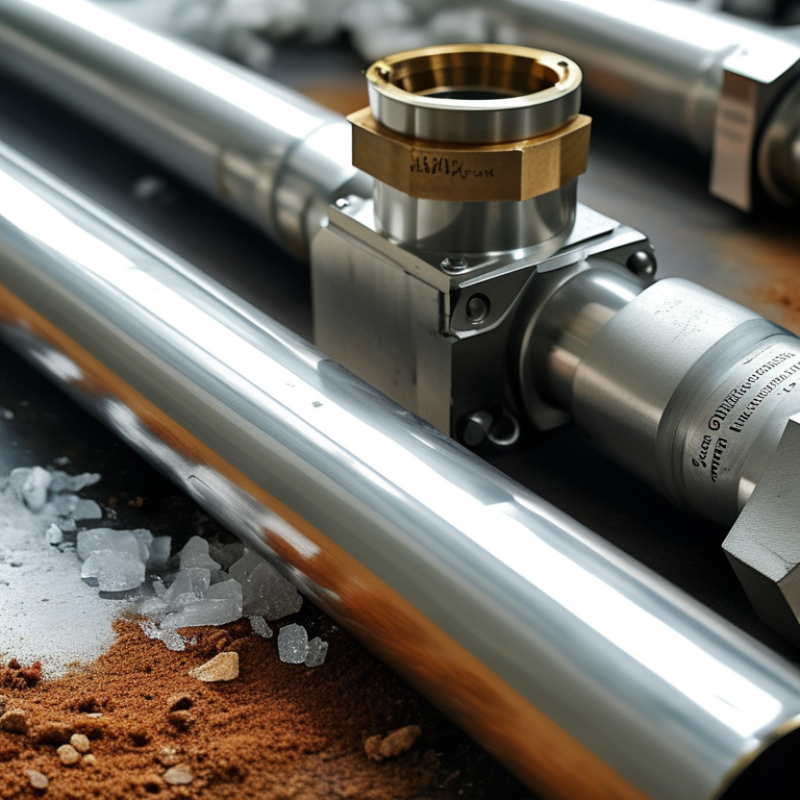
Choosing the right stainless steel precision pipe starts with understanding the various grades available. Stainless steel is categorized mainly into three groups: austenitic, ferritic, and martensitic. Each group has distinct properties that affect corrosion resistance, strength, and ductility. For example, austenitic grades, like 304 and 316, are favored for their superior corrosion resistance. They work well in food processing and chemical industries.
When selecting a stainless steel grade, consider the pipe's application, environment, and required mechanical properties. Ferritic grades are less ductile but work well in high-temperature applications. Martensitic grades offer higher strength but may be more susceptible to corrosion. Balancing these properties can be challenging. You might choose a grade that seems ideal, yet fail to account for specific environmental conditions that could undermine its performance.
Always examine the material specifications closely. Look for certifications or compliance with industry standards. Trustworthy suppliers should provide detailed information about the grade's composition and potential applications. This transparency allows you to make informed decisions. Additionally, discussing your needs with engineers or industry experts can clarify uncertainties. Engaging with specialists can reveal insights or considerations that your initial assessment overlooked.