
-
-
-
-
-
-

With a customized Stiles University course, we can provide expert training for your team, on-location. Whether it's programming, operation or maintenance, we want to help you train your personnel to meet your production goals efficiently and effectively.
-

Experience the trusted workforce development training and machinery knowledge you rely on from Stiles University, now at your convenience. With technology changing every day and new methods being developed constantly, Stiles University Online has the latest information and training content available at your fingertips.
-
-
-

Do you want to produce more efficiently? Processes and flows are key. We optimize these together with you, re-organize them and make sure that you reduce your lead time and save costs. This enables you to implement customized manufacturing and achieve your business goals.
-

Industrialized construction is evolving. Automation, robotics and advanced technology are raising the level of productivity, efficiency and precision for builders in North America.
-

Stiles Machinery is at the forefront of providing technology and machining for producing high quality mass timber. Automated solutions for your mass timber production can increase your manufacturing quality and productivity.
-

Project management services from Stiles make it easy to streamline your entire project— from concept and consultation to integration and implementation.
-



-
-
-
-
-
-
With a customized Stiles University course, we can provide expert training for your team, on-location. Whether it's programming, operation or maintenance, we want to help you train your personnel to meet your production goals efficiently and effectively.
-
Experience the trusted workforce development training and machinery knowledge you rely on from Stiles University, now at your convenience. With technology changing every day and new methods being developed constantly, Stiles University Online has the latest information and training content available at your fingertips.
-
-
-
Do you want to produce more efficiently? Processes and flows are key. We optimize these together with you, re-organize them and make sure that you reduce your lead time and save costs. This enables you to implement customized manufacturing and achieve your business goals.
-
Industrialized construction is evolving. Automation, robotics and advanced technology are raising the level of productivity, efficiency and precision for builders in North America.
-
Stiles Machinery is at the forefront of providing technology and machining for producing high quality mass timber. Automated solutions for your mass timber production can increase your manufacturing quality and productivity.
-
Project management services from Stiles make it easy to streamline your entire project— from concept and consultation to integration and implementation.
-
2026 How to Choose the Right Aerial Platform Rotary Actuator?
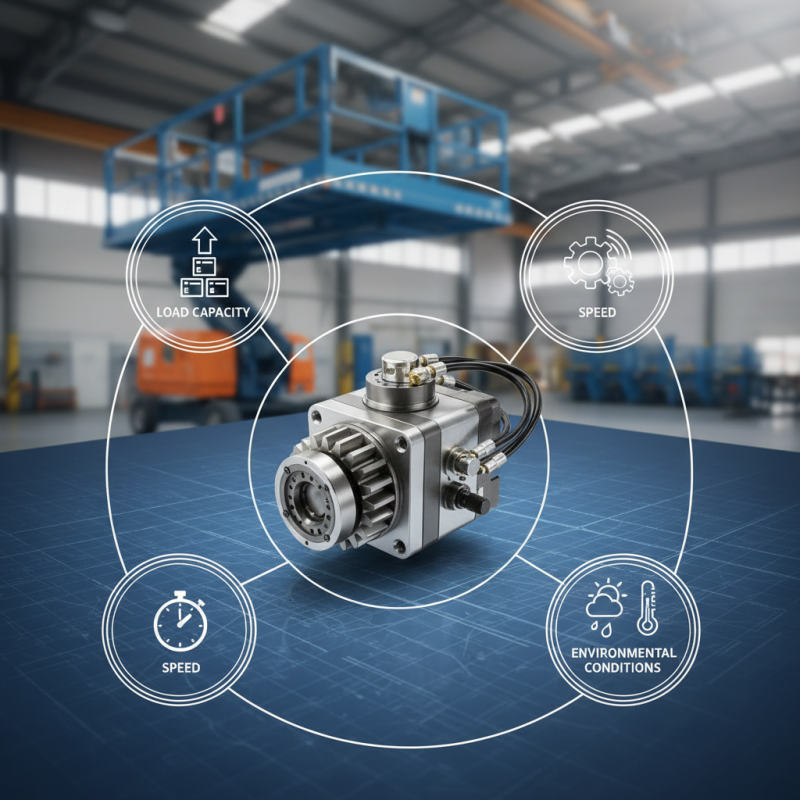
When tasked with selecting the right Aerial Platform Rotary Actuator, it's vital to understand various factors. This choice greatly impacts the functionality and efficiency of your aerial application. Many factors come into play, including load capacity, speed, and environmental conditions.
Aerial Platform Rotary Actuators are essential for smooth operation, especially in industrial settings. They help lift, lower, and rotate equipment. However, not every actuator suits every application. Consideration of the specific needs of your project can prevent costly mistakes.
Choosing the wrong actuator can lead to failures. These failures may result in safety hazards or project delays. The complexity of your aerial system demands adequate planning and precise selection. Therefore, understanding the technical specifications and capabilities of available actuators is crucial. Ensure that your decision is informed and robust.
Understanding Aerial Platform Rotary Actuators: An Overview
Understanding aerial platform rotary actuators is essential for various industries. These devices enable precise movement and are critical in construction, aviation, and robotics. According to a recent industry report, the global market for rotary actuators is expected to grow by 6.5% annually. This growth reflects increasing demands for precision and efficiency in machinery.
When selecting an aerial platform rotary actuator, consider load capacity and range of motion. Different projects require specific performance metrics. For instance, an actuator for heavy lifting must support larger loads, while others may prioritize speed over weight.
Tip: Always confirm the actuator matches your system’s specifications. Inconsistent data can lead to costly errors.
Material quality also plays a vital role. Many actuators are constructed from aluminum or carbon fiber for durability. However, cheaper options may compromise reliability. Balancing cost with quality is key.
Tip: Review user testimonials and industry certifications for guidance.
Proper maintenance can extend an actuator's lifespan. Regular checks can reveal wear or misalignment early on. Skipping these steps may lead to malfunction.
2026 How to Choose the Right Aerial Platform Rotary Actuator?
| Parameter | Value | Description |
|---|---|---|
| Torque Output | 5-300 Nm | Range of operational torque based on the actuator design. |
| Operating Voltage | 12V, 24V | Common voltage ratings for aerial platform actuators. |
| Speed | 1-10 rpm | Speed range for smooth operation and positioning. |
| Size | Compact (30cm x 15cm) | Ideal dimensions for integration in tight spaces. |
| Weight | 3-8 kg | Weight considerations for aerial platform payloads. |
| Material | Aluminum, Steel | Durable materials used for robust construction. |
| Protection Class | IP65 | Water and dust resistance rating for outdoor use. |