
-
-
-
-
-
-
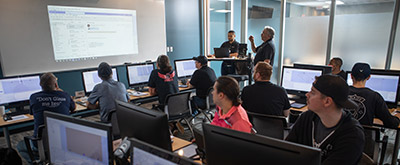
With a customized Stiles University course, we can provide expert training for your team, on-location. Whether it's programming, operation or maintenance, we want to help you train your personnel to meet your production goals efficiently and effectively.
-

Experience the trusted workforce development training and machinery knowledge you rely on from Stiles University, now at your convenience. With technology changing every day and new methods being developed constantly, Stiles University Online has the latest information and training content available at your fingertips.
-
-
-
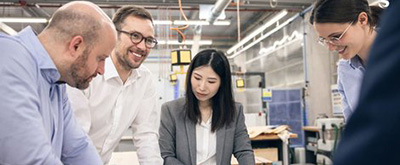
Do you want to produce more efficiently? Processes and flows are key. We optimize these together with you, re-organize them and make sure that you reduce your lead time and save costs. This enables you to implement customized manufacturing and achieve your business goals.
-
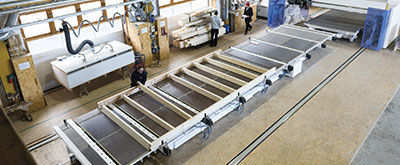
Industrialized construction is evolving. Automation, robotics and advanced technology are raising the level of productivity, efficiency and precision for builders in North America.
-
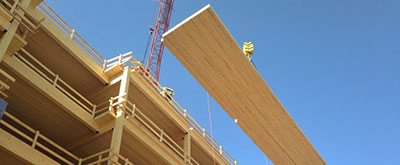
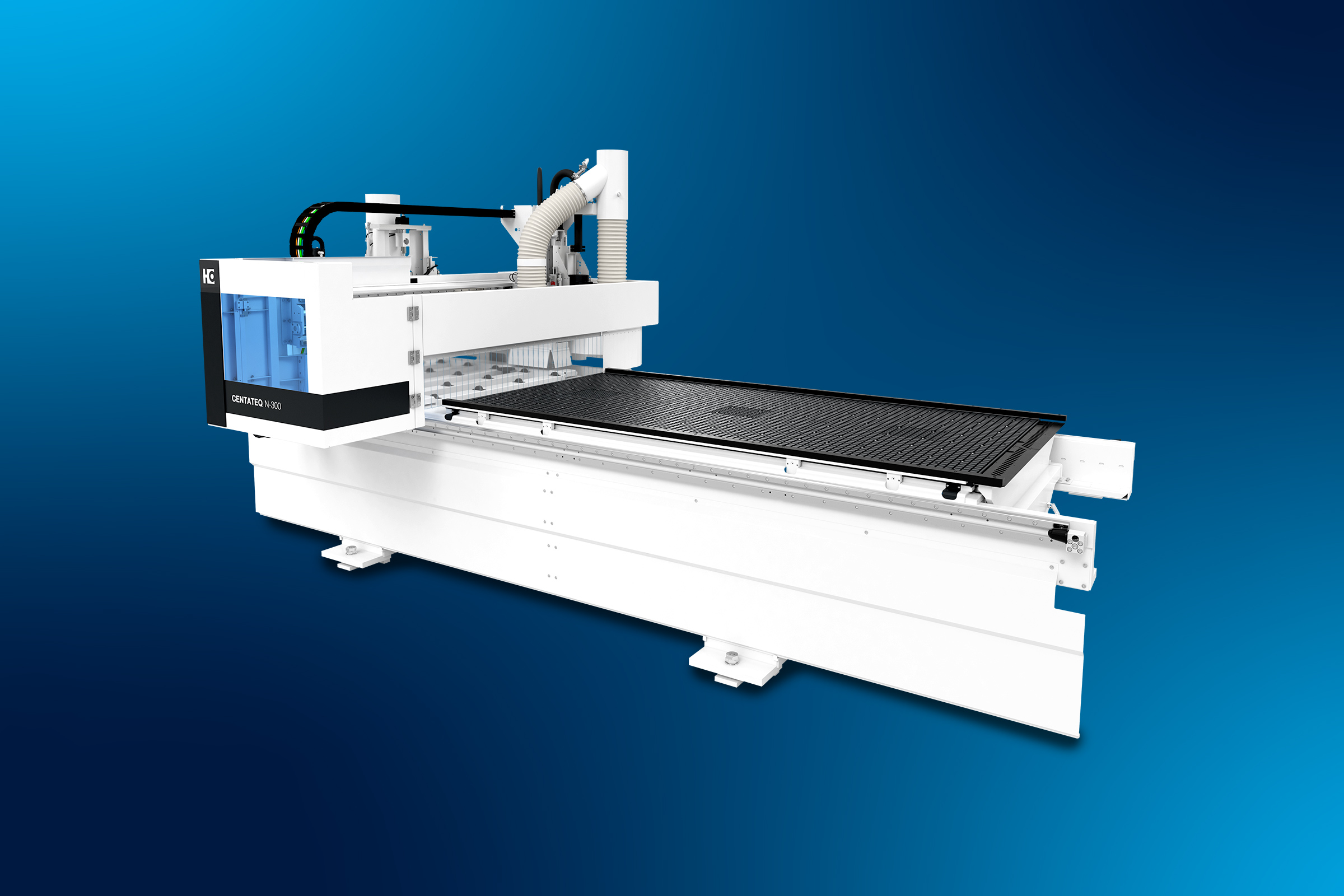
Stiles Machinery is at the forefront of providing technology and machining for producing high quality mass timber. Automated solutions for your mass timber production can increase your manufacturing quality and productivity.
-

Project management services from Stiles make it easy to streamline your entire project— from concept and consultation to integration and implementation.
-

-
-
-
-
-
-
With a customized Stiles University course, we can provide expert training for your team, on-location. Whether it's programming, operation or maintenance, we want to help you train your personnel to meet your production goals efficiently and effectively.
-
Experience the trusted workforce development training and machinery knowledge you rely on from Stiles University, now at your convenience. With technology changing every day and new methods being developed constantly, Stiles University Online has the latest information and training content available at your fingertips.
-
-
-
Do you want to produce more efficiently? Processes and flows are key. We optimize these together with you, re-organize them and make sure that you reduce your lead time and save costs. This enables you to implement customized manufacturing and achieve your business goals.
-
Industrialized construction is evolving. Automation, robotics and advanced technology are raising the level of productivity, efficiency and precision for builders in North America.
-
Stiles Machinery is at the forefront of providing technology and machining for producing high quality mass timber. Automated solutions for your mass timber production can increase your manufacturing quality and productivity.
-
Project management services from Stiles make it easy to streamline your entire project— from concept and consultation to integration and implementation.
-
How to Choose the Best Silicone 3D Printing Solutions?
Choosing the right Silicone 3d Printing solution can be daunting. With advancements in technology, the market is flooded with options. Industry expert Dr. Sarah Johnson emphasizes, “The best solution is one that meets both functionality and design needs.” This highlights the dual importance of performance and aesthetics in Silicone 3D Printing.
When evaluating options, consider factors like material compatibility and printing resolution. Different applications may demand various properties, such as flexibility, durability, or precision. Each choice has its trade-offs. For example, a highly flexible silicone might lack the strength needed for structural components.
Reflect on your project requirements. What is your primary goal? Is it cost-effectiveness, speed, or quality? As you navigate the options, remember that some solutions might not deliver as promised, leading to potential setbacks. Scrutinizing your choices can help avoid these pitfalls in the Silicone 3D Printing landscape.
Understanding Silicone 3D Printing Technology and Its Applications
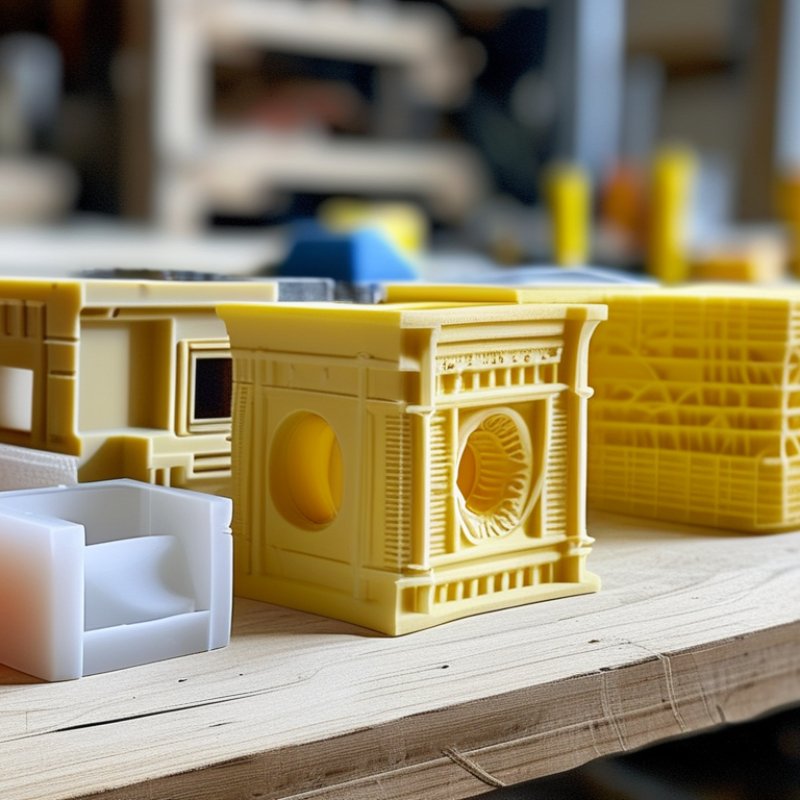
Silicone 3D printing technology offers unique advantages for various applications. It enables manufacturers to create flexible, durable parts that can withstand harsh conditions. This technology is particularly valuable in fields like healthcare, automotive, and consumer goods. For example, silicone can be used in creating custom prosthetics or soft grips for tools, enhancing user comfort.
Understanding the nuances of silicone 3D printing is essential. The printing process involves using liquid silicone rubber (LSR), which is cured using heat or UV light. This results in parts that maintain elasticity while also being strong. However, achieving optimal results can be challenging. The balance between precision and flexibility must be finely tuned, as slight errors may render a part unusable.
Choosing the right printer and materials is crucial. Not all 3D printers can handle silicone, so research is necessary. Compatibility with various types of silicone is key. Consider the application requirements, such as temperature resistance and durometer hardness, before selecting materials. Many users neglect to test prototypes; doing so can uncover issues early in the design phase, saving time and resources.