

For support and service of your machinery, Stiles has experts available 24/7 to help reduce downtime and get you back in action.
Technical Support: 616-698-6615
Service & Repairs: 616-698-7500
24/7 Parts: 1-800-727-8780
sale@inlandmachineokc.com
Parts are available from Stiles 24 hours a day, seven days a week, and are shipped from our Grand Rapids, Michigan fulfillment center.
24/7 Parts: 800-727-8780

With a customized Stiles University course, we can provide expert training for your team, on-location. Whether it's programming, operation or maintenance, we want to help you train your personnel to meet your production goals efficiently and effectively.

Experience the trusted workforce development training and machinery knowledge you rely on from Stiles University, now at your convenience. With technology changing every day and new methods being developed constantly, Stiles University Online has the latest information and training content available at your fingertips.
616-698-7500

Do you want to produce more efficiently? Processes and flows are key. We optimize these together with you, re-organize them and make sure that you reduce your lead time and save costs. This enables you to implement customized manufacturing and achieve your business goals.

Industrialized construction is evolving. Automation, robotics and advanced technology are raising the level of productivity, efficiency and precision for builders in North America.

Stiles Machinery is at the forefront of providing technology and machining for producing high quality mass timber. Automated solutions for your mass timber production can increase your manufacturing quality and productivity.

Project management services from Stiles make it easy to streamline your entire project— from concept and consultation to integration and implementation.
For support and service of your machinery, Stiles has experts available 24/7 to help reduce downtime and get you back in action.
Technical Support: 616-698-6615
Service & Repairs: 616-698-7500
24/7 Parts: 1-800-727-8780
sale@inlandmachineokc.com
Parts are available from Stiles 24 hours a day, seven days a week, and are shipped from our Grand Rapids, Michigan fulfillment center.
24/7 Parts: 800-727-8780

With a customized Stiles University course, we can provide expert training for your team, on-location. Whether it's programming, operation or maintenance, we want to help you train your personnel to meet your production goals efficiently and effectively.

Experience the trusted workforce development training and machinery knowledge you rely on from Stiles University, now at your convenience. With technology changing every day and new methods being developed constantly, Stiles University Online has the latest information and training content available at your fingertips.
616-698-7500

Do you want to produce more efficiently? Processes and flows are key. We optimize these together with you, re-organize them and make sure that you reduce your lead time and save costs. This enables you to implement customized manufacturing and achieve your business goals.

Industrialized construction is evolving. Automation, robotics and advanced technology are raising the level of productivity, efficiency and precision for builders in North America.

Stiles Machinery is at the forefront of providing technology and machining for producing high quality mass timber. Automated solutions for your mass timber production can increase your manufacturing quality and productivity.

Project management services from Stiles make it easy to streamline your entire project— from concept and consultation to integration and implementation.
For support and service of your machinery, Stiles has experts available 24/7 to help reduce downtime and get you back in action.
Technical Support: 616-698-6615 Service & Repairs: 616-698-7500 24/7 Parts: 1-800-727-8780
Parts are available from Stiles 24 hours a day, seven days a week, and are shipped from our Grand Rapids, Michigan fulfillment center.
24/7 Parts: 800-727-8780For support and service of your machinery, Stiles has experts available 24/7 to help reduce downtime and get you back in action.
Technical Support: 616-698-6615 Service & Repairs: 616-698-7500 24/7 Parts: 1-800-727-8780
Parts are available from Stiles 24 hours a day, seven days a week, and are shipped from our Grand Rapids, Michigan fulfillment center.
24/7 Parts: 800-727-8780When selecting a Side Wall Conveyor Belt, it's essential to understand your specific requirements. Various industries utilize these belts for different purposes. They efficiently transport materials, often in limited spaces. However, the wrong choice can lead to inefficiencies.
The material, width, and height of the side walls are crucial factors. You must consider the types of goods being transported. It is not a one-size-fits-all solution. Engaging with manufacturers can provide valuable insights into their offerings. They often have technical expertise that can guide your decision.
Reflect on your operational needs and challenges. Choosing the right Side Wall Conveyor Belt requires careful consideration. It’s not just about functionality; durability and maintenance play significant roles too. Ultimately, investing time in research will yield long-term benefits.
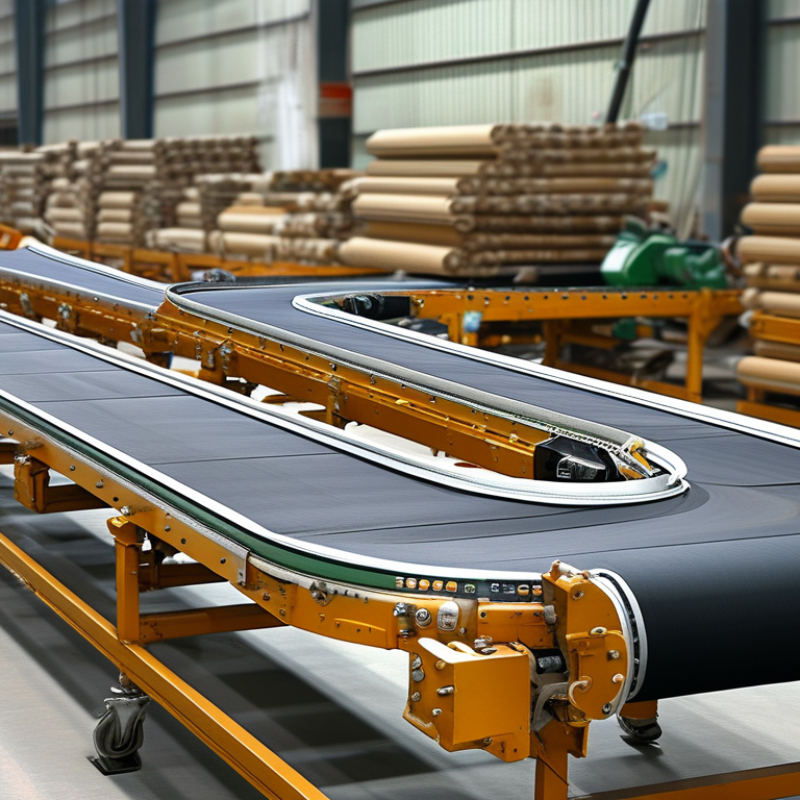
Side wall conveyor belts are essential components in various industries. These belts help transport materials at steep angles, maximizing space and efficiency. Understanding their applications can significantly impact operational performance. These belts are often used in packaging, food processing, and mining. They carry bulk materials like grains, coal, or aggregates vertically or on inclines.
Choosing the right side wall conveyor belt goes beyond size and material. The belt's angle of inclination is crucial. A steeper angle can save floor space but may require a more robust design. The type of side wall also matters. Some sides are designed for specific materials, ensuring secure transport. This prevents spills and contamination in sensitive environments.
Tips: Evaluate your material's weight and size before selecting a belt. Ensure the side walls match the material characteristics. Testing different angles can reveal the optimal configuration. Always consider the overall system design. Remember, it's important to reflect on your needs and potential limitations. Seek expert advice when necessary.
Choosing the right side wall conveyor belt is crucial for efficient material handling. Several key factors influence your selection. First, consider the material being transported. Different materials, such as aggregates or food products, require specific belt designs. The side walls must be compatible with the load type.
The incline angle is another important factor. You need a belt that can handle steep angles without material spillages. An inadequate choice can lead to operational issues. Assess your system’s requirements to determine the ideal angle.
**Tips:** Always check the quality of the side walls. Look for durable materials that withstand wear. This will reduce maintenance costs in the long run. Regular inspections can help identify early signs of wear.
When it comes to width and length, ensure the belt fits your conveyor system. An ill-fitting belt can lead to jams and inefficient operation. Get precise measurements to avoid problems down the road.
**Tips:** Test different configurations before final selection. This can help you discover unexpected performance issues. It’s better to sample various designs to find the optimum solution.
When selecting a side wall conveyor belt, material choice is crucial. Different materials offer distinct benefits that align with specific operational needs. For instance, rubber is widely used for its durability and tensile strength. According to industry reports, rubber belts can handle heavy loads and withstand harsh conditions, making them suitable for mining and construction applications.
Plastic belts are another popular option. They are lighter and provide better flexibility, which aids in smoother operation. Research shows that plastic belts can reduce energy consumption by up to 40%, contributing to cost savings in large operations. However, they might not perform as well under extreme temperatures, which is a limitation worth considering.
Fabric-reinforced belts combine the advantages of both rubber and plastic. They maintain strength while offering lightweight features. This versatility makes them ideal for food processing and packaging industries. However, concerns about wear and tear persist, as fabric belts may not last as long as their rubber counterparts in high-stress environments. Evaluating these material choices is essential to finding a suitable side wall conveyor belt for your specific application.
| Material Type | Benefits | Common Applications | Temperature Resistance |
|---|---|---|---|
| PVC (Polyvinyl Chloride) | Cost-effective, good flexibility, and resistant to abrasion | Lightweight materials, food processing | -10°C to 80°C |
| PU (Polyurethane) | High durability and resistance to oils and chemicals | Heavy-duty applications, automotive industry | -20°C to 90°C |
| Rubber | Excellent grip and shock absorption, dependable for heavy loads | Mining, aggregate handling, and recycling | -30°C to 100°C |
| Nylon | High tensile strength, lightweight, and resistant to wear | Textile, light industrial applications | -40°C to 90°C |
Choosing the right side wall conveyor belt requires careful assessment of load capacity and dimensions. Understanding the weight and size of the materials you need to transport is crucial. Many industry reports suggest that nearly 30% of operational issues arise from improper belt selection.
Load capacity is the first key factor. If the belt cannot handle the weight, it will fail. Most standard conveyor systems operate between 500 to 5,000 pounds. However, some belts can manage higher loads. It becomes important to consult technical specifications to ensure you meet your specific operational needs.
Dimensions also play a role in efficiency. The width and length of the belt must fit your existing systems. For example, a belt that is too narrow can cause spillage. Reports show that spillage can increase operational costs by up to 15%. Additionally, consider the incline angle of your conveyor. A steeper incline requires a belt with better grip and stability. Regular assessments can prevent costly downtimes.
Maintaining side wall conveyor belts is essential for ensuring their longevity and performance. Regular inspections are crucial. A report from the Conveyor Equipment Manufacturers Association (CEMA) indicates that improper maintenance can lead to a 30% decrease in efficiency. This can significantly slow production processes and incur additional costs. Monitoring wear patterns and alignment on an ongoing basis can prevent unexpected failures.
Lubrication also plays an important role. Using the right lubricants reduces friction and wear. Moreover, technical references suggest that regular lubrication schedules can extend belt life by up to 50%. It is vital to choose lubricants compatible with your belt materials. Improper choices can lead to deterioration and costly repairs.
Another key aspect is the environment where the conveyor operates. Dust, moisture, and extreme temperatures can impact belt integrity. For example, exposure to certain chemicals can degrade belt material over time. Regular cleaning and environmental assessments help mitigate these risks. A proactive maintenance approach ensures that side wall conveyor belts operate efficiently while minimizing downtime. This attention to detail helps to protect your investment in conveyor technology.







