

For support and service of your machinery, Stiles has experts available 24/7 to help reduce downtime and get you back in action.
Technical Support: 616-698-6615
Service & Repairs: 616-698-7500
24/7 Parts: 1-800-727-8780
sale@inlandmachineokc.com
Parts are available from Stiles 24 hours a day, seven days a week, and are shipped from our Grand Rapids, Michigan fulfillment center.
24/7 Parts: 800-727-8780

With a customized Stiles University course, we can provide expert training for your team, on-location. Whether it's programming, operation or maintenance, we want to help you train your personnel to meet your production goals efficiently and effectively.

Experience the trusted workforce development training and machinery knowledge you rely on from Stiles University, now at your convenience. With technology changing every day and new methods being developed constantly, Stiles University Online has the latest information and training content available at your fingertips.
616-698-7500

Do you want to produce more efficiently? Processes and flows are key. We optimize these together with you, re-organize them and make sure that you reduce your lead time and save costs. This enables you to implement customized manufacturing and achieve your business goals.

Industrialized construction is evolving. Automation, robotics and advanced technology are raising the level of productivity, efficiency and precision for builders in North America.

Stiles Machinery is at the forefront of providing technology and machining for producing high quality mass timber. Automated solutions for your mass timber production can increase your manufacturing quality and productivity.

Project management services from Stiles make it easy to streamline your entire project— from concept and consultation to integration and implementation.
For support and service of your machinery, Stiles has experts available 24/7 to help reduce downtime and get you back in action.
Technical Support: 616-698-6615
Service & Repairs: 616-698-7500
24/7 Parts: 1-800-727-8780
sale@inlandmachineokc.com
Parts are available from Stiles 24 hours a day, seven days a week, and are shipped from our Grand Rapids, Michigan fulfillment center.
24/7 Parts: 800-727-8780

With a customized Stiles University course, we can provide expert training for your team, on-location. Whether it's programming, operation or maintenance, we want to help you train your personnel to meet your production goals efficiently and effectively.

Experience the trusted workforce development training and machinery knowledge you rely on from Stiles University, now at your convenience. With technology changing every day and new methods being developed constantly, Stiles University Online has the latest information and training content available at your fingertips.
616-698-7500

Do you want to produce more efficiently? Processes and flows are key. We optimize these together with you, re-organize them and make sure that you reduce your lead time and save costs. This enables you to implement customized manufacturing and achieve your business goals.

Industrialized construction is evolving. Automation, robotics and advanced technology are raising the level of productivity, efficiency and precision for builders in North America.

Stiles Machinery is at the forefront of providing technology and machining for producing high quality mass timber. Automated solutions for your mass timber production can increase your manufacturing quality and productivity.

Project management services from Stiles make it easy to streamline your entire project— from concept and consultation to integration and implementation.
For support and service of your machinery, Stiles has experts available 24/7 to help reduce downtime and get you back in action.
Technical Support: 616-698-6615 Service & Repairs: 616-698-7500 24/7 Parts: 1-800-727-8780
Parts are available from Stiles 24 hours a day, seven days a week, and are shipped from our Grand Rapids, Michigan fulfillment center.
24/7 Parts: 800-727-8780For support and service of your machinery, Stiles has experts available 24/7 to help reduce downtime and get you back in action.
Technical Support: 616-698-6615 Service & Repairs: 616-698-7500 24/7 Parts: 1-800-727-8780
Parts are available from Stiles 24 hours a day, seven days a week, and are shipped from our Grand Rapids, Michigan fulfillment center.
24/7 Parts: 800-727-8780Choosing the right Machine Safety Door is crucial for industrial settings. Expert John Smith, a leading safety engineer, emphasizes, “The right door can save lives.” These doors protect workers from hazardous machinery. Yet, with so many options available, making the right choice can be daunting.
Machine Safety Doors come in various materials and configurations. Each option has unique benefits, depending on the specific environment. For instance, stainless steel doors offer durability in heavy-use areas. Meanwhile, composite doors may be better for less demanding applications. Understanding these differences is key to making an informed decision.
Moreover, companies often overlook the importance of maintenance. A Machine Safety Door that isn't properly maintained can fail when needed most. Regular inspections and timely repairs are essential. It's not just about the initial purchase; it's about long-term safety. Reflecting on these points ensures that your choice enhances workplace safety effectively.
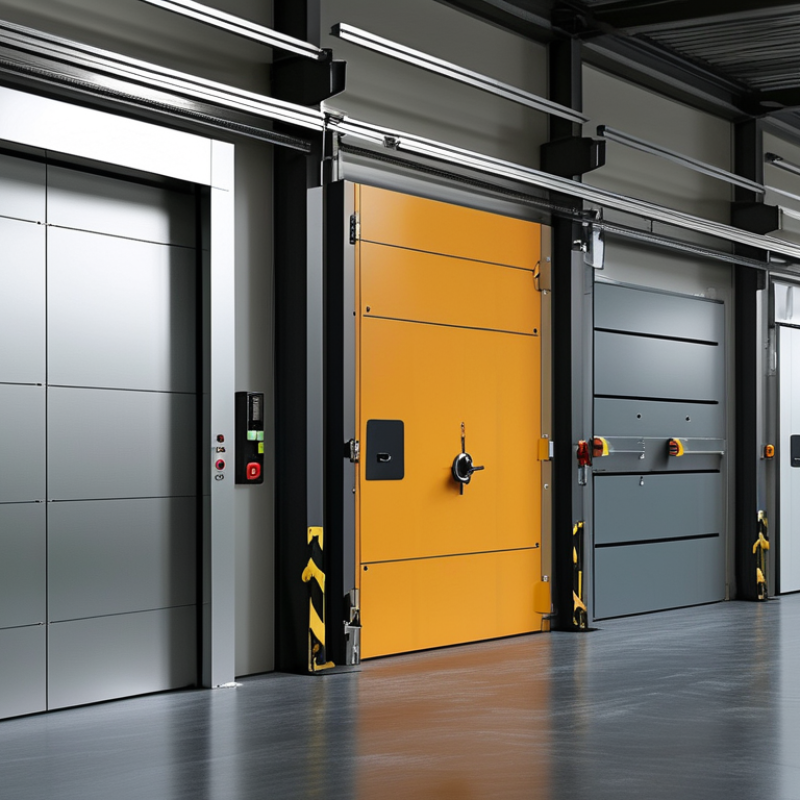
When selecting machine safety doors, understanding the types available is crucial. There are three main categories: sliding doors, hinged doors, and bi-fold doors. Each type has distinct characteristics, allowing flexibility based on the machinery environment. According to a 2022 industry report, sliding doors are preferred in high-traffic areas for their space-saving design. In contrast, hinged doors provide easier access but require more room to swing open.
The materials used in these doors also matter. Metal is common for durability, while transparent polycarbonate improves visibility. A recent survey indicated that about 40% of manufacturers prioritize visibility in their safety features. This preference highlights the importance of having a clear view of the operation inside the area. However, some users reported discomfort due to glare or distortion in transparent materials.
Additionally, functionality should not be overlooked. Many doors are automated, integrating sensors for added safety. Yet, this technology can malfunction, risking safety. A 2021 study showed that 30% of accidents were linked to faulty safety equipment, emphasizing the need for thorough maintenance. There is always room for improvement in design and safety implementation. Balancing these choices can sometimes lead to oversights, and reflection on previous decisions is necessary for optimal safety.
Choosing the right machine safety door is essential for operational safety. There are several key features to consider. One critical aspect is the door's ability to withstand impact. According to the Machinery Safety Standards report, about 30% of workplace accidents occur due to inadequate safety equipment. Ensuring your door can handle the demands of heavy machinery is crucial.
Another vital feature is the door's locking mechanism. A reliable lock prevents unauthorized access while allowing quick egress during an emergency. A recent industry study shows that 25% of safety incidents are linked to improper access control. Regular assessments and updates of these mechanisms can increase overall safety levels.
Visibility is also important. Transparent panels can enhance awareness of machine operation. Yet, some employees might overlook this feature, focusing instead on structural elements. Ensuring a balance between visibility and durability can improve both safety and productivity. Consideration of these elements will lead to better safety outcomes in the workplace.
When selecting a machine safety door, understanding compliance standards is crucial. Compliance with the OSHA regulations is essential for workplace safety. These guidelines help ensure that safety doors meet specific performance criteria. According to a recent report, 75% of workplace accidents are linked to inadequate safety measures. This statistic underscores the importance of adhering to compliance standards.
The European Machinery Directive also provides detailed safety requirements. These standards are designed to protect operators and maintenance personnel. For instance, the EN 953 standard outlines the minimum design and performance specifications for safety doors. Companies that ignore these guidelines may face legal and financial repercussions. Moreover, audits often reveal that nearly 30% of machines lack adequate safety features.
Evaluating compliance involves more than just checking boxes. Regular assessments are necessary to adapt to evolving standards. Utilizing risk assessment tools can help managers identify gaps in safety protocols. As industries advance, staying compliant is not just a requirement; it's a reflection of a company's commitment to safety.
Choosing the right machine safety door involves evaluating its durability and maintenance needs. According to a report by the National Safety Council, nearly 40% of workplace injuries stem from machine-related accidents. A robust safety door can significantly reduce these risks. Selecting materials like steel or reinforced plastic can enhance durability, as these materials withstand high-impact environments. A recent study highlighted that safety doors made from these materials typically last 10 years longer than their counterparts.
Maintenance is crucial for ensuring the longevity of safety doors. Regular checks for wear and tear are essential. Reports show that companies that implement routine maintenance can reduce costs by 30% over time. Moreover, visual inspections play a vital role. Safety doors should be free of obstructions and function smoothly. Minor adjustments can prevent larger issues. It's worth noting that neglecting maintenance can lead to catastrophic failures, increasing liability concerns.
Evaluate your operational environment. High-traffic areas may require different doors than low-use zones. Adapting to specific safety needs is key. Also, consult industry standards. They provide insights into expected performance and maintenance schedules. Balancing durability with maintenance needs can lead to better decision-making. Investing in the right safety door protects both employees and assets.
When selecting a safety door, understanding specific industry needs is crucial. Different sectors have unique challenges. For example, manufacturing environments often require robust solutions. According to a report by the National Safety Council, approximately 80% of workplace injuries occur in manufacturing settings. Hence, choosing the right safety door can significantly reduce risks.
Certain doors are designed for heavy-duty environments. They often feature materials like steel or reinforced composites. These materials withstand impact and provide durability. An effective safety door can also enhance workflow. In high-traffic areas, quick-access features are essential. This allows for seamless movement while ensuring safety protocols remain intact.
**Tip:** Evaluate the door's certifications. Safety doors should meet specific ANSI or ISO standards. Always request documentation to verify these claims.
Another consideration is the door's automation features. Automated safety doors increase efficiency. They can be particularly beneficial in food processing plants. These environments require strict hygiene. Contactless operations lessen contamination risks.
**Tip:** Consider the ease of maintenance. A door that is difficult to maintain may lead to safety lapses. Regular upkeep is vital for optimal performance. Evaluate your team's ability to perform necessary maintenance tasks.







