
For support and service of your machinery, Stiles has experts available 24/7 to help reduce downtime and get you back in action.
Technical Support: 616-698-6615
Service & Repairs: 616-698-7500
24/7 Parts: 1-800-727-8780
sale@inlandmachineokc.com
Parts are available from Stiles 24 hours a day, seven days a week, and are shipped from our Grand Rapids, Michigan fulfillment center.
24/7 Parts: 800-727-8780

With a customized Stiles University course, we can provide expert training for your team, on-location. Whether it's programming, operation or maintenance, we want to help you train your personnel to meet your production goals efficiently and effectively.

Experience the trusted workforce development training and machinery knowledge you rely on from Stiles University, now at your convenience. With technology changing every day and new methods being developed constantly, Stiles University Online has the latest information and training content available at your fingertips.
616-698-7500

Do you want to produce more efficiently? Processes and flows are key. We optimize these together with you, re-organize them and make sure that you reduce your lead time and save costs. This enables you to implement customized manufacturing and achieve your business goals.

Industrialized construction is evolving. Automation, robotics and advanced technology are raising the level of productivity, efficiency and precision for builders in North America.

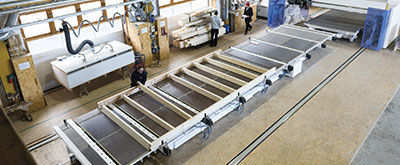
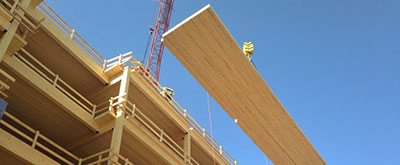
Stiles Machinery is at the forefront of providing technology and machining for producing high quality mass timber. Automated solutions for your mass timber production can increase your manufacturing quality and productivity.

Project management services from Stiles make it easy to streamline your entire project— from concept and consultation to integration and implementation.
For support and service of your machinery, Stiles has experts available 24/7 to help reduce downtime and get you back in action.
Technical Support: 616-698-6615
Service & Repairs: 616-698-7500
24/7 Parts: 1-800-727-8780
sale@inlandmachineokc.com
Parts are available from Stiles 24 hours a day, seven days a week, and are shipped from our Grand Rapids, Michigan fulfillment center.
24/7 Parts: 800-727-8780

With a customized Stiles University course, we can provide expert training for your team, on-location. Whether it's programming, operation or maintenance, we want to help you train your personnel to meet your production goals efficiently and effectively.

Experience the trusted workforce development training and machinery knowledge you rely on from Stiles University, now at your convenience. With technology changing every day and new methods being developed constantly, Stiles University Online has the latest information and training content available at your fingertips.
616-698-7500

Do you want to produce more efficiently? Processes and flows are key. We optimize these together with you, re-organize them and make sure that you reduce your lead time and save costs. This enables you to implement customized manufacturing and achieve your business goals.

Industrialized construction is evolving. Automation, robotics and advanced technology are raising the level of productivity, efficiency and precision for builders in North America.

Stiles Machinery is at the forefront of providing technology and machining for producing high quality mass timber. Automated solutions for your mass timber production can increase your manufacturing quality and productivity.

Project management services from Stiles make it easy to streamline your entire project— from concept and consultation to integration and implementation.
For support and service of your machinery, Stiles has experts available 24/7 to help reduce downtime and get you back in action.
Technical Support: 616-698-6615 Service & Repairs: 616-698-7500 24/7 Parts: 1-800-727-8780
Parts are available from Stiles 24 hours a day, seven days a week, and are shipped from our Grand Rapids, Michigan fulfillment center.
24/7 Parts: 800-727-8780For support and service of your machinery, Stiles has experts available 24/7 to help reduce downtime and get you back in action.
Technical Support: 616-698-6615 Service & Repairs: 616-698-7500 24/7 Parts: 1-800-727-8780
Parts are available from Stiles 24 hours a day, seven days a week, and are shipped from our Grand Rapids, Michigan fulfillment center.
24/7 Parts: 800-727-8780Choosing the right Electric Sensor Switch can be challenging. With so many options, making an informed decision is crucial. James Anderson, an expert in home automation, states, “The right switch can enhance both convenience and energy efficiency.” Understanding your specific needs is the first step.
Electric Sensor Switches vary in functionality, design, and price. Some are motion-activated, while others use light sensors or timers. Each type serves different purposes in residential or commercial settings. Assessing your installation environment is key. Consider factors such as location, lighting conditions, and user habits. Only then can you find the right fit.
In this process, it’s easy to overlook important details. For instance, compatibility with existing systems may be neglected. Some features might seem appealing but could complicate use. Therefore, focus on simplicity. Ultimately, the best Electric Sensor Switch promotes ease of use and energy savings. It’s about making smart choices for your specific environment.
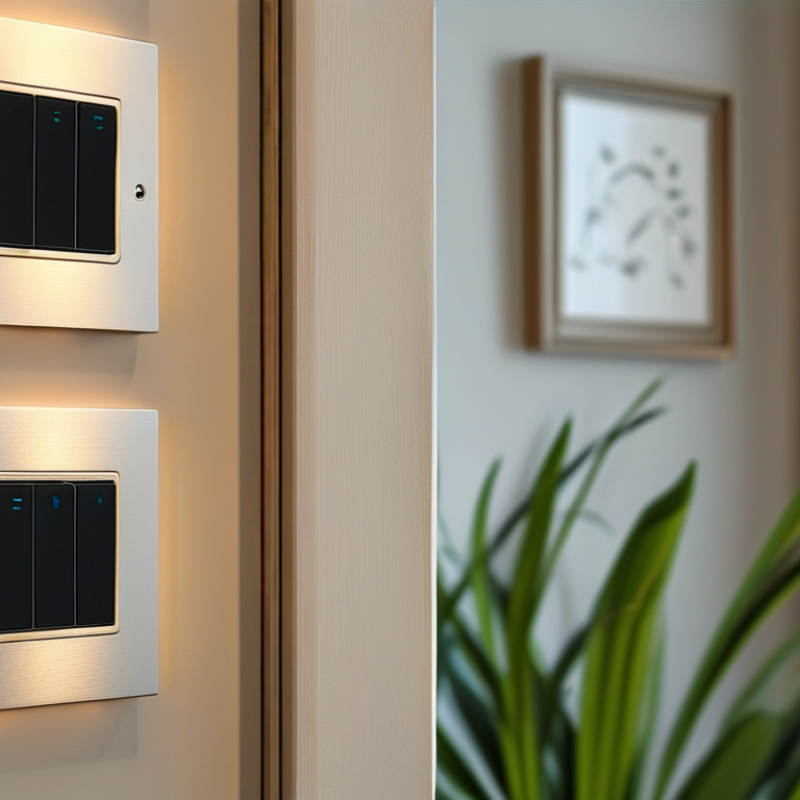
Choosing the right electric sensor switch can greatly enhance your automation experience. There are several types available, each serving distinct purposes. Motion sensor switches detect movement, perfect for security and convenience. Light sensors react to ambient light levels, adjusting automatically to save energy. These switches can simplify daily tasks while improving safety.
Understanding their structure is crucial. Some switches offer adjustable sensitivity. This feature allows customization based on your surroundings. For instance, a high sensitivity setting might be ideal in a busy area, while a lower setting suits quieter spaces. Consider your needs carefully.
Installation is another area to reflect on. Some switches require professional help, while others are DIY-friendly. Complexity can vary widely. Remember, not every switch fits every use case. Take time to analyze your environment before deciding. A miscalculation could lead to frequent false activations or inadequate coverage. Investing in precise selections can enhance reliability and efficiency.
| Type | Detection Range | Power Source | Installation Type | Ideal Use Case |
|---|---|---|---|---|
| PIR Sensor | Up to 12 meters | AC | Wall-mounted | Security and Lighting |
| Ultrasonic Sensor | Up to 8 meters | AC or DC | Ceiling-mounted | HVAC and Lighting Control |
| Microwave Sensor | Up to 15 meters | AC or DC | Wall or Ceiling-mounted | Outdoor Lighting and Movement Detection |
| Photoelectric Sensor | Varies based on model | AC | Variety (Mounting Options) | Enter/Exit detection (Doors/Gates) |
When selecting an electric sensor switch, technical specifications play a crucial role. Voltage ratings indicate the amount of electrical potential the switch can handle. Ensure you choose a switch that meets the voltage requirements of your specific application. Devices operating at higher voltages require switches designed for durability under these conditions.
Current rating is equally important. It refers to the maximum current the switch can carry without overheating. A higher current rating allows for more versatility in applications. However, using a switch that exceeds its rating can lead to failure. It's essential to assess your needs carefully.
Tips: Always consult the manufacturer's guidelines to avoid incorrect usage. Check for compatibility with your existing systems. Sensitivity also matters, especially for motion sensors. Too high a sensitivity can lead to false activations, causing frustration. Evaluate the environment where the switch will be used. Adaptability to various conditions ensures reliable performance. Selecting the right specifications requires consideration and attention to detail. Each choice influences the efficiency and longevity of the switch in practical use.
When choosing an electric sensor switch, installation requirements vary significantly between models. Understanding these requirements is crucial for optimal performance. Some switches are battery-operated, while others require hard-wiring. Battery-operated switches offer flexibility but necessitate regular battery changes. Hard-wired options often provide more reliable performance. Ensure you select the type that fits your home’s infrastructure.
Compatibility with existing electrical systems is vital. Many sensor switches need specific voltage levels. It’s essential to check if you have the necessary wiring in place. Some installations may require professional assistance. If you’re unsure about your skills, hiring an electrician is a prudent choice. Cost and effort are valid considerations here.
Accessibility is another factor. Some switches are designed for easy access, while others may sit in less reachable spots. Installing in a convenient location enhances usability. Think about the arrangement of your space and how the switch will be used. Reflect on your lifestyle too. A too-complex setup can lead to frustration. Take your time to weigh your options carefully.
When selecting an electric sensor switch, understanding industry standards is crucial. Reliable products often meet specific safety certifications. These certifications ensure that the products can withstand specific environmental conditions and usage scenarios. For instance, look for IP ratings which indicate the level of protection against dust and moisture. This number will help you gauge a product's durability.
Different sectors may have unique standards. A switch for industrial use may require different certifications than one designed for home use. Research the regulations relevant to your project. It is essential to know the basic requirements of your industry. Sometimes, products can appear reliable but lack the necessary certifications. This could lead to safety risks down the line.
Choosing the right electric sensor switch is daunting. Pay attention to details like installation procedures and product longevity. A poorly designed switch can cause significant inconvenience and potential hazards. Reflect on your choices thoroughly. Learn from others in your field. Their experiences can provide valuable insights into what to look for when choosing a switch.
This chart displays the distribution of electric sensor switches according to various industry standards and certifications. The data indicates the number of products certified under popular standards like UL Listed, CE Certified, FCC Approved, RoHS Compliant, and Energy Star Rated. This information can help consumers make informed decisions when selecting electric sensor switches based on reliability and safety.
When considering electric sensor switches, the cost can vary significantly based on features and technology. Basic models may be affordable, but they often lack the advanced functionalities that enhance usability and efficiency. Smart sensors, for instance, may have a higher sticker price but offer significant energy savings over time. Using a few dollars more upfront can result in lower electricity bills and extended device life.
Long-term benefits should be a priority. Some sensors come with built-in durability features, ensuring longevity even in harsh conditions. This can mean fewer replacements and less waste. However, purchasing high-end switches without understanding your needs can lead to overspending. It’s important to assess your specific use cases. An elaborate setup may not be necessary for every application.
Consider installation and maintenance costs as well. While some electric sensor switches are easy to install, others might require professional involvement. This adds to the initial investment. Avoiding a comprehensive analysis may leave you dissatisfied with your choice in the future. Evaluate each option with an open mind, ensuring it aligns with both your present demands and future aspirations.