
-
-
-
-
-
-

With a customized Stiles University course, we can provide expert training for your team, on-location. Whether it's programming, operation or maintenance, we want to help you train your personnel to meet your production goals efficiently and effectively.
-

Experience the trusted workforce development training and machinery knowledge you rely on from Stiles University, now at your convenience. With technology changing every day and new methods being developed constantly, Stiles University Online has the latest information and training content available at your fingertips.
-
-
-

Do you want to produce more efficiently? Processes and flows are key. We optimize these together with you, re-organize them and make sure that you reduce your lead time and save costs. This enables you to implement customized manufacturing and achieve your business goals.
-

Industrialized construction is evolving. Automation, robotics and advanced technology are raising the level of productivity, efficiency and precision for builders in North America.
-

Stiles Machinery is at the forefront of providing technology and machining for producing high quality mass timber. Automated solutions for your mass timber production can increase your manufacturing quality and productivity.
-

Project management services from Stiles make it easy to streamline your entire project— from concept and consultation to integration and implementation.
-



-
-
-
-
-
-
With a customized Stiles University course, we can provide expert training for your team, on-location. Whether it's programming, operation or maintenance, we want to help you train your personnel to meet your production goals efficiently and effectively.
-
Experience the trusted workforce development training and machinery knowledge you rely on from Stiles University, now at your convenience. With technology changing every day and new methods being developed constantly, Stiles University Online has the latest information and training content available at your fingertips.
-
-
-
Do you want to produce more efficiently? Processes and flows are key. We optimize these together with you, re-organize them and make sure that you reduce your lead time and save costs. This enables you to implement customized manufacturing and achieve your business goals.
-
Industrialized construction is evolving. Automation, robotics and advanced technology are raising the level of productivity, efficiency and precision for builders in North America.
-
Stiles Machinery is at the forefront of providing technology and machining for producing high quality mass timber. Automated solutions for your mass timber production can increase your manufacturing quality and productivity.
-
Project management services from Stiles make it easy to streamline your entire project— from concept and consultation to integration and implementation.
-
How to Choose the Best CNG Piston Compressor for Your Needs?
Choosing the right CNG piston compressor can significantly impact operational efficiency. In recent years, the demand for compressed natural gas (CNG) systems has surged, driven by rising environmental concerns and the need for cost-effective energy solutions. According to a report by MarketsandMarkets, the global CNG compressor market is projected to reach USD 2.62 billion by 2025, growing at a CAGR of 6.5%.
Selecting a suitable CNG piston compressor involves considering various factors. Efficiency ratings and engine compatibility are paramount. Key statistics indicate that well-chosen compressors can enhance fuel efficiency by up to 30%. However, the market offers various models with differing features, which can lead to confusion. Many buyers underestimate their specific needs, resulting in suboptimal choices that compromise performance or durability.
It is crucial to consult reputable sources and industry experts when making your decision. A compressor that meets your needs today may not suffice tomorrow. Doing thorough research can prevent costly mistakes. Understanding your unique requirements is essential to maximizing the value of your CNG piston compressor investment.
Understanding the Basics of CNG Piston Compressors
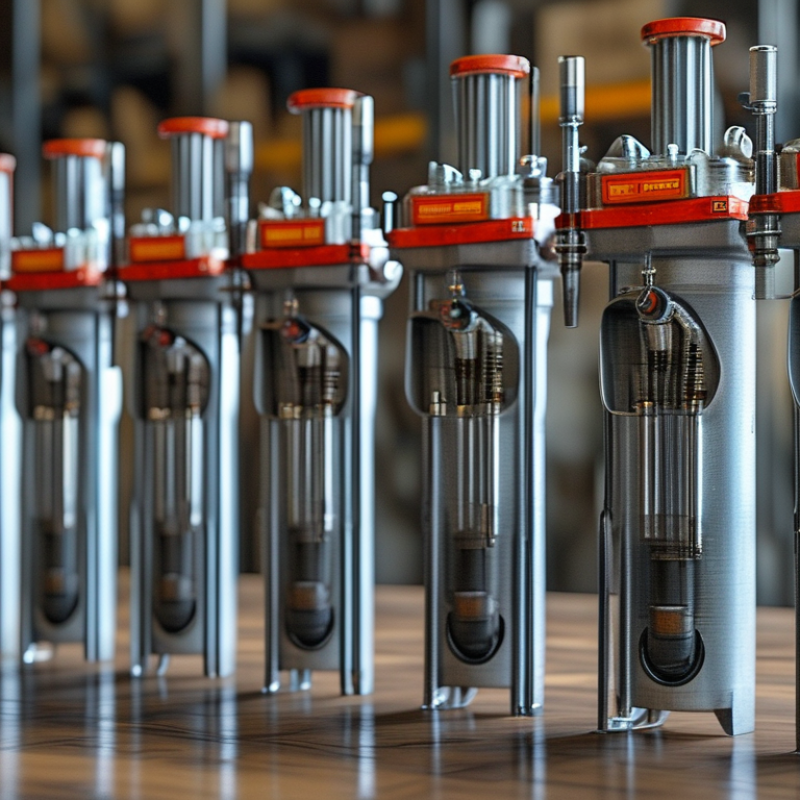
CNG piston compressors play a vital role in natural gas applications. Understanding their basic operation helps users identify the right model for specific needs. These compressors work by drawing in natural gas and compressing it through a piston mechanism. Reports indicate that this compression leads to a significant increase in gas pressure, making it suitable for storage and transportation. The efficiency of these compressors often depends on their design and materials used.
One key factor to consider is the compressor's flow rate, usually measured in cubic feet per minute (CFM). A report from the Gas Technology Institute suggests that a well-chosen compressor can achieve between 25% to 40% higher efficiency compared to poorly designed units. However, not all designs are foolproof. Achieving optimum performance requires careful maintenance and regular performance assessments. Users may need to reflect on their specific requirements, such as maximum pressure and gas volume, to ensure they select the most effective unit.
The configuration of the compressor also influences its reliability. For instance, some models offer multi-stage compression systems, which tend to handle higher pressures with less wear over time. According to industry standards, a compressor should ideally operate within a specific pressure range to maintain safety and efficiency. Users should be cautious of overloading the units, as this can lead to premature failures. Adopting a holistic understanding of CNG piston compressors aids in making informed choices.