
For support and service of your machinery, Stiles has experts available 24/7 to help reduce downtime and get you back in action.
Technical Support: 616-698-6615
Service & Repairs: 616-698-7500
24/7 Parts: 1-800-727-8780
sale@inlandmachineokc.com
Parts are available from Stiles 24 hours a day, seven days a week, and are shipped from our Grand Rapids, Michigan fulfillment center.
24/7 Parts: 800-727-8780

With a customized Stiles University course, we can provide expert training for your team, on-location. Whether it's programming, operation or maintenance, we want to help you train your personnel to meet your production goals efficiently and effectively.

Experience the trusted workforce development training and machinery knowledge you rely on from Stiles University, now at your convenience. With technology changing every day and new methods being developed constantly, Stiles University Online has the latest information and training content available at your fingertips.
616-698-7500

Do you want to produce more efficiently? Processes and flows are key. We optimize these together with you, re-organize them and make sure that you reduce your lead time and save costs. This enables you to implement customized manufacturing and achieve your business goals.

Industrialized construction is evolving. Automation, robotics and advanced technology are raising the level of productivity, efficiency and precision for builders in North America.

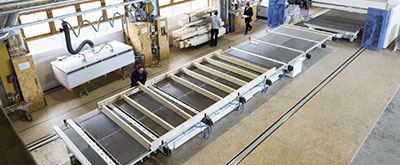
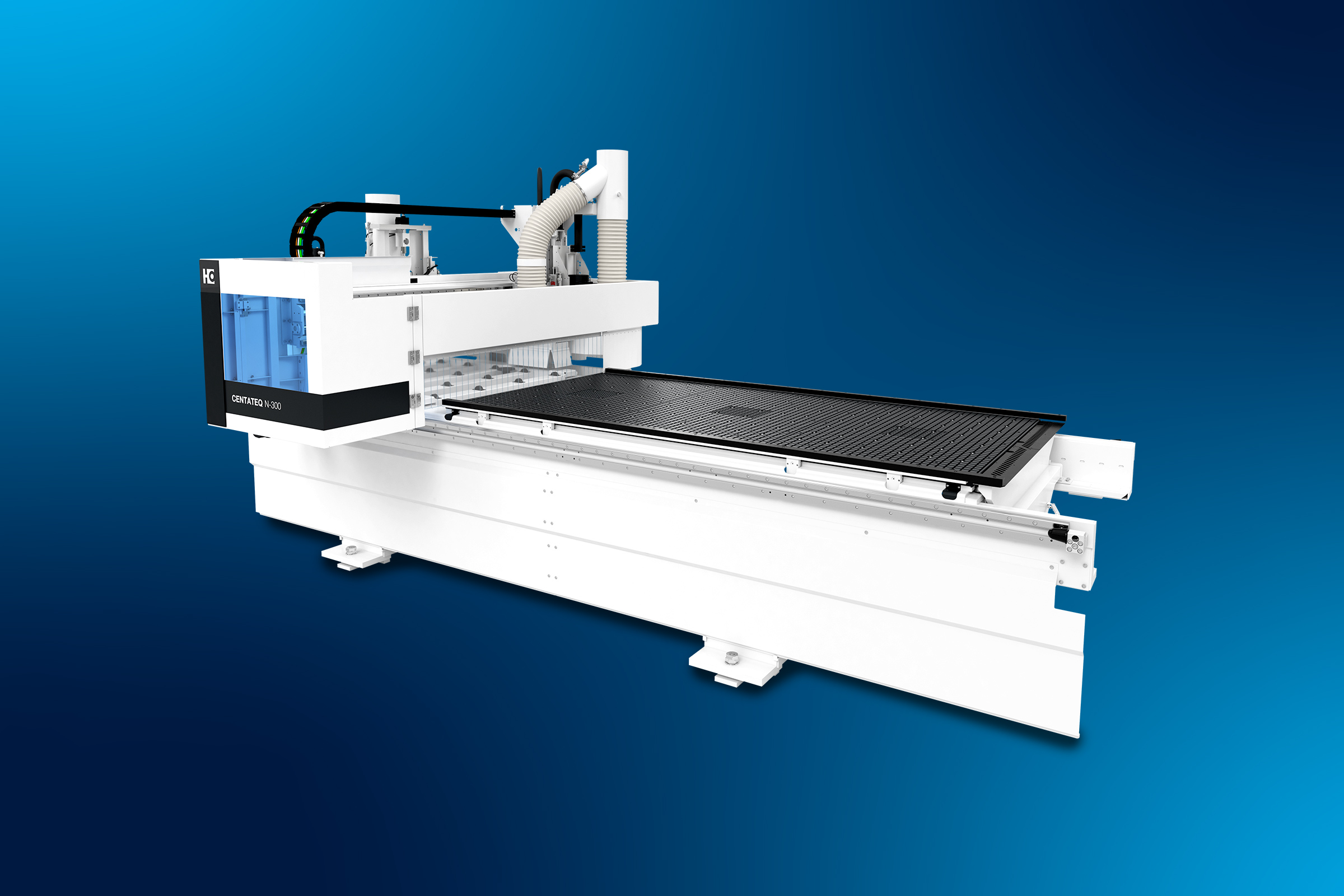
Stiles Machinery is at the forefront of providing technology and machining for producing high quality mass timber. Automated solutions for your mass timber production can increase your manufacturing quality and productivity.

Project management services from Stiles make it easy to streamline your entire project— from concept and consultation to integration and implementation.
For support and service of your machinery, Stiles has experts available 24/7 to help reduce downtime and get you back in action.
Technical Support: 616-698-6615
Service & Repairs: 616-698-7500
24/7 Parts: 1-800-727-8780
sale@inlandmachineokc.com
Parts are available from Stiles 24 hours a day, seven days a week, and are shipped from our Grand Rapids, Michigan fulfillment center.
24/7 Parts: 800-727-8780

With a customized Stiles University course, we can provide expert training for your team, on-location. Whether it's programming, operation or maintenance, we want to help you train your personnel to meet your production goals efficiently and effectively.

Experience the trusted workforce development training and machinery knowledge you rely on from Stiles University, now at your convenience. With technology changing every day and new methods being developed constantly, Stiles University Online has the latest information and training content available at your fingertips.
616-698-7500

Do you want to produce more efficiently? Processes and flows are key. We optimize these together with you, re-organize them and make sure that you reduce your lead time and save costs. This enables you to implement customized manufacturing and achieve your business goals.

Industrialized construction is evolving. Automation, robotics and advanced technology are raising the level of productivity, efficiency and precision for builders in North America.

Stiles Machinery is at the forefront of providing technology and machining for producing high quality mass timber. Automated solutions for your mass timber production can increase your manufacturing quality and productivity.

Project management services from Stiles make it easy to streamline your entire project— from concept and consultation to integration and implementation.
For support and service of your machinery, Stiles has experts available 24/7 to help reduce downtime and get you back in action.
Technical Support: 616-698-6615 Service & Repairs: 616-698-7500 24/7 Parts: 1-800-727-8780
Parts are available from Stiles 24 hours a day, seven days a week, and are shipped from our Grand Rapids, Michigan fulfillment center.
24/7 Parts: 800-727-8780For support and service of your machinery, Stiles has experts available 24/7 to help reduce downtime and get you back in action.
Technical Support: 616-698-6615 Service & Repairs: 616-698-7500 24/7 Parts: 1-800-727-8780
Parts are available from Stiles 24 hours a day, seven days a week, and are shipped from our Grand Rapids, Michigan fulfillment center.
24/7 Parts: 800-727-8780Choosing Apao Hot Melt Adhesive Raw Material is not just a price comparison. The right grade must suit the product, production line, and end-use conditions. A label adhesive, for example, may need quick tack on a cool carton, while a packaging seal may need stronger heat resistance. Small differences matter.
For transparency, the expert name and quotation below are illustrative, not a verified interview or published statement. Dr. Adrian Cole, a fictional adhesive-formulation specialist, puts the selection principle this way: “A raw material is only suitable when it performs consistently in the actual formulation and application.” Treat that as a practical reminder, not independent expert testimony.
This guide will outline how to assess softening point, melt viscosity, compatibility with tackifiers and waxes, and thermal stability. Ask suppliers for current technical data, batch documentation, and representative samples. Then test the material at your real application temperature and line speed. Watch how it wets the substrate, holds after cooling, and behaves during extended heating. Record results; memory is unreliable. A sample can look promising in a beaker and still disappoint on a fast production line. That is easy to miss.
No single specification settles the choice. Compare performance, consistency, and support together, and question claims that lack test conditions. The goal is a dependable match—not a perfect number on a datasheet.
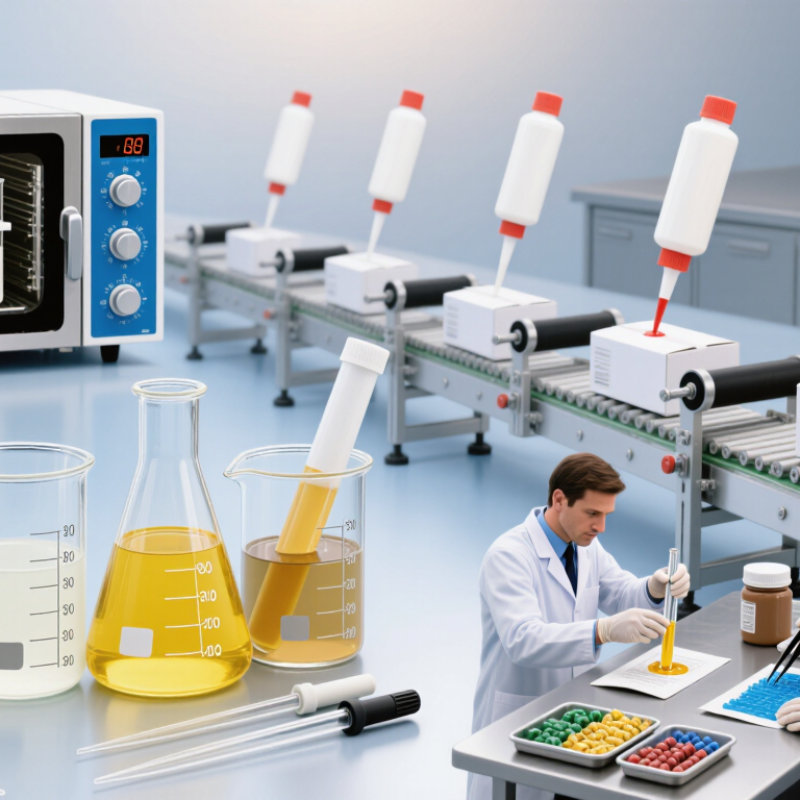
Before choosing a hot melt adhesive raw material, identify every surface it must join. Paper, corrugated board, plastic film, coated metal, and wood each behave differently. Porous paper can absorb adhesive, while smooth or low-energy plastics may resist wetting. Check for printing inks, release coatings, dust, oil, and moisture; a clean-looking surface can still carry residue. Note whether the substrate is rigid, flexible, or likely to expand during use. Small details matter.
Next, define what the bond must withstand: peeling, impact, vibration, heat, cold, or repeated flexing. Record application temperature, line speed, open time, and how soon the joined parts must be handled. A fast-setting grade may suit a moving carton line, but leave too little time for accurate placement. For packaging, consider contact pressure and the contents’ weight; for assemblies, check stress at corners and edges. Test the actual substrate combination, not just a sample card. A quick test helps. Use representative surface finishes, follow the material’s technical data, and allow bonds to condition before judging them. Results can shift with batches or surface treatments, so document trials and repeat them when conditions change.
Start with the actual job the adhesive must perform. A carton moving through a fast packing line needs a different open time from a label applied by hand. Check the substrate, line speed, pressure, and expected bond strength before comparing raw materials. Small details matter. Dust, surface coatings, or dampness can weaken a bond even when the adhesive seems suitable.
Separate the application temperature from the temperature the finished bond will face. The first affects melting, flow, and setting on the production line. The second affects performance during storage or use. Check the supplier’s recommended processing range, then confirm it against your equipment and substrate. If the melt is too cool, it may not wet the surface evenly. Too hot, and it may discolor or lose performance after prolonged heating. Do not treat a wider temperature range as automatically better.
Test under realistic conditions. Apply the adhesive to the actual materials, at the intended line speed, and let samples cool fully before checking bond strength. Include the coldest and warmest conditions expected in service. Record melt temperature and results; otherwise, comparisons become guesswork. A neat test sheet can still miss changes in humidity or material batches. That part is easy to overlook.
APAO grades vary in viscosity, softening point, molecular weight, and crystallization behavior. Lower-viscosity grades can wet porous substrates quickly and suit fast application lines. Higher-viscosity grades may improve cohesion, but can need more heat and careful pumping. Check the technical data sheet for test conditions; values from different methods are not directly comparable.
Small differences matter. Softening point can help estimate heat resistance, but it does not predict bond strength by itself. Compare peel and shear results on the actual materials, such as corrugated board, nonwoven fabric, or plastic film. Also check open time, set time, and color stability at the intended operating temperature. A grade with a longer open time may help when parts are positioned slowly, while a short set time can support rapid handling.
Compatibility matters too. APAO is often blended with tackifiers, waxes, or other polymers, and the formulation can change tack, flexibility, and aging performance. Start with small, controlled trials and record melt temperature, application weight, and bond results. A datasheet is a useful filter, not a guarantee. I would not choose by softening point alone; that shortcut is tempting, and sometimes wrong. Test before scaling.
Compatibility is more than whether an adhesive bonds during a quick trial. Check the raw material against the actual substrate, such as coated paper, plastic film, or corrugated board. Surface treatments and residual dust can change wetting. A small peel test helps, but test aged samples too. A neat lab result can still mislead.
Processing conditions matter just as much. Confirm the recommended temperature range, viscosity, open time, and setting behavior for your equipment and line speed. Too much heat may darken the adhesive or create odor; too little can leave weak bonds. Record melt temperature and application weight during trials. Then inspect bonds after cooling and handling. Real production is less tidy.
Safety requirements belong in the selection process, not on a checklist added later. Read the technical data and safety data sheets, and confirm ventilation, storage, and handling guidance. Hot adhesive can cause serious burns, so use suitable protective gloves and eye protection near heated equipment. Check that the material fits your workplace procedures. If a data sheet leaves a key point unclear, ask the supplier before scaling up.
Choosing an APAO hot melt adhesive raw material should involve more than reviewing a data sheet. Validate it under the temperatures, line speeds, and substrates used in production. Measure viscosity at the actual application temperature, then check whether it remains stable during a realistic heating period. Record open time and set time, too. A few seconds can affect whether an adhesive wets a surface before cooling.
Test bonds on the materials you intend to join, not just clean laboratory samples. Use consistent coating weight and pressure, then measure peel or shear strength after the bond has cooled. Include samples aged in warm, humid conditions if the product will face them. Small differences matter. Repeat tests with more than one material batch; a single strong result can be misleading. Keep notes on surface preparation and test timing, since these details are easy to overlook. A candidate that performs well in one trial may still need adjustment. That is worth acknowledging before a production change.