
-
-
-
-
-
-
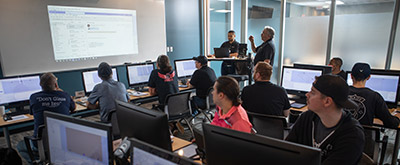
With a customized Stiles University course, we can provide expert training for your team, on-location. Whether it's programming, operation or maintenance, we want to help you train your personnel to meet your production goals efficiently and effectively.
-

Experience the trusted workforce development training and machinery knowledge you rely on from Stiles University, now at your convenience. With technology changing every day and new methods being developed constantly, Stiles University Online has the latest information and training content available at your fingertips.
-
-
-
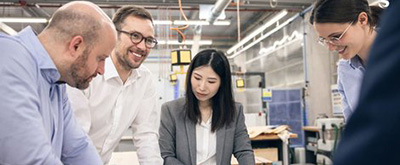
Do you want to produce more efficiently? Processes and flows are key. We optimize these together with you, re-organize them and make sure that you reduce your lead time and save costs. This enables you to implement customized manufacturing and achieve your business goals.
-
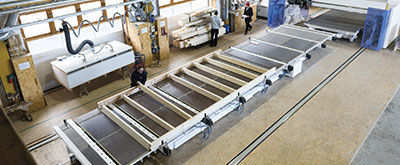
Industrialized construction is evolving. Automation, robotics and advanced technology are raising the level of productivity, efficiency and precision for builders in North America.
-
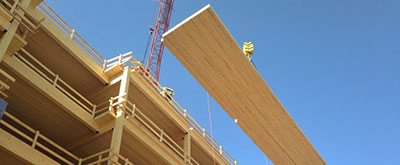
Stiles Machinery is at the forefront of providing technology and machining for producing high quality mass timber. Automated solutions for your mass timber production can increase your manufacturing quality and productivity.
-

Project management services from Stiles make it easy to streamline your entire project— from concept and consultation to integration and implementation.
-

-
-
-
-
-
-
With a customized Stiles University course, we can provide expert training for your team, on-location. Whether it's programming, operation or maintenance, we want to help you train your personnel to meet your production goals efficiently and effectively.
-
Experience the trusted workforce development training and machinery knowledge you rely on from Stiles University, now at your convenience. With technology changing every day and new methods being developed constantly, Stiles University Online has the latest information and training content available at your fingertips.
-
-
-
Do you want to produce more efficiently? Processes and flows are key. We optimize these together with you, re-organize them and make sure that you reduce your lead time and save costs. This enables you to implement customized manufacturing and achieve your business goals.
-
Industrialized construction is evolving. Automation, robotics and advanced technology are raising the level of productivity, efficiency and precision for builders in North America.
-
Stiles Machinery is at the forefront of providing technology and machining for producing high quality mass timber. Automated solutions for your mass timber production can increase your manufacturing quality and productivity.
-
Project management services from Stiles make it easy to streamline your entire project— from concept and consultation to integration and implementation.
-
Why Choose a Small CNC Machine for Your Business Needs?
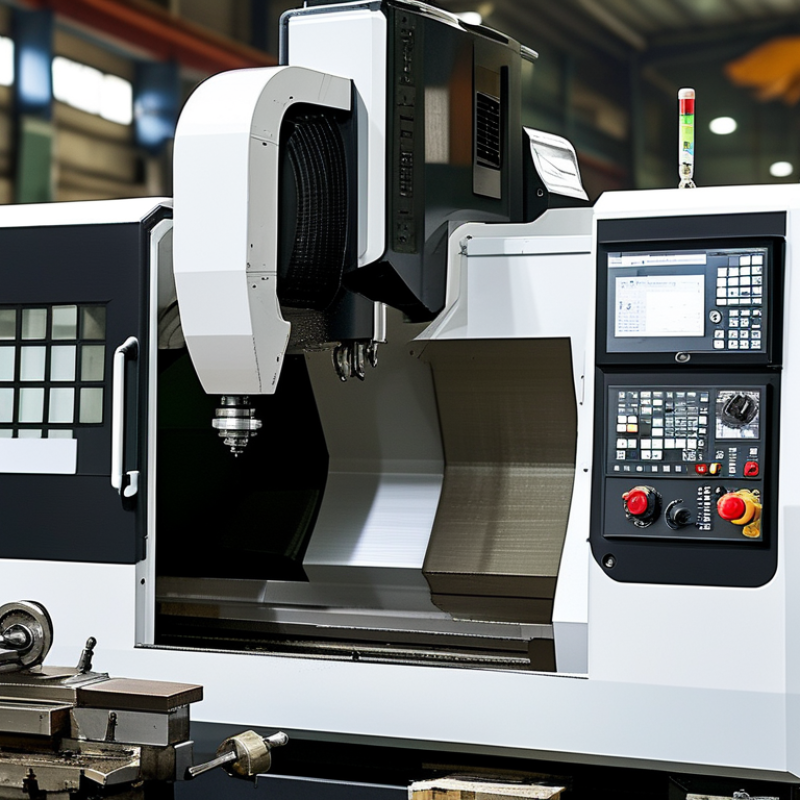
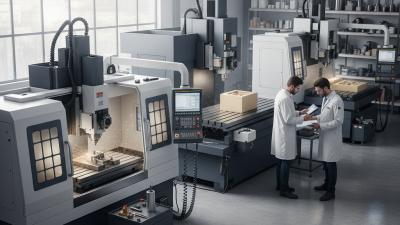
In today's competitive manufacturing landscape, choosing the right equipment is crucial for success. A small CNC machine can provide significant advantages for your business needs. These machines are compact yet powerful, making them suitable for various applications.
Small CNC machines offer flexibility and precision. They allow for intricate designs that larger machines may struggle to handle. Many businesses find that these machines fit into limited spaces, optimizing workflow. However, not every small CNC machine is the same. Knowing what to look for is essential.
Investing in a small CNC machine requires careful consideration. Factors like software compatibility and initial costs should not be overlooked. It's important to weigh the benefits against potential limitations. With the right approach, a small CNC machine can elevate your production capabilities while ensuring reliability and efficiency.
Benefits of Small CNC Machines for Small Businesses
Small CNC machines offer numerous advantages to small businesses. One significant benefit is their cost-effectiveness. With a smaller initial investment, companies can incorporate CNC technology without breaking the bank. According to a report by IBISWorld, the market for CNC machining is expected to grow by 4.8% annually, showcasing its rising importance. Small CNC machines are perfect for startups and entrepreneurs, allowing them to produce high-quality parts with precision.
Another key advantage lies in their space efficiency. Unlike larger machines, small CNC units require less workshop space. This can be crucial for small businesses operating in tight environments. A study from the Association for Manufacturing Technology highlights that small machines can improve workflow efficiency by up to 30%. Compact setups allow for better organization and easier access to tools. However, the limited size may restrict some larger projects, making it essential for businesses to reflect on their specific needs.
Customization is another area where small CNC machines shine. Businesses can easily adapt their designs and products to meet unique customer requirements. This flexibility can lead to increased customer satisfaction, but it may also demand constant updates and learning. Thus, while small CNC machines present significant opportunities, they also require an ongoing commitment to adaptation and improvement.
Related Posts
-
Top 10 Small CNC Machines for Precision Engineering in 2023
-
Top 5 CNC Router Kits for Ultimate Precision and DIY Projects in 2023
-
Top 5 CNC Router Kits for Precision Crafting and DIY Projects
-
How to Choose the Best CNC Router Machine for Your Projects
-
2026 How to Choose the Right CNC Mill for Your Workshop Needs?
-
The Best CNC Mill Types for Your Machining Needs?