
-
-
-
-
-
-
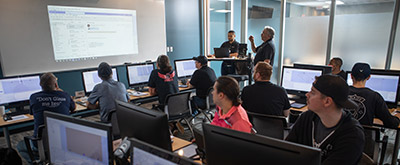
With a customized Stiles University course, we can provide expert training for your team, on-location. Whether it's programming, operation or maintenance, we want to help you train your personnel to meet your production goals efficiently and effectively.
-

Experience the trusted workforce development training and machinery knowledge you rely on from Stiles University, now at your convenience. With technology changing every day and new methods being developed constantly, Stiles University Online has the latest information and training content available at your fingertips.
-
-
-
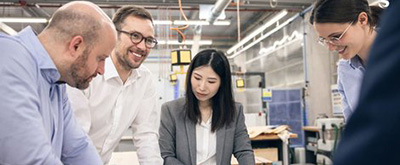
Do you want to produce more efficiently? Processes and flows are key. We optimize these together with you, re-organize them and make sure that you reduce your lead time and save costs. This enables you to implement customized manufacturing and achieve your business goals.
-
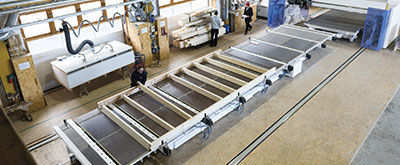
Industrialized construction is evolving. Automation, robotics and advanced technology are raising the level of productivity, efficiency and precision for builders in North America.
-
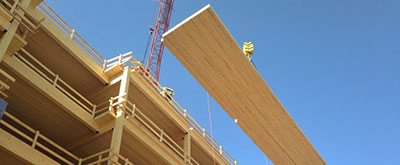
Stiles Machinery is at the forefront of providing technology and machining for producing high quality mass timber. Automated solutions for your mass timber production can increase your manufacturing quality and productivity.
-

Project management services from Stiles make it easy to streamline your entire project— from concept and consultation to integration and implementation.
-

-
-
-
-
-
-
With a customized Stiles University course, we can provide expert training for your team, on-location. Whether it's programming, operation or maintenance, we want to help you train your personnel to meet your production goals efficiently and effectively.
-
Experience the trusted workforce development training and machinery knowledge you rely on from Stiles University, now at your convenience. With technology changing every day and new methods being developed constantly, Stiles University Online has the latest information and training content available at your fingertips.
-
-
-
Do you want to produce more efficiently? Processes and flows are key. We optimize these together with you, re-organize them and make sure that you reduce your lead time and save costs. This enables you to implement customized manufacturing and achieve your business goals.
-
Industrialized construction is evolving. Automation, robotics and advanced technology are raising the level of productivity, efficiency and precision for builders in North America.
-
Stiles Machinery is at the forefront of providing technology and machining for producing high quality mass timber. Automated solutions for your mass timber production can increase your manufacturing quality and productivity.
-
Project management services from Stiles make it easy to streamline your entire project— from concept and consultation to integration and implementation.
-
Why Choose HDD Machines for Your Next Project?
When planning construction or utility projects, the choice of equipment can significantly impact outcomes. Hdd Machines have gained popularity for this reason. John Smith, an expert in trenchless technology, emphasizes their value, stating, "HDD machines streamline operations and minimize environmental disruption." This makes them ideal for urban settings where space is limited.
HDD machines offer precision and efficiency, essential for today's demanding projects. Utilizing them can reduce time spent on-site and limit the impact on surrounding areas. However, the decision to use these machines isn't always straightforward. Project managers must consider soil conditions and existing infrastructure. Sometimes, HDD isn't the best choice due to these variables.
Choosing HDD machines is about balancing innovation and practicality. While they have many advantages, some projects may require alternative methods. Reflecting on past experiences is crucial. It ensures the right choice is made, leading to successful project completion while adhering to environmental standards.
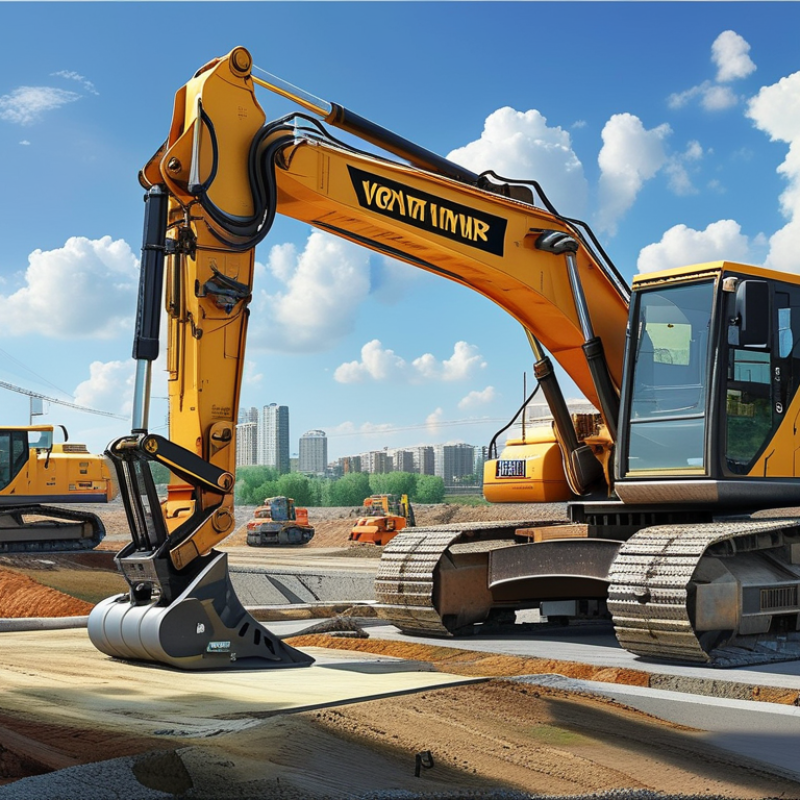
Advantages of HDD Machines Over Traditional Methods
When considering excavation and installation projects, horizontal directional drilling (HDD) machines offer distinct advantages over traditional methods. HDD minimizes surface disruption, allowing for projects to proceed with less environmental impact. This technique works well in urban or sensitive areas where maintaining existing landscapes is essential. Small drill heads create precise tunnels, reducing the need for extensive trenching.
HDD not only decreases disruption but also saves time. Traditional methods can be slow and labor-intensive. HDD machines operate efficiently, often completing projects in less time. This efficiency translates to decreased labor costs and faster project turnover. However, there are challenges. Not all soil conditions are suitable for HDD, and improper planning may lead to unexpected difficulties.
While HDD technology offers numerous benefits, success relies on refined execution and expert knowledge. Each project needs careful assessment to determine feasibility. Potential obstacles, such as rocky terrain or underground utilities, must be identified early. Without thorough planning, HDD could face setbacks that hinder project timelines. Employing skilled technicians is crucial for navigating these variables effectively, ensuring a smoother drilling process.