
-
-
-
-
-
-

With a customized Stiles University course, we can provide expert training for your team, on-location. Whether it's programming, operation or maintenance, we want to help you train your personnel to meet your production goals efficiently and effectively.
-

Experience the trusted workforce development training and machinery knowledge you rely on from Stiles University, now at your convenience. With technology changing every day and new methods being developed constantly, Stiles University Online has the latest information and training content available at your fingertips.
-
-
-

Do you want to produce more efficiently? Processes and flows are key. We optimize these together with you, re-organize them and make sure that you reduce your lead time and save costs. This enables you to implement customized manufacturing and achieve your business goals.
-

Industrialized construction is evolving. Automation, robotics and advanced technology are raising the level of productivity, efficiency and precision for builders in North America.
-

Stiles Machinery is at the forefront of providing technology and machining for producing high quality mass timber. Automated solutions for your mass timber production can increase your manufacturing quality and productivity.
-

Project management services from Stiles make it easy to streamline your entire project— from concept and consultation to integration and implementation.
-



-
-
-
-
-
-
With a customized Stiles University course, we can provide expert training for your team, on-location. Whether it's programming, operation or maintenance, we want to help you train your personnel to meet your production goals efficiently and effectively.
-
Experience the trusted workforce development training and machinery knowledge you rely on from Stiles University, now at your convenience. With technology changing every day and new methods being developed constantly, Stiles University Online has the latest information and training content available at your fingertips.
-
-
-
Do you want to produce more efficiently? Processes and flows are key. We optimize these together with you, re-organize them and make sure that you reduce your lead time and save costs. This enables you to implement customized manufacturing and achieve your business goals.
-
Industrialized construction is evolving. Automation, robotics and advanced technology are raising the level of productivity, efficiency and precision for builders in North America.
-
Stiles Machinery is at the forefront of providing technology and machining for producing high quality mass timber. Automated solutions for your mass timber production can increase your manufacturing quality and productivity.
-
Project management services from Stiles make it easy to streamline your entire project— from concept and consultation to integration and implementation.
-
Why Choose Electric Utility Vehicles for Your Business Needs?
The rise of Electric Utility Vehicles (EUVs) is transforming business operations across various industries. According to a report by the International Energy Agency, global electric vehicle sales surged by 40% in 2020 alone. This trend reflects a growing recognition of the benefits EUVs offer, such as reduced operating costs and lower emissions. Companies like Amazon and UPS are investing heavily in electric fleets, showcasing a clear commitment to sustainable business practices.
In addition, a study from the Rocky Mountain Institute reveals that electric trucks can save fleet operators up to 30% in fuel costs over their lifetime. The growing network of charging infrastructure is making it easier for businesses to adopt EUVs. However, some firms still hesitate, primarily due to initial investment concerns.
Despite the challenges, the long-term cost savings and environmental benefits are hard to ignore. EUVs align with regulatory trends aimed at reducing carbon footprints. Many consumers prefer brands that prioritize sustainability, making electric utility vehicles an essential consideration for modern businesses. By investing in EUVs, companies can enhance their reputation while contributing to a cleaner future.
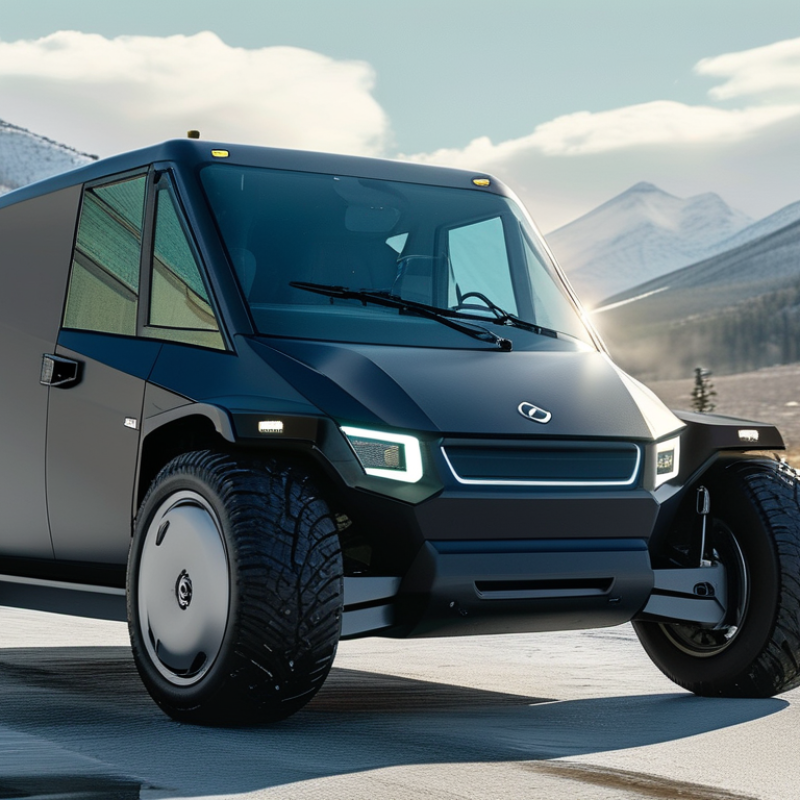
Benefits of Electric Utility Vehicles for Businesses
Electric utility vehicles (EUVs) provide numerous advantages for businesses, particularly in urban environments. These vehicles operate quietly and efficiently, reducing noise pollution. Businesses can use them for last-mile deliveries or site maintenance without disturbing nearby neighborhoods. Utilizing electric vehicles helps improve a company's image as environmentally conscious.
EUVs are cost-effective in the long run. While the initial purchase may be higher, savings on fuel and maintenance can significantly lower operational costs. Charging stations can be installed on-site, enhancing convenience. The battery technology in electric vehicles is advancing rapidly, which means range anxiety is becoming less of an issue. However, companies should be aware of infrastructure limitations in certain areas.
Despite the benefits, challenges remain. The initial investment can be daunting for small businesses. Moreover, some electric vehicles may not suit every operational requirement. Businesses need to assess their specific needs and location. Careful planning and evaluation can help identify the right UE vehicle options. Transitioning to electric can be more feasible than many think.
Why Choose Electric Utility Vehicles for Your Business Needs? - Benefits of Electric Utility Vehicles for Businesses
| Benefit | Description | Environmental Impact | Cost Savings |
|---|---|---|---|
| Reduced Emissions | Electric utility vehicles produce zero tailpipe emissions, helping to improve air quality. | Significantly lowers the carbon footprint of your fleet. | Lowers costs associated with fuel purchases. |
| Lower Operating Costs | Electric vehicles have fewer moving parts and lower maintenance requirements. | Minimal wear on brakes due to regenerative braking systems. | Significant savings on maintenance and repair bills. |
| Government Incentives | Many governments offer tax credits and rebates for purchasing electric vehicles. | Encourages the transition to a greener fleet. | Financial incentives can offset initial purchase costs. |
| Enhanced Brand Image | Utilizing electric vehicles can enhance your company’s reputation. | Demonstrates a commitment to sustainability and innovation. | Attracts environmentally conscious customers. |
| Quiet Operation | Electric vehicles are quieter than their combustion engine counterparts. | Reduced noise pollution in urban areas. | Potential added value in terms of compliance with local noise regulations. |