
-
-
-
-
-
-

With a customized Stiles University course, we can provide expert training for your team, on-location. Whether it's programming, operation or maintenance, we want to help you train your personnel to meet your production goals efficiently and effectively.
-

Experience the trusted workforce development training and machinery knowledge you rely on from Stiles University, now at your convenience. With technology changing every day and new methods being developed constantly, Stiles University Online has the latest information and training content available at your fingertips.
-
-
-

Do you want to produce more efficiently? Processes and flows are key. We optimize these together with you, re-organize them and make sure that you reduce your lead time and save costs. This enables you to implement customized manufacturing and achieve your business goals.
-

Industrialized construction is evolving. Automation, robotics and advanced technology are raising the level of productivity, efficiency and precision for builders in North America.
-

Stiles Machinery is at the forefront of providing technology and machining for producing high quality mass timber. Automated solutions for your mass timber production can increase your manufacturing quality and productivity.
-

Project management services from Stiles make it easy to streamline your entire project— from concept and consultation to integration and implementation.
-



-
-
-
-
-
-
With a customized Stiles University course, we can provide expert training for your team, on-location. Whether it's programming, operation or maintenance, we want to help you train your personnel to meet your production goals efficiently and effectively.
-
Experience the trusted workforce development training and machinery knowledge you rely on from Stiles University, now at your convenience. With technology changing every day and new methods being developed constantly, Stiles University Online has the latest information and training content available at your fingertips.
-
-
-
Do you want to produce more efficiently? Processes and flows are key. We optimize these together with you, re-organize them and make sure that you reduce your lead time and save costs. This enables you to implement customized manufacturing and achieve your business goals.
-
Industrialized construction is evolving. Automation, robotics and advanced technology are raising the level of productivity, efficiency and precision for builders in North America.
-
Stiles Machinery is at the forefront of providing technology and machining for producing high quality mass timber. Automated solutions for your mass timber production can increase your manufacturing quality and productivity.
-
Project management services from Stiles make it easy to streamline your entire project— from concept and consultation to integration and implementation.
-
Why Choose an Edge Banding Machine for Your Woodworking Projects?
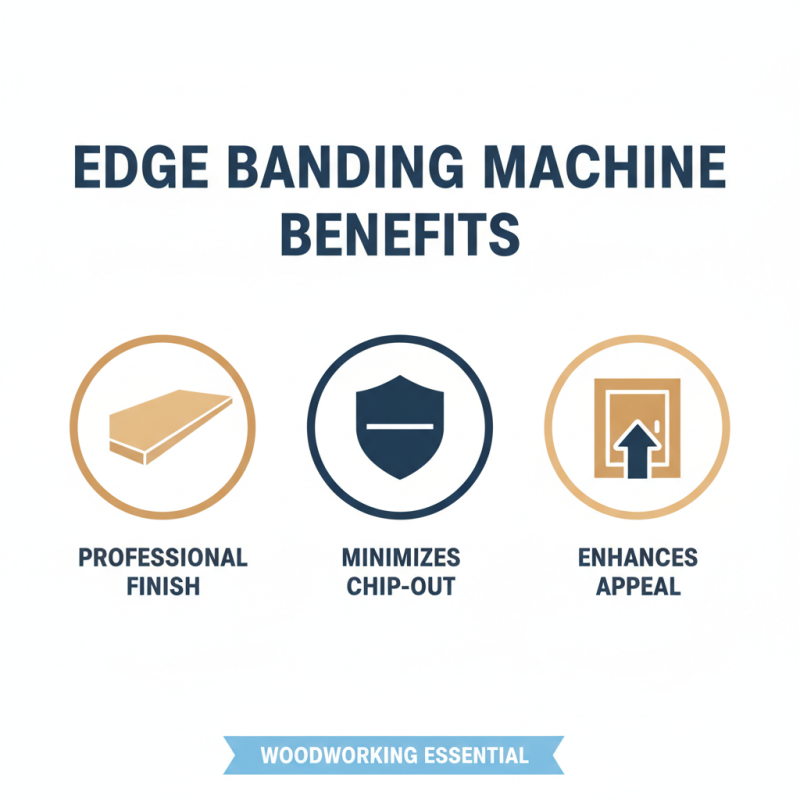
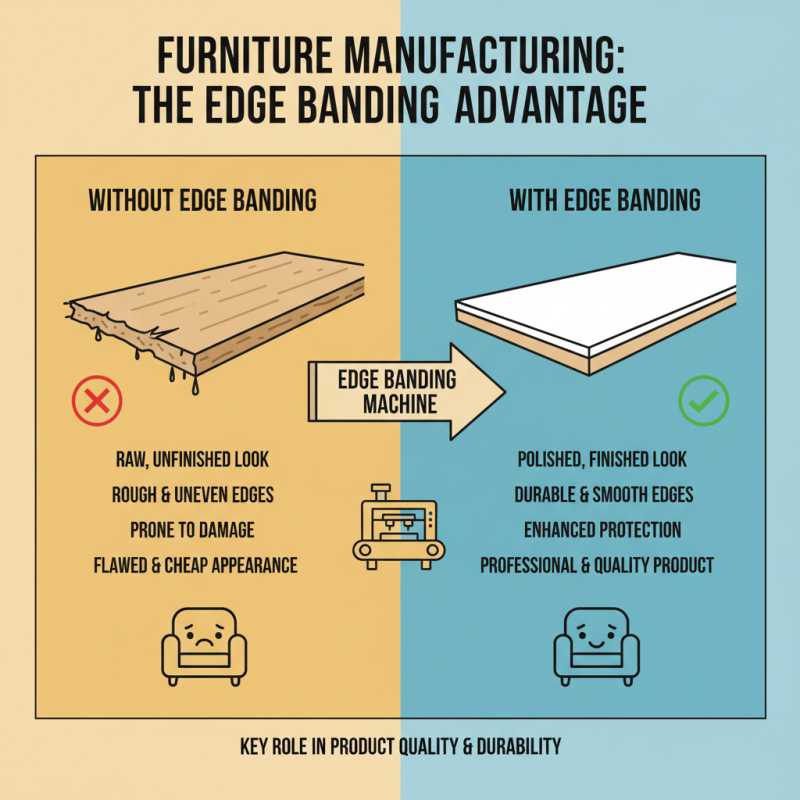
When it comes to woodworking projects, precision and efficiency are crucial. An edge banding machine stands out as an essential tool. This machine offers a clean and professional finish, transforming raw edges into smooth surfaces. Many woodworkers face challenges achieving such high-quality results by hand. Unfortunately, manual methods can lead to uneven edges and wasted materials. But the edge banding machine addresses these issues effectively.
Investing in an edge banding machine can greatly enhance your woodworking process. It saves time, allowing you to focus on creativity and design. With its ability to apply a variety of edge materials, this machine offers versatility. Perfect edges can elevate your projects, making them more appealing. However, the initial cost of an edge banding machine may deter some woodworkers. Yet, the long-term benefits often outweigh the upfront investment.
Reflecting on your approach to woodworking can lead to better decisions. Are you achieving the quality you desire? The edge banding machine could be the solution you need. Exploring its features and capabilities may inspire you to elevate your craft. In the world of woodworking, every detail counts, and an edge banding machine can make a significant difference.
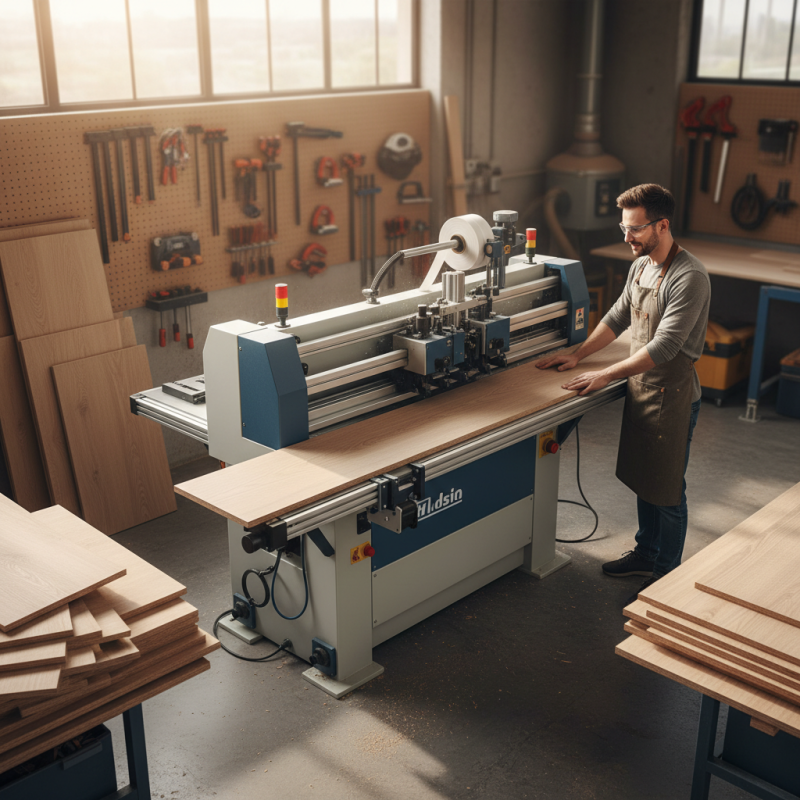
Understanding Edge Banding and Its Importance in Woodworking
Edge banding plays a crucial role in woodworking. It involves applying a thin material to the exposed edges of wood panels. This not only enhances the aesthetic appeal but also protects the wood from moisture and damage. According to a report by the Woodworking Machinery Manufacturers of America, about 75% of woodworkers prioritize edge banding when it comes to furniture finishing.
The importance of edge banding cannot be overstated. It creates a seamless look, hiding unsightly wood grain and imperfections. Woodworkers often seek to elevate their projects. High-quality edge banding can elevate even basic designs. However, achieving this requires precision. Manufacturers find that machine-made edges are more consistent than manual methods. In fact, surveys show that edged panels produced with machines have lower defect rates, nearly 30% less than those done by hand.
Yet, many woodworkers may overlook the learning curve. Operating edge banding machines efficiently requires practice. Some may initially struggle with alignment. Mistakes happen, and frustrating results can occur. Recognizing the importance of training can prevent future issues. Investing time in mastering the equipment can make a significant difference in the quality of finished products.
Why Choose an Edge Banding Machine for Your Woodworking Projects?
| Feature | Importance | Benefit |
|---|---|---|
| Precision Cutting | Ensures accurate edge alignment | Enhanced final product quality |
| Durability | Long-lasting performance | Reduces replacement costs |
| Versatility | Can handle various materials | Flexibility in project types |
| Speed | Faster edge banding process | Increased productivity |
| User-Friendly Interface | Easy operation for all skill levels | Less training time required |
Related Posts
-
Revolutionizing Furniture Manufacturing: How Edge Banding Machines Enhance Production Efficiency
-
Unlocking the Potential of Wood CNC Machines for Your Next Creative Project
-
Top 10 Wood Carving Machines for Professional and Hobby Use
-
Top 10 CNC Router Machine Features You Should Know Before Buying
-
How to Choose the Best Wood Carving Machine for Your Projects?
-
Exploring the Future of Manufacturing: How CNC Machines are Revolutionizing Production Techniques