
-
-
-
-
-
-

With a customized Stiles University course, we can provide expert training for your team, on-location. Whether it's programming, operation or maintenance, we want to help you train your personnel to meet your production goals efficiently and effectively.
-

Experience the trusted workforce development training and machinery knowledge you rely on from Stiles University, now at your convenience. With technology changing every day and new methods being developed constantly, Stiles University Online has the latest information and training content available at your fingertips.
-
-
-

Do you want to produce more efficiently? Processes and flows are key. We optimize these together with you, re-organize them and make sure that you reduce your lead time and save costs. This enables you to implement customized manufacturing and achieve your business goals.
-

Industrialized construction is evolving. Automation, robotics and advanced technology are raising the level of productivity, efficiency and precision for builders in North America.
-

Stiles Machinery is at the forefront of providing technology and machining for producing high quality mass timber. Automated solutions for your mass timber production can increase your manufacturing quality and productivity.
-

Project management services from Stiles make it easy to streamline your entire project— from concept and consultation to integration and implementation.
-



-
-
-
-
-
-
With a customized Stiles University course, we can provide expert training for your team, on-location. Whether it's programming, operation or maintenance, we want to help you train your personnel to meet your production goals efficiently and effectively.
-
Experience the trusted workforce development training and machinery knowledge you rely on from Stiles University, now at your convenience. With technology changing every day and new methods being developed constantly, Stiles University Online has the latest information and training content available at your fingertips.
-
-
-
Do you want to produce more efficiently? Processes and flows are key. We optimize these together with you, re-organize them and make sure that you reduce your lead time and save costs. This enables you to implement customized manufacturing and achieve your business goals.
-
Industrialized construction is evolving. Automation, robotics and advanced technology are raising the level of productivity, efficiency and precision for builders in North America.
-
Stiles Machinery is at the forefront of providing technology and machining for producing high quality mass timber. Automated solutions for your mass timber production can increase your manufacturing quality and productivity.
-
Project management services from Stiles make it easy to streamline your entire project— from concept and consultation to integration and implementation.
-
How to Choose the Best Wide Belt Sander for Your Woodworking Projects
When embarking on woodworking projects, choosing the right tools can significantly impact the quality of your work. One such essential tool is the wide belt sander, which provides the efficiency and precision necessary for achieving smooth finishes on large surfaces. According to woodworking expert John Smith, "A high-quality wide belt sander is a game changer for any woodworker, allowing for consistent results and time savings."
Selecting the best wide belt sander involves understanding various features, including motor power, size, and ease of use. These factors can influence not only the effectiveness of the sander but also the overall experience of your woodworking endeavors. With the right knowledge and guidance, you can make an informed choice that enhances your capabilities and brings your projects to life.
As you delve into the selection process, consider the specific requirements of your woodworking tasks, as well as your own skill level. The perfect wide belt sander is out there, waiting to elevate your woodworking game and help you achieve professional-quality results.
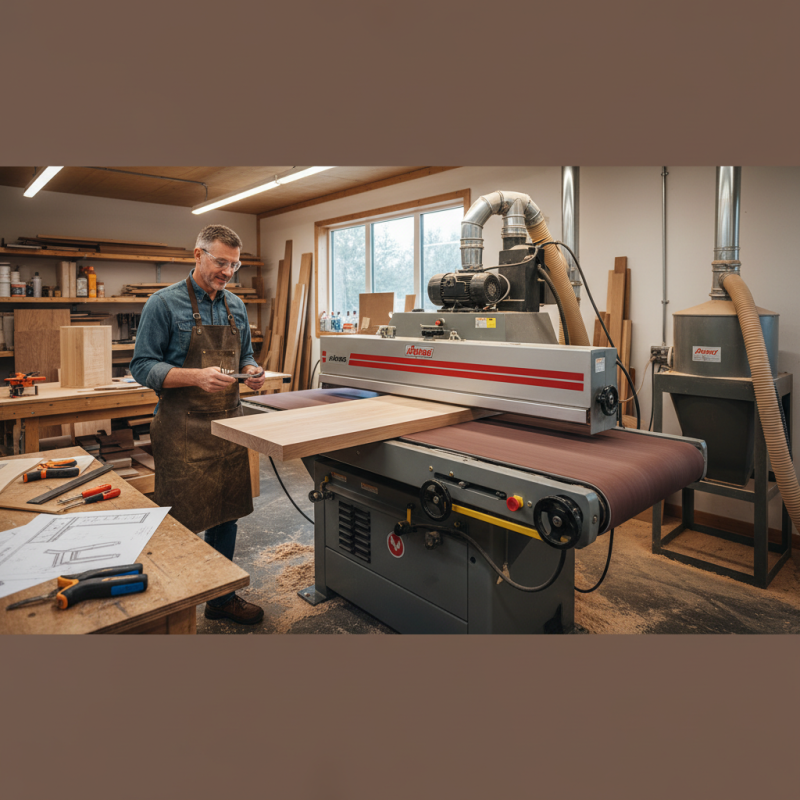
Understanding the Purpose and Benefits of Wide Belt Sanders

Wide belt sanders are essential tools in woodworking, providing significant advantages for both hobbyists and professionals. Their primary purpose is to efficiently smooth and finish large surfaces, making them particularly useful for those working with sheets of plywood, laminates, and thick lumber. By employing a continuously moving abrasive belt, these machines ensure a consistent finish across large areas, which can be incredibly challenging to achieve with hand tools or smaller sanders.
The benefits of using a wide belt sander extend beyond mere efficiency. These sanders can save significant time in the finishing process, allowing woodworkers to complete projects faster and with greater precision. Additionally, they offer adjustable sanding settings, enabling users to accommodate various material types and desired finishes. This versatility is crucial when working on diverse projects, as it allows for both rough sanding and fine finishing, catering to the specific needs of each job. As a result, investing in a quality wide belt sander can enhance the overall craftsmanship and productivity of woodworking endeavors.

Related Posts
-
10 Essential Tips for Maximizing Efficiency with Your CNC Mill
-

2025 Guide: How to Choose the Best CNC Machining Parts for Your Projects
-
Top 10 CNC Router Machine Features You Should Know Before Buying
-
Why Choose a Rotary Screw Air Compressor for Your Industrial Needs?
-
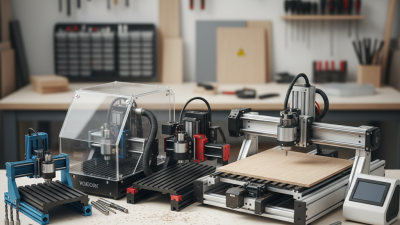
Top 5 CNC Router Kits for Precision Crafting and DIY Projects
-

Unlocking Creativity: How CNC Wood Cutting Machines Transform Custom Furniture Design