
-
-
-
-
-
-

With a customized Stiles University course, we can provide expert training for your team, on-location. Whether it's programming, operation or maintenance, we want to help you train your personnel to meet your production goals efficiently and effectively.
-

Experience the trusted workforce development training and machinery knowledge you rely on from Stiles University, now at your convenience. With technology changing every day and new methods being developed constantly, Stiles University Online has the latest information and training content available at your fingertips.
-
-
-

Do you want to produce more efficiently? Processes and flows are key. We optimize these together with you, re-organize them and make sure that you reduce your lead time and save costs. This enables you to implement customized manufacturing and achieve your business goals.
-
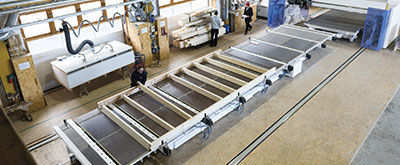
Industrialized construction is evolving. Automation, robotics and advanced technology are raising the level of productivity, efficiency and precision for builders in North America.
-
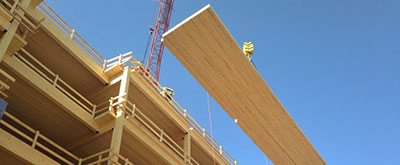
Stiles Machinery is at the forefront of providing technology and machining for producing high quality mass timber. Automated solutions for your mass timber production can increase your manufacturing quality and productivity.
-

Project management services from Stiles make it easy to streamline your entire project— from concept and consultation to integration and implementation.
-


-
-
-
-
-
-
With a customized Stiles University course, we can provide expert training for your team, on-location. Whether it's programming, operation or maintenance, we want to help you train your personnel to meet your production goals efficiently and effectively.
-
Experience the trusted workforce development training and machinery knowledge you rely on from Stiles University, now at your convenience. With technology changing every day and new methods being developed constantly, Stiles University Online has the latest information and training content available at your fingertips.
-
-
-
Do you want to produce more efficiently? Processes and flows are key. We optimize these together with you, re-organize them and make sure that you reduce your lead time and save costs. This enables you to implement customized manufacturing and achieve your business goals.
-
Industrialized construction is evolving. Automation, robotics and advanced technology are raising the level of productivity, efficiency and precision for builders in North America.
-
Stiles Machinery is at the forefront of providing technology and machining for producing high quality mass timber. Automated solutions for your mass timber production can increase your manufacturing quality and productivity.
-
Project management services from Stiles make it easy to streamline your entire project— from concept and consultation to integration and implementation.
-
How to Choose the Best C and C Machine for Your Needs?
Choosing the right C and C machine is crucial for optimizing your operations. These machines play a vital role in various industries, providing precision and efficiency. However, the selection process can seem overwhelming. With so many options available, determining the best fit for your specific needs requires careful consideration.
It's essential to evaluate what you truly require from a C and C machine. Not every machine is designed for every task. Different projects may demand varying levels of accuracy and speed. Understanding your workload will help streamline your selection process. Consider factors like size, power, and technology when comparing machines.
Moreover, it's important to seek expert advice. Manufacturers often provide insights into their products. However, not all information is entirely reliable. Balance advertising with peer reviews to gain a well-rounded perspective. Reflecting on past experiences with machinery can also guide your decision. Selecting the best C and C machine is a blend of personal needs, expert insights, and a bit of trial and error.
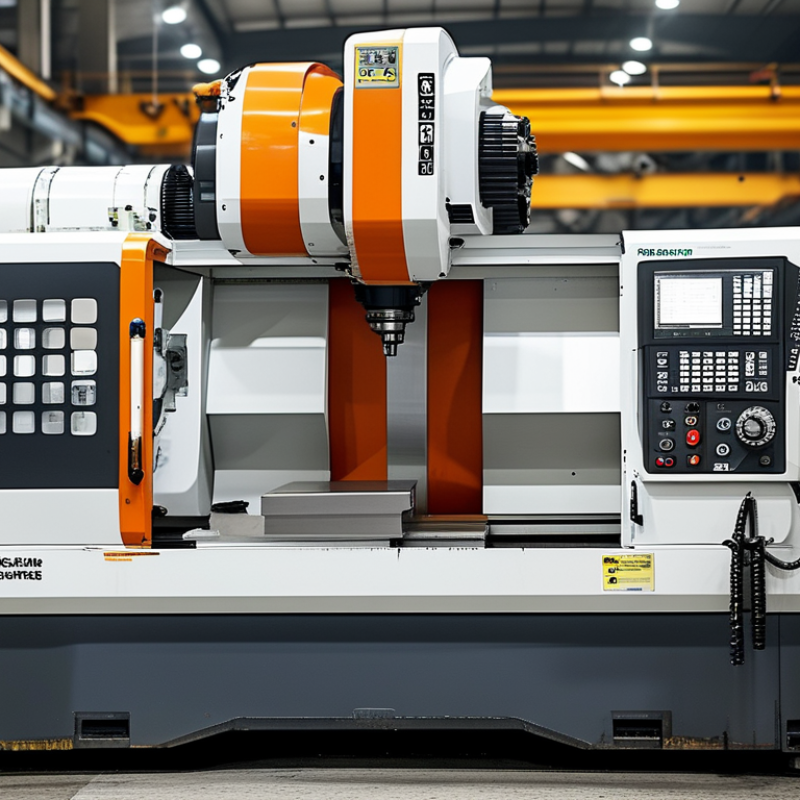
Understanding C and C Machines: A Comprehensive Overview
When choosing the right C and C machine, understanding their core functions is essential. C machines are built for precision tasks, while C machines excel in complex automation. Know what you need before diving into the purchasing process. A clear focus on your requirements will guide your decision.
Tips: Consider your workspace. Ensure the machine fits comfortably. The last thing you want is a cramped environment that stifles efficiency. Test machines before buying. A hands-on approach reveals strengths and weaknesses. Trust your instincts; if it feels off, it might be better to explore other options.
As you compare different machines, evaluate their performance metrics. Pay attention to speed and accuracy. These factors determine productivity and quality. However, consider the following: higher numbers don’t always mean better outcomes. Depending on the specific task, a slower but more precise machine might suit your needs better. Always think critically about your options.
Related Posts
-
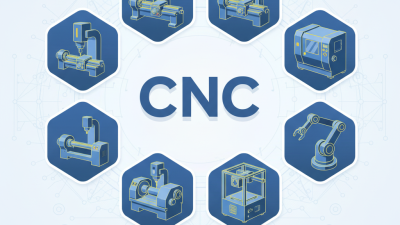
Top 10 C and C Machine Types You Should Know about?
-
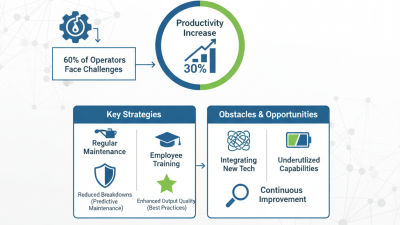
How to Optimize C and C Machine Operations for Maximum Efficiency?
-
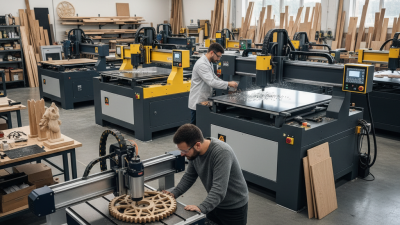
2026 Top CNC Router Models for Professional Use and Hobbyists?
-
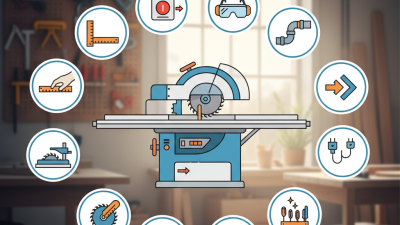
Top 10 Tips for Using a Sliding Table Saw Efficiently and Safely
-
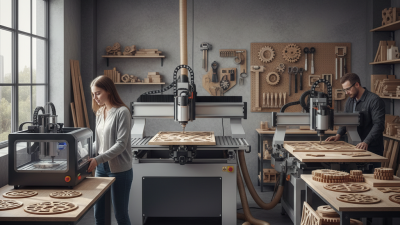
Best CNC Router Machine for Beginners and Professionals in 2023
-
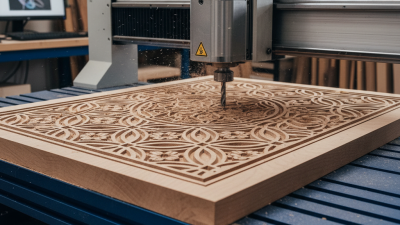
How to Use a CNC Wood Router for Perfectly Crafted Projects?