
For support and service of your machinery, Stiles has experts available 24/7 to help reduce downtime and get you back in action.
Technical Support: 616-698-6615
Service & Repairs: 616-698-7500
24/7 Parts: 1-800-727-8780
sale@inlandmachineokc.com
Parts are available from Stiles 24 hours a day, seven days a week, and are shipped from our Grand Rapids, Michigan fulfillment center.
24/7 Parts: 800-727-8780

With a customized Stiles University course, we can provide expert training for your team, on-location. Whether it's programming, operation or maintenance, we want to help you train your personnel to meet your production goals efficiently and effectively.

Experience the trusted workforce development training and machinery knowledge you rely on from Stiles University, now at your convenience. With technology changing every day and new methods being developed constantly, Stiles University Online has the latest information and training content available at your fingertips.
616-698-7500

Do you want to produce more efficiently? Processes and flows are key. We optimize these together with you, re-organize them and make sure that you reduce your lead time and save costs. This enables you to implement customized manufacturing and achieve your business goals.

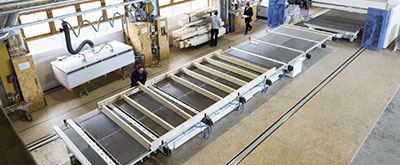
Industrialized construction is evolving. Automation, robotics and advanced technology are raising the level of productivity, efficiency and precision for builders in North America.

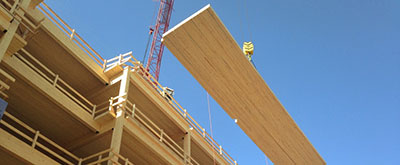
Stiles Machinery is at the forefront of providing technology and machining for producing high quality mass timber. Automated solutions for your mass timber production can increase your manufacturing quality and productivity.

Project management services from Stiles make it easy to streamline your entire project— from concept and consultation to integration and implementation.
For support and service of your machinery, Stiles has experts available 24/7 to help reduce downtime and get you back in action.
Technical Support: 616-698-6615 Service & Repairs: 616-698-7500 24/7 Parts: 1-800-727-8780
Parts are available from Stiles 24 hours a day, seven days a week, and are shipped from our Grand Rapids, Michigan fulfillment center.
24/7 Parts: 800-727-8780For support and service of your machinery, Stiles has experts available 24/7 to help reduce downtime and get you back in action.
Technical Support: 616-698-6615 Service & Repairs: 616-698-7500 24/7 Parts: 1-800-727-8780
Parts are available from Stiles 24 hours a day, seven days a week, and are shipped from our Grand Rapids, Michigan fulfillment center.
24/7 Parts: 800-727-8780Choosing a finish can shape how a project looks and performs long after the last coat dries. Acrylic Topcoat is often considered for its color retention, flexible finish, and practical application, though results depend on the specific formulation and surface. On an exterior wall, for example, strong afternoon sun and wind-driven rain can expose weaknesses that a small indoor sample will not reveal. The product label matters. So does the substrate.
Acrylic topcoats are used across different coating systems, but they are not interchangeable. Check the manufacturer’s technical data for approved primers, coverage, drying times, and application conditions. A clean, sound surface is essential; dust left in a corner or a poorly prepared repair may affect adhesion. Small details count. Temperature and humidity can also change how a coating levels and cures, so follow the stated limits rather than relying on a convenient schedule.
There is no universal best topcoat. Not always. A project near the coast, a frequently handled railing, and a sheltered interior feature may need different performance priorities. Compare the expected exposure, appearance, maintenance needs, and compatibility with existing layers before choosing. A test patch can reveal differences in sheen or color, although it cannot predict every long-term condition. That limitation is easy to overlook. With careful preparation and product-specific guidance, Acrylic Topcoat can be a sound choice—but it should fit the project, not just the name on the tin.

An acrylic topcoat is the exposed finishing layer applied over a prepared surface or primer. It usually contains acrylic polymers dispersed in water or carried in another liquid. As the liquid evaporates, polymer particles join to form a continuous film. That film adds color and helps shield the underlying layer from sunlight, moisture, and everyday wear. It may feel dry quickly, but full curing can take longer, depending on temperature, humidity, film thickness, and product formulation.
Not a magic shield.
A coating’s performance depends on surface preparation, application, and compatibility with the layers beneath it. For example, dust left on a metal panel can weaken adhesion, even when the topcoat itself is well formulated.
NACE International’s 2016 IMPACT study estimated corrosion costs at US$2.5 trillion annually, or 3.4% of global GDP. That estimate concerns corrosion overall, not acrylic coatings specifically. It helps explain why protective layers matter, but it cannot predict the service life of a particular topcoat.
Check technical data for recommended substrates, film thickness, and curing conditions before choosing one. Acrylic topcoats vary.
An acrylic topcoat protects a surface by forming a thin film over the underlying material. Once dry, it helps limit direct contact with moisture, dirt, and everyday handling. On a painted wooden door, for example, rain and dusty hands meet the top layer first—not the color coat beneath it. That extra barrier can slow fading and wear, especially where sunlight reaches the surface for hours.
It is not armor. A sharp tool can still scratch the coating, and standing water may cause trouble if the surface was poorly prepared or the film is damaged. Acrylic finishes often offer useful resistance to ultraviolet light and weather, but performance depends on the product, substrate, and application conditions. Clean, dry surfaces and adequate curing time matter. So does applying the recommended film thickness; a rushed, thin coat may leave weak spots. Small details count.
The protection also needs maintenance. Check edges, joints, and high-contact areas for dull patches or peeling, then repair damage before moisture works underneath. A topcoat can extend a finish’s service life, but it cannot correct loose paint or hidden rot. That limitation is easy to overlook. The coating helps most when the surface below it is sound.
An acrylic topcoat can protect a project while giving the surface a cleaner, more finished appearance. Many acrylic coatings resist sunlight and light moisture better than an uncoated surface, though performance depends on the formula and exposure. On a painted garden bench, for example, a suitable clear coat can help slow fading and make dust easier to wipe away. That matters outdoors.
Many acrylic topcoats dry relatively quickly, which can simplify small repairs and reduce lingering odor. They can also preserve a surface’s color without adding a heavy, glassy layer. Still, it is not magic. Scratches, standing water, poor preparation, or an incompatible base can weaken the finish. On a high-touch tabletop, even a well-applied coating may need occasional renewal.
Tips: Clean and fully dry the surface, then apply thin, even coats within the stated temperature range. Test a hidden area first; compatibility can be easy to overlook on site.
Why Choose Acrylic Topcoat for Your Project?
How Do You Choose the Right Acrylic Topcoat?
Start with the surface and its daily use. A painted garden bench needs different protection from an indoor cabinet. Check that the topcoat is compatible with the existing finish, and follow the product’s application instructions. Consider exposure to sunlight, moisture, abrasion, and cleaning products. These factors affect how the coating performs and how often it may need maintenance. A high-gloss finish can highlight scratches and uneven patches, while a matte finish may show marks differently. Neither is universally better.
Tips: Test a small area. Let it dry fully before judging the color, sheen, and feel. That matters.
Also check the recommended temperature, drying time, and number of coats. If the surface feels dusty or greasy, clean it before applying the finish; poor preparation can lead to peeling or an uneven appearance. Use thin, consistent coats rather than trying to cover everything at once. Ventilation and suitable protective equipment are important during application. Product instructions can vary, so do not assume one acrylic topcoat behaves like another. A test patch may seem tedious, but skipping it can be a costly guess.
Applying an acrylic topcoat well begins with the surface, not the brush. Remove chalk, grease, loose paint, and dust; let the substrate dry fully. Use a compatible primer where needed, then check the product instructions for temperature, humidity, and recoat times. Apply thin, even coats with steady strokes, keeping a wet edge to reduce lap marks. Thin coats work better. One awkward truth: careful brushing cannot rescue a damp or poorly prepared surface.
After curing, inspect edges, seams, and high-contact areas for lifting or hairline cracks. ASTM D3359 grades tape-test adhesion from 0B to 5B; 5B means no coating removal in the test area. ISO 2409 uses a separate 0–5 cross-cut classification, with 0 indicating the best result. These tests help assess adhesion, but do not guarantee performance on every substrate. Clean the finish with mild soap and water, using a soft cloth rather than abrasive pads. Rinse away residue and allow the surface to dry. Recheck exposed areas seasonally, especially after harsh weather. Small repairs are easier before peeling spreads. If the finish dulls unevenly, pause before recoating; the cause may be contamination, moisture, or incompatible layers.