
Skip to content

China Best Thermoforming Molds Supplier?

Choosing a China-based supplier for Thermoforming Molds takes more than comparing prices. The right tool must match the resin, part geometry, production volume, and forming equipment. A mold that looks polished in a photograph may still cool unevenly or leave thin spots around deep corners. Small details matter.

W. Edwards Deming, a respected quality-management expert, is often quoted as saying, “Quality is everyone’s responsibility.” That principle fits mold sourcing: design, machining, testing, and communication all affect the finished part. Ask suppliers how they control mold temperature, verify vent placement, and check dimensions before shipment. Request drawings, material specifications, trial samples, and clear records of revisions. Then compare what each supplier can demonstrate, not only what its brochure promises.

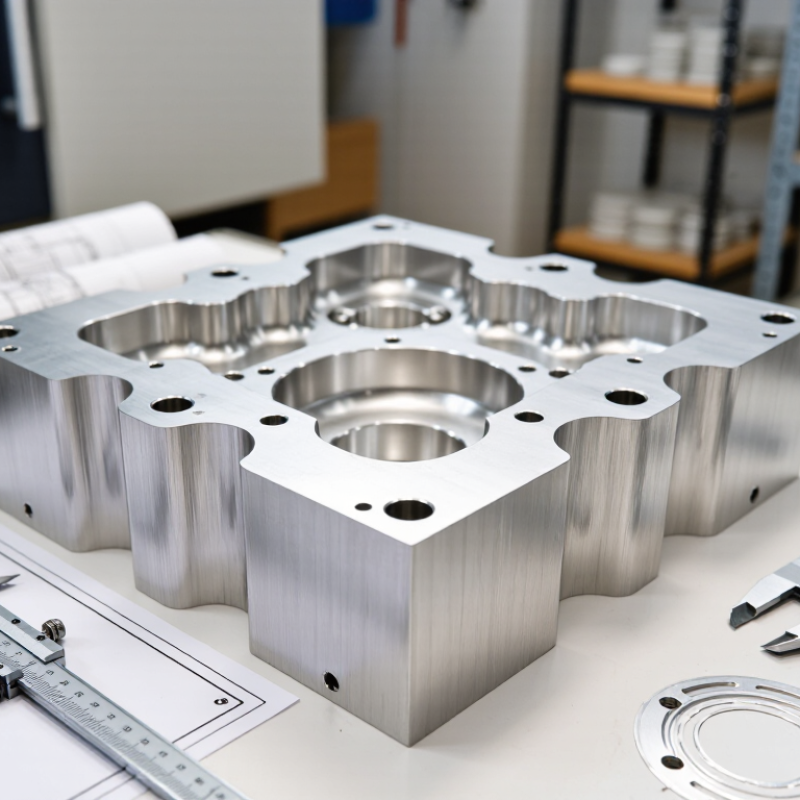
Look closely at practical evidence. A well-finished aluminum surface should feel consistent under a gloved hand, while vents should be clean and deliberate—not rough grooves left by rushed machining. Ask how the supplier handles adjustments after the first forming trial. This is where promises meet production.

A low quote can be tempting. Still, unclear tolerances or limited after-sales support may cost more later. No checklist can remove every risk, and supplier claims deserve verification. This guide examines the questions buyers can ask when evaluating China’s Thermoforming Molds suppliers, from tooling capability to communication and quality control.
China Best Thermoforming Molds Supplier?

What Thermoforming Molds Are and How They Shape Plastic Products

A thermoforming mold is the tool that gives heated plastic sheet its shape. The sheet softens, then vacuum or air pressure pulls it against the mold surface. After cooling, the formed part is trimmed. The process sounds simple. Small details matter. Vent placement, draft angles, and surface finish affect how cleanly a part forms and releases. Even a shallow groove can trap air or complicate trimming.

Molds may be made from aluminum for production runs, while lower-cost materials can suit prototypes or limited quantities. The right choice depends on part geometry, output volume, and the required surface quality. A thin packaging tray and a thick equipment cover place very different demands on mold design. One overlooked issue is cooling: uneven temperature can distort a part, even when its shape looks correct in the tool. A CAD model alone cannot settle every practical question.

Market data offers useful context, but not a substitute for engineering judgment. Grand View Research estimated the global thermoforming plastics market at USD 48.6 billion in 2023 and projected a 5.5% compound annual growth rate from 2024 to 2030. That broader market figure does not measure mold performance. Design reviews can still overvalue a smooth digital surface; actual sheet behavior and trimming needs deserve equal attention. A careful supplier should explain those trade-offs clearly.

Key Criteria for Evaluating Thermoforming Mold Suppliers in China

China Best Thermoforming Molds Supplier?

Choosing a thermoforming mold supplier in China starts with the part, not the sales brochure. Share the material, sheet thickness, annual volume, and critical dimensions before requesting a quote. A supplier should explain how mold material, cooling channels, venting, and surface finish suit your production conditions. Ask for drawings and tolerance notes. Specifics matter.

Review evidence from comparable projects while protecting confidential details. Request sample parts, inspection records, and a clear account of how trial changes are handled. During a site visit or video call, look for machining equipment, measuring tools, clean assembly areas, and documented quality checks. Ask who owns design revisions and how spare inserts are supported. Response speed helps, but technical answers matter more. A low price can hide thin tooling, unclear scope, or limited after-sales support. Compare quotations line by line: mold-life assumptions, included trials, shipping protection, and acceptance criteria. No checklist is perfect. Get these details in writing.

China Best Thermoforming Molds Supplier? - Key Criteria for Evaluating Thermoforming Mold Suppliers in China
Evaluation Criterion Weight What to Evaluate Evidence to Request Suggested Scoring Guide
Relevant Mold Experience 15% Experience with the intended process, part geometry, material, mold size, and production volume. Examples of comparable projects, anonymized part or mold images, and references where available. Score higher when the supplier can demonstrate relevant, technically similar work.
Engineering and Design Capability 15% Ability to review part drawings, advise on draft and wall thickness, and design forming, trimming, cooling, and venting features. Design review workflow, sample design-for-manufacturing feedback, and 3D mold drawings for approval. Score higher for documented design reviews and clear approval checkpoints before machining.
Material and Tooling Specification 12% Suitability of the specified mold material, construction, surface finish, and any coatings for the application. Material grade and supplier documentation, mold drawings, surface-finish requirements, and maintenance recommendations. Score higher when specifications are explicit, traceable, and matched to the intended process and service conditions.
Manufacturing and Inspection Capability 15% Availability of suitable machining, finishing, assembly, and dimensional inspection for the mold’s requirements. Process plan, inspection equipment list, sample inspection report, and critical-dimension measurement method. Score higher when inspection methods and acceptance criteria are agreed before production.
Prototype, Sampling, and Acceptance Process 12% How the supplier conducts mold trials, evaluates formed parts, records issues, and manages corrective actions. Trial plan, sample-part inspection results, defect records, and a written mold acceptance checklist. Score higher for a defined sampling process with measurable acceptance criteria and documented corrective actions.
Quality Management and Traceability 10% Control of drawings, revisions, production records, nonconforming work, and final inspection. Quality procedures, sample inspection records, document-control practices, and any relevant third-party certificates for verification. Score higher when records are consistent, traceable, and available for the specific order.
Communication and Project Management 8% Clarity and consistency in technical communication, milestone reporting, and management of design changes. Project schedule, named technical contact, meeting or reporting cadence, and change-control process. Score higher for prompt, specific responses and documented ownership of project milestones.
Lead Time and Delivery Planning 5% Realistic timing for design approval, tooling manufacture, sampling, revisions, and shipment. Milestone-based schedule, stated assumptions, packaging plan, and contingency arrangements. Score higher for a detailed schedule that identifies dependencies and separates trial time from manufacturing time.
After-Sales Support and Mold Maintenance 5% Availability of troubleshooting, repair, spare parts, and maintenance guidance after delivery. Written support terms, maintenance instructions, spare-parts recommendations, and response process for issues. Score higher when support scope, response expectations, and responsibility boundaries are clearly stated.
Total Evaluation Weight 100% Use the weights as a starting point and adjust them to match the mold complexity, production risk, and project priorities. Score each criterion consistently, for example from 1 (insufficient evidence) to 5 (strong, verified evidence).

Materials, Design, and Production Capabilities to Compare

When comparing a China-based thermoforming mold supplier, look beyond the quotation and inspect the tooling plan. Aluminum molds suit many production runs because they conduct heat well and are readily machined; prototype boards can help test shapes before committing to metal. Details matter. Ask how the supplier controls wall thickness, draft angles, vent placement, and cooling. A shallow vent may leave trapped air, while uneven cooling can distort a formed part.

Production capability should be visible in the process, not just claimed. Request mold-flow or forming simulations where appropriate, dimensional inspection records, and a documented trial run using your actual sheet material. Ask for proof. Check whether CNC machining, polishing, and mold repair are handled in-house, and confirm how design changes affect lead time. A glossy CAD render is useful, but it cannot prove that a mold releases cleanly on the production line.

Material efficiency also deserves attention. The OECD’s Global Plastics Outlook (2022) reported that global plastics production reached 460 million tonnes in 2019, while only 9% of plastic waste was recycled. Those figures do not measure thermoforming molds specifically, but they underline why scrap reduction and repeatable forming matter. Compare suppliers on measured sample results, not promises alone. I would still treat any quoted cycle-time improvement cautiously until it is verified in a production trial.

China Best Thermoforming Molds Supplier? — Materials, Design, and Production Capabilities to Compare

Typical thermal conductivity of common thermoforming mold materials. Higher conductivity can help transfer heat more quickly, while actual performance depends on the specific alloy or tooling material and mold design.

Approximate representative values; material grades and formulations vary. Use supplier datasheets to verify values for a specific mold.

How to Verify Supplier Quality, Compliance, and Reliability

Choosing a thermoforming mold supplier takes more than comparing prices and delivery dates. Ask how the supplier controls mold design, machining, and inspection. Request material certificates and traceability records for key components. Small details matter.

Review a recent dimensional inspection report, then compare its measurements with your drawing tolerances. Ask to see mold trials, including sample parts and notes on cycle time, wall thickness, and visible defects. A good supplier can explain how issues were corrected, not just show polished samples. If possible, visit the workshop and observe machining equipment, mold storage, and maintenance records. A neat report can still miss problems on the production floor.

Check whether compliance documents match your product and its destination market. Requirements vary, so confirm the applicable standards with your internal compliance team rather than relying on a supplier’s general claim. Reliability also depends on practical support: spare-part availability, response times, and a named contact for urgent technical questions. Ask for references from customers with similar mold sizes or production volumes. No checklist catches everything. I would still treat one successful trial as evidence, not a guarantee, and agree on clear acceptance criteria before placing an order.

Choosing a Supplier for Your Project’s Budget and Production Needs

When comparing thermoforming mold suppliers, match the tooling design to your planned output, not just the lowest quote. A prototype mold for 500 trays has different needs from a production tool running several shifts. Ask what the price includes: design review, sample runs, cooling channels, surface finish, and adjustments after the first test. Small details matter. A low initial cost can become expensive if trim lines wander or cycle times remain slow.

Share realistic production data before requesting estimates. Include part dimensions, resin type, wall thickness, annual volume, target cycle time, and machine platen limits. Ask about expected mold life, maintenance needs, and lead time for spare inserts. Specific answers are useful. Vague promises are not. If your forecast may change, ask whether the tool can support additional cavities later and what that upgrade would cost. It may not suit every project.

Review sample parts under actual forming conditions, not only in polished photos. Check corner thinning, flange consistency, release, and trimming accuracy. Request a written acceptance plan with measurable tolerances and clear responsibility for corrections. A capable supplier should explain trade-offs plainly, including when aluminum may suit short runs and when steel may offer better durability. Keep a buffer in the schedule: pilot runs can reveal an issue nobody predicted. That happens, but it should be documented. Include shipping and installation support in the budget, since a mold that cannot be mounted is not ready for production.