For support and service of your machinery, Stiles has experts available 24/7 to help reduce downtime and get you back in action.
Technical Support: 616-698-6615
Service & Repairs: 616-698-7500
24/7 Parts: 1-800-727-8780
sale@inlandmachineokc.com
Parts are available from Stiles 24 hours a day, seven days a week, and are shipped from our Grand Rapids, Michigan fulfillment center.
24/7 Parts: 800-727-8780

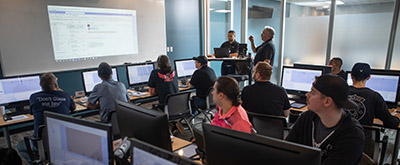
With a customized Stiles University course, we can provide expert training for your team, on-location. Whether it's programming, operation or maintenance, we want to help you train your personnel to meet your production goals efficiently and effectively.

Experience the trusted workforce development training and machinery knowledge you rely on from Stiles University, now at your convenience. With technology changing every day and new methods being developed constantly, Stiles University Online has the latest information and training content available at your fingertips.
616-698-7500

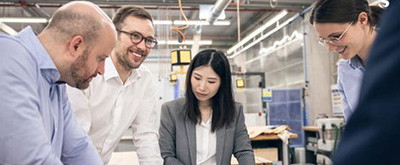
Do you want to produce more efficiently? Processes and flows are key. We optimize these together with you, re-organize them and make sure that you reduce your lead time and save costs. This enables you to implement customized manufacturing and achieve your business goals.

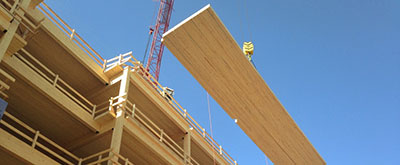
Industrialized construction is evolving. Automation, robotics and advanced technology are raising the level of productivity, efficiency and precision for builders in North America.

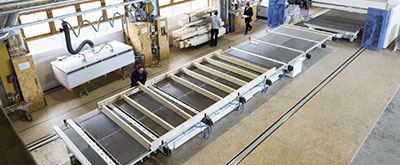
Stiles Machinery is at the forefront of providing technology and machining for producing high quality mass timber. Automated solutions for your mass timber production can increase your manufacturing quality and productivity.

Project management services from Stiles make it easy to streamline your entire project— from concept and consultation to integration and implementation.
For support and service of your machinery, Stiles has experts available 24/7 to help reduce downtime and get you back in action.
Technical Support: 616-698-6615
Service & Repairs: 616-698-7500
24/7 Parts: 1-800-727-8780
sale@inlandmachineokc.com
Parts are available from Stiles 24 hours a day, seven days a week, and are shipped from our Grand Rapids, Michigan fulfillment center.
24/7 Parts: 800-727-8780

With a customized Stiles University course, we can provide expert training for your team, on-location. Whether it's programming, operation or maintenance, we want to help you train your personnel to meet your production goals efficiently and effectively.

Experience the trusted workforce development training and machinery knowledge you rely on from Stiles University, now at your convenience. With technology changing every day and new methods being developed constantly, Stiles University Online has the latest information and training content available at your fingertips.
616-698-7500

Do you want to produce more efficiently? Processes and flows are key. We optimize these together with you, re-organize them and make sure that you reduce your lead time and save costs. This enables you to implement customized manufacturing and achieve your business goals.

Industrialized construction is evolving. Automation, robotics and advanced technology are raising the level of productivity, efficiency and precision for builders in North America.

Stiles Machinery is at the forefront of providing technology and machining for producing high quality mass timber. Automated solutions for your mass timber production can increase your manufacturing quality and productivity.

Project management services from Stiles make it easy to streamline your entire project— from concept and consultation to integration and implementation.
For support and service of your machinery, Stiles has experts available 24/7 to help reduce downtime and get you back in action.
Technical Support: 616-698-6615 Service & Repairs: 616-698-7500 24/7 Parts: 1-800-727-8780
Parts are available from Stiles 24 hours a day, seven days a week, and are shipped from our Grand Rapids, Michigan fulfillment center.
24/7 Parts: 800-727-8780For support and service of your machinery, Stiles has experts available 24/7 to help reduce downtime and get you back in action.
Technical Support: 616-698-6615 Service & Repairs: 616-698-7500 24/7 Parts: 1-800-727-8780
Parts are available from Stiles 24 hours a day, seven days a week, and are shipped from our Grand Rapids, Michigan fulfillment center.
24/7 Parts: 800-727-8780Choosing a biogas purification system is not just a matter of comparing equipment prices. Raw biogas can vary in methane content, moisture, hydrogen sulfide, and other contaminants. Those differences affect gas quality, equipment life, and operating costs. Bio Gas Purification systems may use membrane separation, pressure swing adsorption, water scrubbing, or chemical absorption. Some plants also need dedicated media or filters to manage hydrogen sulfide and siloxanes. Small details matter. A wet feed, for example, can increase maintenance needs if pretreatment is inadequate.
This guide introduces leading system types and the practical questions global buyers can ask suppliers. Compare feed capacity, methane recovery, outlet specifications, energy and water use, footprint, and maintenance requirements. Ask for performance data based on feed gas similar to your own, not only ideal test conditions. Request clear information on replacement media, commissioning, operator training, and local service support. These details can shape long-term performance as much as the separator itself.
There is no universal winner. A compact membrane package may suit one site, while a larger facility may favor another process. Site utilities, feed consistency, product use, and available technical support all matter. Even a polished specification sheet cannot settle every uncertainty. Buyers should verify assumptions and leave room for actual operating conditions to differ. That part is easy to overlook.
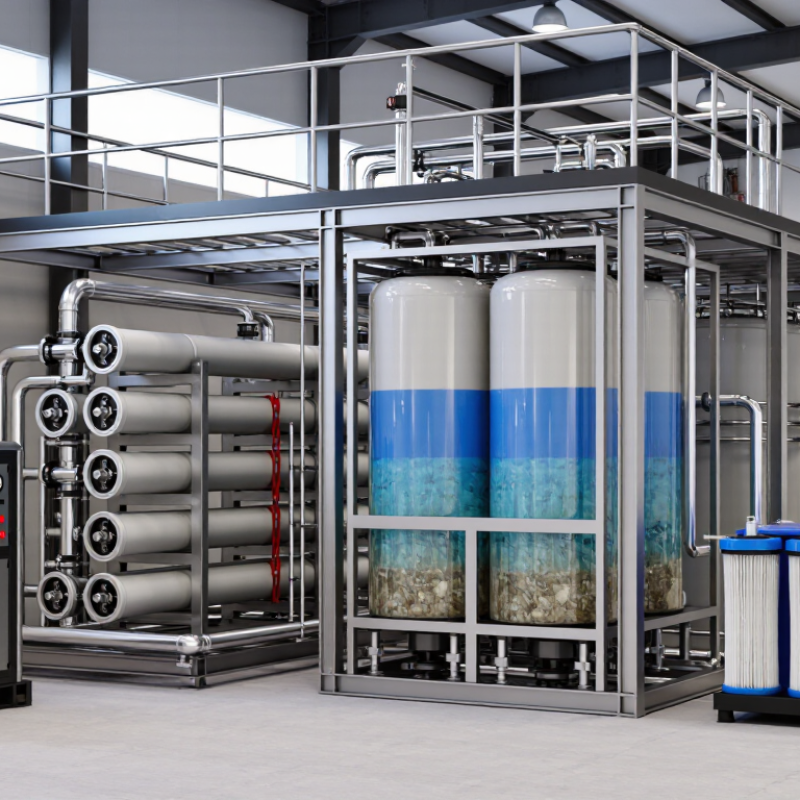
Biogas purification removes contaminants that can corrode equipment, reduce fuel value, or prevent gas from meeting its intended use. Raw biogas commonly contains methane and carbon dioxide, with varying amounts of hydrogen sulfide, water vapor, siloxanes, and other trace compounds. The exact mix depends on feedstock and plant operation. It can change after a wet week.
A typical system cools and dries the gas, then removes hydrogen sulfide and other contaminants using processes selected for the gas composition. Carbon dioxide removal may follow when biomethane with a higher methane concentration is required. Operators check gas samples and instrument readings rather than relying on a single design assumption. Small leaks or exhausted media can shift results quickly.
Key output standards are use-specific. Pipeline injection requirements may set limits for methane content, carbon dioxide, hydrogen sulfide, oxygen, moisture, pressure, and heating value. Vehicle fuel specifications often add controls for siloxanes and other trace contaminants. There is no single set of numbers suitable for every destination; buyers should confirm the receiving network’s current limits before choosing equipment. Ask for guaranteed outlet values under stated feed-gas conditions, plus a sampling plan. Paper specifications look tidy. Real operating data matters more.
Biogas purification is a treatment train, not a single machine. Raw gas often contains water vapor, hydrogen sulfide, carbon dioxide, and trace siloxanes. Each contaminant needs a suitable control step. Cooling and condensate traps remove much of the moisture. Iron-based media, activated carbon, or biological scrubbers can reduce hydrogen sulfide. The right option depends on gas flow, sulfur levels, and maintenance capacity.
To increase methane concentration, systems commonly separate carbon dioxide through water scrubbing, pressure swing adsorption, membranes, or amine absorption. Water scrubbing dissolves carbon dioxide into water; pressure swing adsorption uses materials that capture gases under changing pressure. Membranes separate components at different rates, while amine systems absorb carbon dioxide and require heat for regeneration. No route wins everywhere. Energy use, water availability, operating skill, and methane losses all matter.
Good design begins with a representative gas analysis and the required outlet quality. A facility with variable feed gas may need more flexible controls than a steady operation. Operators should track pressure, moisture, hydrogen sulfide, and methane in the outgoing gas. A small pilot test can reveal practical issues that a neat process diagram misses. It is not a perfect safeguard, but it can prevent costly surprises.
How Leading Purification Systems Differ in Performance and Use
Water scrubbing suits steady, medium-to-large plants with reliable water supply. It removes carbon dioxide and some hydrogen sulfide, but needs water management. Pressure swing adsorption uses adsorbent beds and avoids continuous water use. However, methane losses can rise if the system is poorly tuned. Membrane units are compact and modular, making them practical where space is tight. Multi-stage designs can improve gas quality, but add equipment and controls. Amine systems can achieve high methane purity, though they need heat for solvent regeneration.
The IEA’s 2020 Outlook for Biogas and Biomethane estimates global sustainable biogas and biomethane potential at about 1,000 billion cubic metres annually. That potential does not make every purification system suitable for every site. Feedstock changes, gas flow, power prices, and required outlet quality all affect operating performance. Real plants are messier than brochures suggest. A small leak or variable feed can shift the economics.
Tips: Test raw gas across seasons before choosing equipment. Ask suppliers for measured methane recovery, energy use, and maintenance needs under similar operating conditions. Compare full operating costs, not just purchase prices.
A purification system should match the gas coming out of the digester, not just its rated capacity. Manure, food waste, and agricultural residues can produce different levels of hydrogen sulfide, moisture, and other trace compounds. Ask for feed-gas data across seasons, since a single laboratory sample may miss real operating swings. Small changes matter.
Those impurities influence equipment choice and maintenance. A membrane unit, water scrubber, or pressure-swing adsorption system may suit different conditions, but no option fits every project. Check what pretreatment is required, how often filters or media need replacement, and whether operators can handle the routine work. Get expected methane recovery and methane-slip figures in writing, with the measurement conditions stated.
Regulations shape the final design. Grid injection may require specific gas-quality limits, while vehicle fuel or on-site use can have different specifications. Confirm local requirements early, including monitoring and emissions reporting. Project scale matters just as much: a compact plant may value simple controls and modular expansion, while a larger facility may prioritize continuous uptime and service access. Walk the proposed layout. Can a technician reach valves safely? Small details are easy to overlook, and estimates can look cleaner than a muddy site in winter. Ask suppliers to explain assumptions behind energy use, availability, and lifecycle costs.
Biogas purification systems should be compared by the gas they receive, not by headline removal rates. Feed composition changes with season, digester loading, and temperature. A site handling wet gas with hydrogen sulfide may need different pretreatment than one processing a dry, steady stream. Small details matter. Ask suppliers for performance data at your expected methane flow and contaminant levels.
Purchase price is only one part of total cost. Include compressors, media replacement, water treatment, electricity, labor, and planned downtime in the estimate. Record expected consumables per operating hour, then compare those figures with service access and delivery times. A cheaper unit can become costly when replacement media arrives late. Yet forecasts are imperfect.
Operational reliability depends on practical controls as much as process design. Operators need clear alarms, safe sampling points, and simple procedures for draining condensate or changing filters. Request references from facilities with similar gas quality, and review operating records across several seasons. Check whether the system can maintain output during routine maintenance or requires a backup path. No system runs untouched. Allow time and budget for sensor calibration, corrosion checks, and gradual performance drift; these are easy to underestimate.
| Purification technology | Typical product-gas quality | Typical methane recovery | Energy and operating needs | Relative cost profile | Reliability and maintenance considerations | Common fit and limitations |
|---|---|---|---|---|---|---|
| Membrane separation | Often about 96–99 vol% methane in the product gas, depending on staging and operating conditions. | Commonly about 96–99% with suitable process design and recycle. | Electricity for compression; indicative upgrading demand is often around 0.20–0.35 kWh per Nm³ of raw biogas. Feed gas needs effective drying and contaminant control. | Moderate capital cost; operating costs are influenced by electricity, membrane replacement, and pretreatment. | Modular with relatively few moving parts. Membrane life and performance depend on avoiding oil, moisture, particulates, and other damaging contaminants. | A flexible option for many small-to-large projects. Product quality and methane slip depend on system configuration and gas composition. |
| Pressure swing adsorption (PSA) | Often about 96–98 vol% methane; final quality depends on the adsorbent, cycle design, and feed-gas preparation. | Commonly about 96–99% when off-gas handling and process control are properly designed. | Electricity is used for compression and cyclic operation; indicative demand is often around 0.20–0.35 kWh per Nm³ of raw biogas. Feed gas generally requires drying and H₂S removal. | Moderate capital and operating costs; economics depend on scale, compression, adsorbent life, and off-gas treatment. | Automated cyclic operation can provide consistent output. Valves and adsorbent beds need monitoring; contaminants can reduce adsorbent performance. | Suitable where a dry, well-pretreated feed is available. Methane in the off-gas may need recovery or treatment to limit losses. |
| Water scrubbing | Often about 95–99 vol% methane, depending on pressure, water flow, and process configuration. | Commonly about 96–99%; recovery is affected by dissolved methane and gas-recovery design. | Electricity is required for compression and water circulation; indicative demand is often around 0.20–0.50 kWh per Nm³ of raw biogas. Water treatment or recirculation is required. | Moderate capital cost; operating costs include electricity, water management, and equipment upkeep. | A mature process with established operating practice. Pumps, compressors, water quality, and scaling or corrosion require routine attention. | Can remove CO₂ and some water-soluble impurities. H₂S management and water handling should be included in the plant design. |
| Chemical absorption (amine) | Often about 97–99+ vol% methane, subject to process design and feed-gas conditions. | Can exceed 99% in appropriately designed systems with effective off-gas management. | Typically lower electrical demand than some compression-intensive options, but solvent regeneration requires heat. Heat source and temperature affect total energy use. | Higher equipment and process complexity; economics can improve when low-cost waste heat is available. | Can provide stable, high-purity gas when operated correctly. Solvent condition, corrosion control, heat integration, and emissions management require attention. | Often considered for larger plants or sites with usable heat. Solvent handling and thermal demand must be assessed over the project life. |
| Cryogenic upgrading | Can produce high-methane gas; achievable quality depends on process configuration and feed-gas composition. | Potentially high, but depends on plant design, operating conditions, and recovery of methane from separated streams. | Requires refrigeration and compression. Feed gas needs careful drying and contaminant removal to prevent freezing and equipment problems. | Generally higher capital and engineering complexity than common upgrading methods; project economics are strongly scale-dependent. | Specialized equipment and controls require skilled operations and maintenance. Reliability depends on robust pretreatment and process monitoring. | May be attractive where gas liquefaction or recovery of additional gas components is valuable; often less straightforward for smaller installations. |
Comparison note: Performance and cost figures are indicative engineering ranges, not guaranteed specifications. Actual results depend on feed-gas composition, plant scale, pretreatment, local energy prices, product-gas requirements, and the handling of off-gas. H₂S, moisture, siloxanes, and particulates may require dedicated pretreatment; gas-grid or vehicle-fuel specifications vary by jurisdiction.