
-
-
-
-
-
-

With a customized Stiles University course, we can provide expert training for your team, on-location. Whether it's programming, operation or maintenance, we want to help you train your personnel to meet your production goals efficiently and effectively.
-

Experience the trusted workforce development training and machinery knowledge you rely on from Stiles University, now at your convenience. With technology changing every day and new methods being developed constantly, Stiles University Online has the latest information and training content available at your fingertips.
-
-
-

Do you want to produce more efficiently? Processes and flows are key. We optimize these together with you, re-organize them and make sure that you reduce your lead time and save costs. This enables you to implement customized manufacturing and achieve your business goals.
-
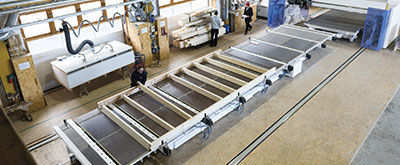
Industrialized construction is evolving. Automation, robotics and advanced technology are raising the level of productivity, efficiency and precision for builders in North America.
-
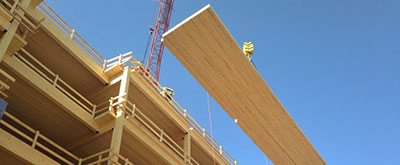
Stiles Machinery is at the forefront of providing technology and machining for producing high quality mass timber. Automated solutions for your mass timber production can increase your manufacturing quality and productivity.
-

Project management services from Stiles make it easy to streamline your entire project— from concept and consultation to integration and implementation.
-


-
-
-
-
-
-
With a customized Stiles University course, we can provide expert training for your team, on-location. Whether it's programming, operation or maintenance, we want to help you train your personnel to meet your production goals efficiently and effectively.
-
Experience the trusted workforce development training and machinery knowledge you rely on from Stiles University, now at your convenience. With technology changing every day and new methods being developed constantly, Stiles University Online has the latest information and training content available at your fingertips.
-
-
-
Do you want to produce more efficiently? Processes and flows are key. We optimize these together with you, re-organize them and make sure that you reduce your lead time and save costs. This enables you to implement customized manufacturing and achieve your business goals.
-
Industrialized construction is evolving. Automation, robotics and advanced technology are raising the level of productivity, efficiency and precision for builders in North America.
-
Stiles Machinery is at the forefront of providing technology and machining for producing high quality mass timber. Automated solutions for your mass timber production can increase your manufacturing quality and productivity.
-
Project management services from Stiles make it easy to streamline your entire project— from concept and consultation to integration and implementation.
-
The 10 Best Woodworking Machinery Tools You Need for Your Workshop
In the realm of woodworking, having the right machinery is essential for both beginners and seasoned professionals. As woodworking machinery expert David Marks once said, "The right tools can turn an ordinary piece of wood into a work of art." This underscores the importance of selecting the best tools for your workshop, not only to enhance creativity but also to improve efficiency and precision in woodworking projects.
The landscape of woodworking machinery offers a plethora of options, each serving a specific purpose. From saws that slice through lumber with ease to planers that create smooth surfaces, the choice of tools can significantly impact the quality and outcome of your creations. As you set up your workshop, understanding which machinery is essential can lead to a transformative experience, allowing both amateurs and experts alike to push the boundaries of their craft.
In this guide, we will explore the ten best woodworking machinery tools that every workshop should consider. These tools not only streamline processes but also elevate the craftsmanship that goes into every wooden piece. Join us as we delve into a selection that promises to equip your workshop with the tools needed to bring your woodworking visions to life.
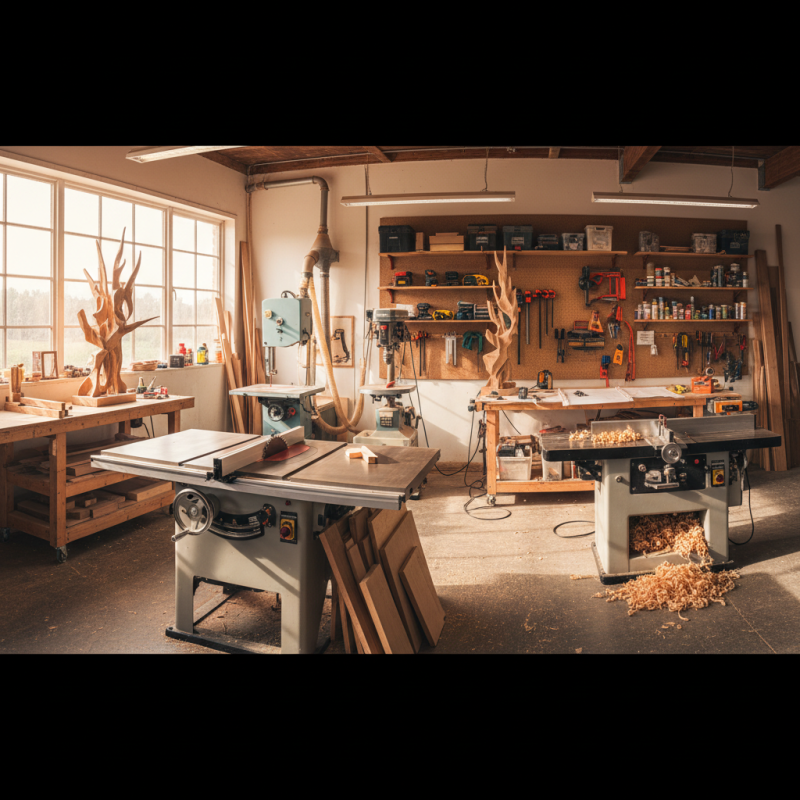
Essential Woodworking Machinery for Every Workshop
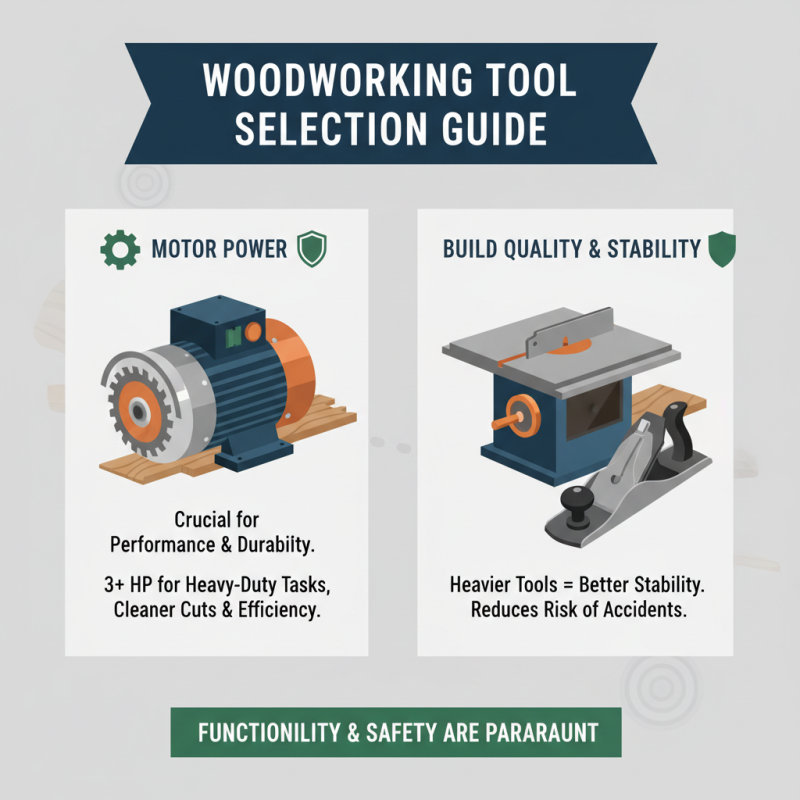
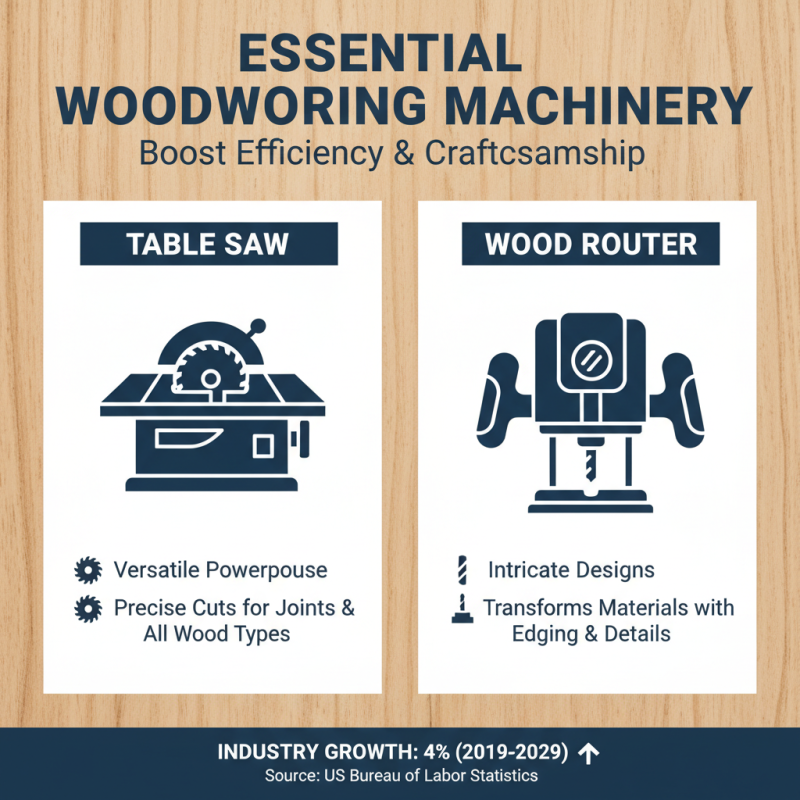
In any woodworking workshop, certain machinery tools stand out as essential for achieving precision and efficiency. According to a report by the Woodworking Machinery Manufacturers of America (WMMA), the use of advanced woodworking machinery can enhance productivity by up to 30%, significantly reducing labor time while improving the quality of the finished products. The most crucial tools include table saws, band saws, and jointers, which provide the foundational capabilities for cutting, shaping, and joining wood effectively.
Furthermore, investing in modern woodworking machinery not only boosts efficiency but also promotes safety in the workshop. Statistics show that shops equipped with proper machinery and safety features have reported a decrease in workplace injuries by nearly 40%. Tools such as dust collectors and router tables help mitigate health risks associated with wood dust and improve the overall working environment. As woodworking continues to evolve, equipping workshops with these essential machines is paramount for both hobbyists and professionals looking to create high-quality pieces with greater ease and safety.
Related Posts
-
2025 Top 10 Woodworking Machinery Innovations You Can't Miss
-
The Ultimate Guide to Choosing the Best Sanding Machine for Your DIY Projects
-

Top 10 Small CNC Machines for Precision Engineering in 2023
-
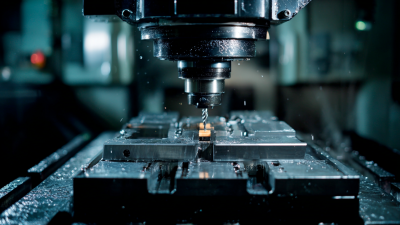
Exploring the Future of Manufacturing: How CNC Machines are Revolutionizing Production Techniques
-
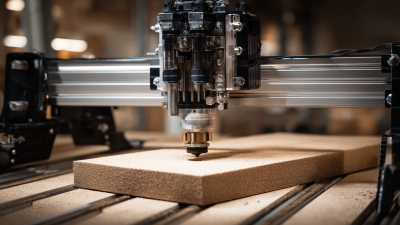
Exploring the Amazing World of CNC Routers for DIY Enthusiasts
-
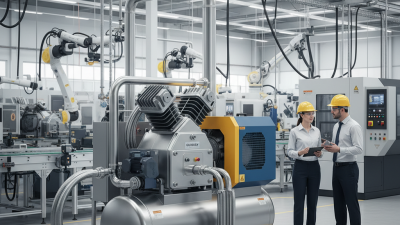
Why Choose a Rotary Screw Air Compressor for Your Industrial Needs?