
-
-
-
-
-
-

With a customized Stiles University course, we can provide expert training for your team, on-location. Whether it's programming, operation or maintenance, we want to help you train your personnel to meet your production goals efficiently and effectively.
-

Experience the trusted workforce development training and machinery knowledge you rely on from Stiles University, now at your convenience. With technology changing every day and new methods being developed constantly, Stiles University Online has the latest information and training content available at your fingertips.
-
-
-

Do you want to produce more efficiently? Processes and flows are key. We optimize these together with you, re-organize them and make sure that you reduce your lead time and save costs. This enables you to implement customized manufacturing and achieve your business goals.
-

Industrialized construction is evolving. Automation, robotics and advanced technology are raising the level of productivity, efficiency and precision for builders in North America.
-

Stiles Machinery is at the forefront of providing technology and machining for producing high quality mass timber. Automated solutions for your mass timber production can increase your manufacturing quality and productivity.
-

Project management services from Stiles make it easy to streamline your entire project— from concept and consultation to integration and implementation.
-



-
-
-
-
-
-
With a customized Stiles University course, we can provide expert training for your team, on-location. Whether it's programming, operation or maintenance, we want to help you train your personnel to meet your production goals efficiently and effectively.
-
Experience the trusted workforce development training and machinery knowledge you rely on from Stiles University, now at your convenience. With technology changing every day and new methods being developed constantly, Stiles University Online has the latest information and training content available at your fingertips.
-
-
-
Do you want to produce more efficiently? Processes and flows are key. We optimize these together with you, re-organize them and make sure that you reduce your lead time and save costs. This enables you to implement customized manufacturing and achieve your business goals.
-
Industrialized construction is evolving. Automation, robotics and advanced technology are raising the level of productivity, efficiency and precision for builders in North America.
-
Stiles Machinery is at the forefront of providing technology and machining for producing high quality mass timber. Automated solutions for your mass timber production can increase your manufacturing quality and productivity.
-
Project management services from Stiles make it easy to streamline your entire project— from concept and consultation to integration and implementation.
-
Best Stacking Machine Options for Efficient Operations?
In today’s fast-paced industrial landscape, the efficiency of operations hinges on effective equipment. One crucial tool that stands out is the Stacking Machine. Experts agree that these machines can dramatically enhance productivity in various sectors. John Smith, a renowned expert in manufacturing technologies, once stated, “The right stacking machine can redefine the boundaries of operational efficiency.”
Stacking Machines streamline processes by efficiently managing materials. They reduce manual labor and minimize human error, saving time and costs. Industries such as warehousing, manufacturing, and logistics rely heavily on these devices for improved workflow. However, not all stacking machines are created equal. Companies often face challenges in selecting the most suitable model for their specific needs.
Accessibility and ease of use can vary significantly. It is important to assess the features of different machines. Maintenance and reliability warrant attention as well. Some machines may promise speed but require frequent repairs, impacting operations. Making informed decisions is essential for optimal performance. Adopting a Stacking Machine is a step towards achieving superior efficiency in operations, but reflection and careful consideration are necessary in this choice.
Types of Stacking Machines for Diverse Applications
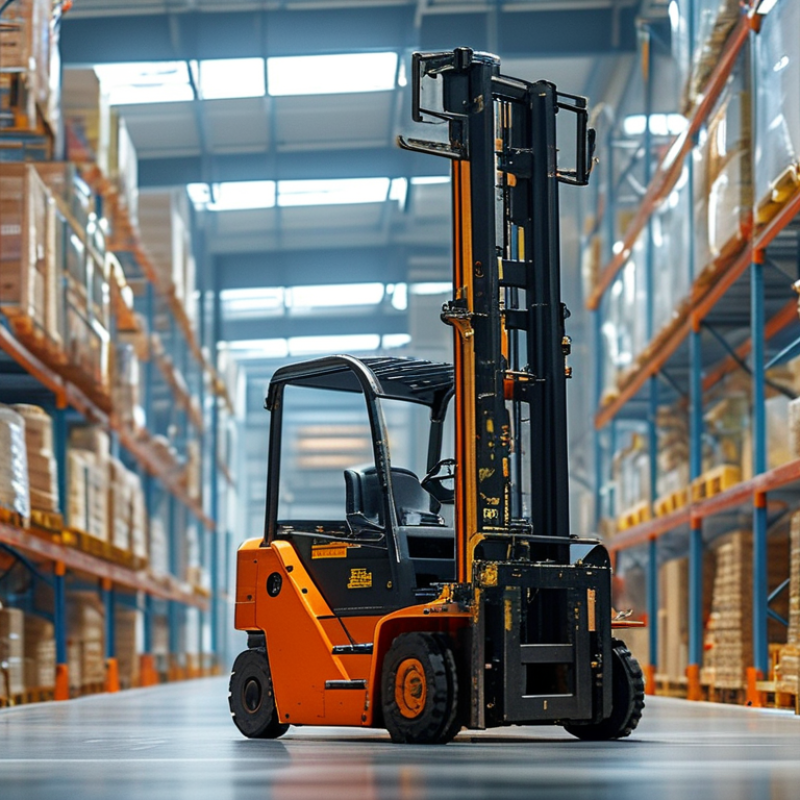
When considering stacking machines, various types cater to specific needs. Each type plays a vital role in enhancing efficiency across diverse applications. For instance, automatic stackers streamline operations in warehouses, allowing for faster pallet movements. They function with precision, minimizing human error and increasing productivity.
In manufacturing settings, robotic stackers stand out. They can handle various materials and adjust to different production demands. Their flexibility makes them ideal for industries that require adaptability. However, these machines sometimes face limitations with complex layouts or bulkier items, necessitating careful planning during installation.
Semi-automatic stackers are another popular choice. They provide a balance between manual and automated processes. Operators can easily control the stacking while benefiting from assisted lifting. Users often find these machines less intimidating than fully automated versions. However, operators should receive adequate training to maximize their effectiveness. Each option has its strengths and weaknesses, and assessing your specific operational requirements is crucial.