
-
-
-
-
-
-

With a customized Stiles University course, we can provide expert training for your team, on-location. Whether it's programming, operation or maintenance, we want to help you train your personnel to meet your production goals efficiently and effectively.
-

Experience the trusted workforce development training and machinery knowledge you rely on from Stiles University, now at your convenience. With technology changing every day and new methods being developed constantly, Stiles University Online has the latest information and training content available at your fingertips.
-
-
-

Do you want to produce more efficiently? Processes and flows are key. We optimize these together with you, re-organize them and make sure that you reduce your lead time and save costs. This enables you to implement customized manufacturing and achieve your business goals.
-

Industrialized construction is evolving. Automation, robotics and advanced technology are raising the level of productivity, efficiency and precision for builders in North America.
-

Stiles Machinery is at the forefront of providing technology and machining for producing high quality mass timber. Automated solutions for your mass timber production can increase your manufacturing quality and productivity.
-

Project management services from Stiles make it easy to streamline your entire project— from concept and consultation to integration and implementation.
-



-
-
-
-
-
-
With a customized Stiles University course, we can provide expert training for your team, on-location. Whether it's programming, operation or maintenance, we want to help you train your personnel to meet your production goals efficiently and effectively.
-
Experience the trusted workforce development training and machinery knowledge you rely on from Stiles University, now at your convenience. With technology changing every day and new methods being developed constantly, Stiles University Online has the latest information and training content available at your fingertips.
-
-
-
Do you want to produce more efficiently? Processes and flows are key. We optimize these together with you, re-organize them and make sure that you reduce your lead time and save costs. This enables you to implement customized manufacturing and achieve your business goals.
-
Industrialized construction is evolving. Automation, robotics and advanced technology are raising the level of productivity, efficiency and precision for builders in North America.
-
Stiles Machinery is at the forefront of providing technology and machining for producing high quality mass timber. Automated solutions for your mass timber production can increase your manufacturing quality and productivity.
-
Project management services from Stiles make it easy to streamline your entire project— from concept and consultation to integration and implementation.
-
Best Sewer Pipe Cleaning Equipment to Optimize Your Workflow?
In the ever-evolving landscape of plumbing, optimizing workflow is crucial. The effectiveness of sewer pipe cleaning equipment directly impacts efficiency and service quality. A recent survey by the National Association of Sewer Contractors highlighted that 70% of professionals rely on top-tier cleaning tools for performance. Industry expert Dr. Robert Finnegan once said, “Investing in the best equipment is not just about cost; it’s about ensuring longevity and reliability.”
Pipe blockages can occur in any system, leading to costly repairs. High-quality cleaning equipment not only resolves these issues swiftly but also minimizes downtime. However, many practitioners overlook regular maintenance of their tools. This oversight can lead to inefficiencies and increased operational hazards. Proper insight into equipment choices and practices can bridge this gap.
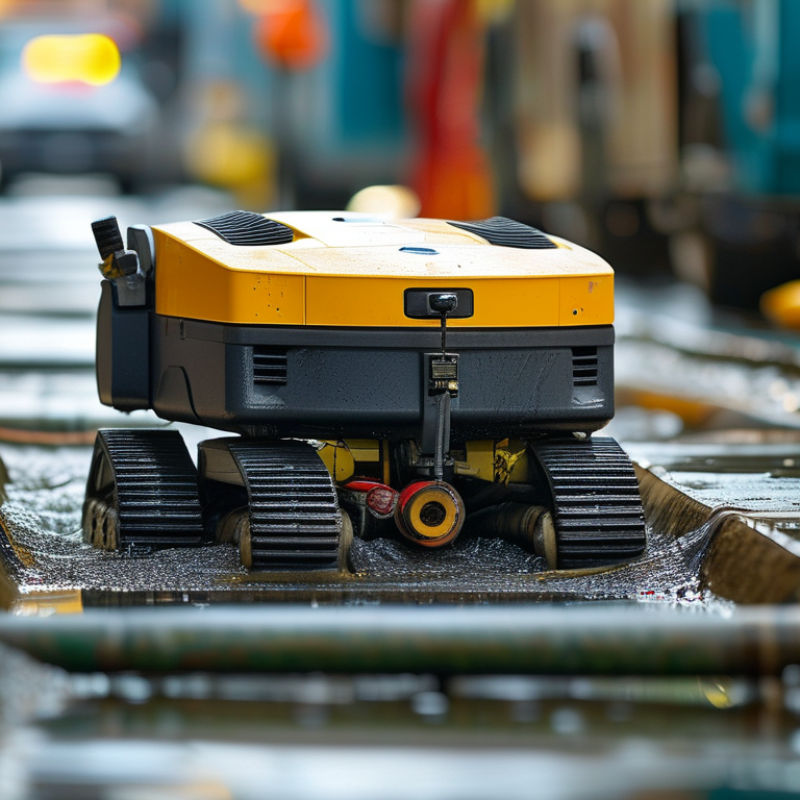
Staying informed is vital. Trends indicate that advancements in technology are reshaping the Sewer Pipe Cleaning Equipment sector. Innovations such as robotic systems and advanced drain cameras enhance capabilities significantly. Yet, ensuring proper training and understanding of these tools remains a challenge for many professionals. Investing thoughtfully in sewer cleaning solutions fosters reliability and enhances service.
Factors to Consider When Selecting Sewer Pipe Cleaning Equipment
When selecting sewer pipe cleaning equipment, several factors play a crucial role. Understanding the specific needs of your workflow is essential. Think about the size of pipes you typically work on. Equipment must effectively handle various diameters and lengths for optimal performance. Addressing this versatility can save time and effort.
Another important consideration is the type of materials being removed. Grease, roots, or scale build-up each present unique challenges. Not all machines are designed to tackle every obstacle. Choose equipment wisely based on prevalent issues in your service area.
Also, consider the equipment's ease of use. Complex setups can lead to wasted time and frustration. Operators should feel comfortable with the tools at hand. Ensure proper training is available for the crew. Reflecting on past experiences with different machines can guide better choices. This attention to detail ultimately impacts productivity and efficiency in sewer maintenance.