
-
-
-
-
-
-

With a customized Stiles University course, we can provide expert training for your team, on-location. Whether it's programming, operation or maintenance, we want to help you train your personnel to meet your production goals efficiently and effectively.
-

Experience the trusted workforce development training and machinery knowledge you rely on from Stiles University, now at your convenience. With technology changing every day and new methods being developed constantly, Stiles University Online has the latest information and training content available at your fingertips.
-
-
-

Do you want to produce more efficiently? Processes and flows are key. We optimize these together with you, re-organize them and make sure that you reduce your lead time and save costs. This enables you to implement customized manufacturing and achieve your business goals.
-

Industrialized construction is evolving. Automation, robotics and advanced technology are raising the level of productivity, efficiency and precision for builders in North America.
-

Stiles Machinery is at the forefront of providing technology and machining for producing high quality mass timber. Automated solutions for your mass timber production can increase your manufacturing quality and productivity.
-

Project management services from Stiles make it easy to streamline your entire project— from concept and consultation to integration and implementation.
-



-
-
-
-
-
-
With a customized Stiles University course, we can provide expert training for your team, on-location. Whether it's programming, operation or maintenance, we want to help you train your personnel to meet your production goals efficiently and effectively.
-
Experience the trusted workforce development training and machinery knowledge you rely on from Stiles University, now at your convenience. With technology changing every day and new methods being developed constantly, Stiles University Online has the latest information and training content available at your fingertips.
-
-
-
Do you want to produce more efficiently? Processes and flows are key. We optimize these together with you, re-organize them and make sure that you reduce your lead time and save costs. This enables you to implement customized manufacturing and achieve your business goals.
-
Industrialized construction is evolving. Automation, robotics and advanced technology are raising the level of productivity, efficiency and precision for builders in North America.
-
Stiles Machinery is at the forefront of providing technology and machining for producing high quality mass timber. Automated solutions for your mass timber production can increase your manufacturing quality and productivity.
-
Project management services from Stiles make it easy to streamline your entire project— from concept and consultation to integration and implementation.
-
Best Pocket Filter Media Options for Effective Filtration?
In the realm of air filtration, the choice of pocket filter media is crucial. Experts like Dr. Emily Tran, a leading authority in filtration technology, emphasize, “The right filter media can dramatically reduce airborne contaminants.” This statement highlights the importance of selecting quality materials for effective air purification.
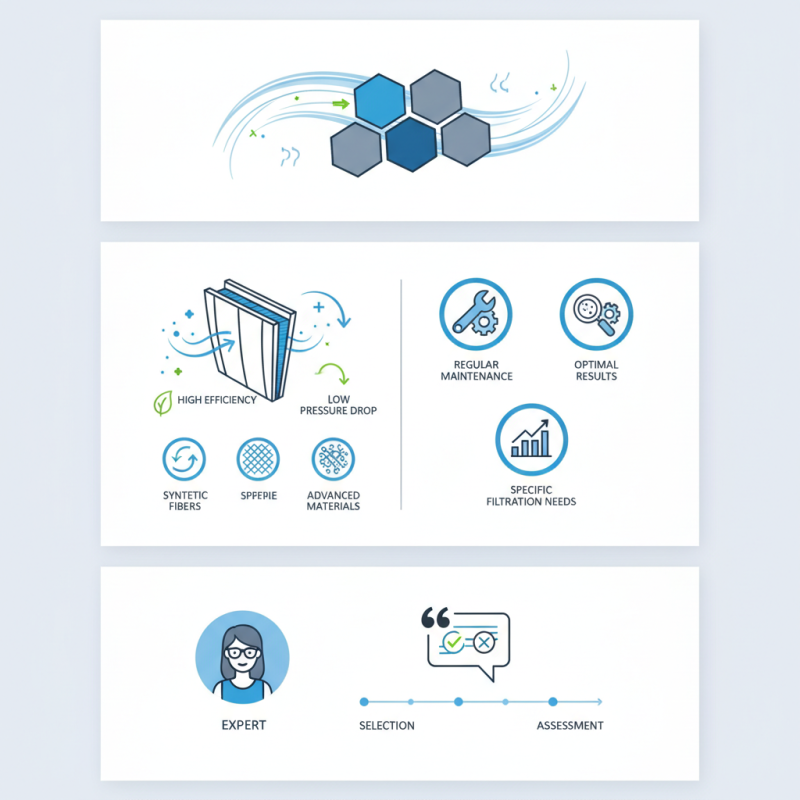
pocket filter media is designed for high efficiency and low pressure drop. The variety of options available can seem overwhelming. Each type of media serves specific filtration needs. Advanced materials such as synthetic fibers offer exceptional performance. However, improper choices can lead to inefficiencies and increased operational costs.
Even with advanced technologies, some challenges remain. Not every filter media meets all filtration requirements. Users often overlook the importance of regular maintenance. As Dr. Tran notes, “Even the best media will fail if not managed correctly.” This insight serves as a reminder for industry professionals to continually assess their filtration systems for optimal results.
Overview of Pocket Filter Media Types
Pocket filter media come in various types, each designed for specific filtration needs. Commonly used materials include synthetic fibers, fiberglass, and pleated media. Synthetic fibers are popular because of their durability and efficiency in capturing particles. Studies reveal that synthetic options can effectively remove up to 85% of airborne contaminants.
Pleated media increases the surface area for filtration, enhancing performance. This design allows for higher airflow while maintaining low resistance. Reports indicate that pleated pocket filters can last longer than traditional flat filters, translating to fewer replacements and lower costs over time.
However, not all pocket filter media are created equal. Some materials may not perform well in high-humidity environments. Others can become less effective when overloaded with pollutants. It's crucial to choose the right type based on the specific application and environment to avoid costly mistakes and ensure optimal air quality. Understanding the strengths and weaknesses of each type will guide users in making informed decisions.
Best Pocket Filter Media Options for Effective Filtration
| Filter Media Type | Efficiency (% Removing Particles) | Airflow Resistance (Pa) | Typical Usage |
|---|---|---|---|
| Synthetic Fiber | 85-95% | 150-250 | HVAC Systems |
| Microglass | 90-99% | 200-300 | Industrial Applications |
| Polyester | 80-90% | 100-150 | Commercial Buildings |
| Activated Carbon | 70-90% | 50-100 | Odor Removal |
| HEPA | 99.97% | 300-500 | Hospitals, Clean Rooms |